
Sourcing Guide
How to Source Activated Carbon for Water Treatment Plants
We help water treatment plants source the right activated carbon every week. This article covers GAC vs PAC selection for different plant types, the specs that actually matter, how to vet suppliers, and what to expect on pricing and lead times when buying from China.
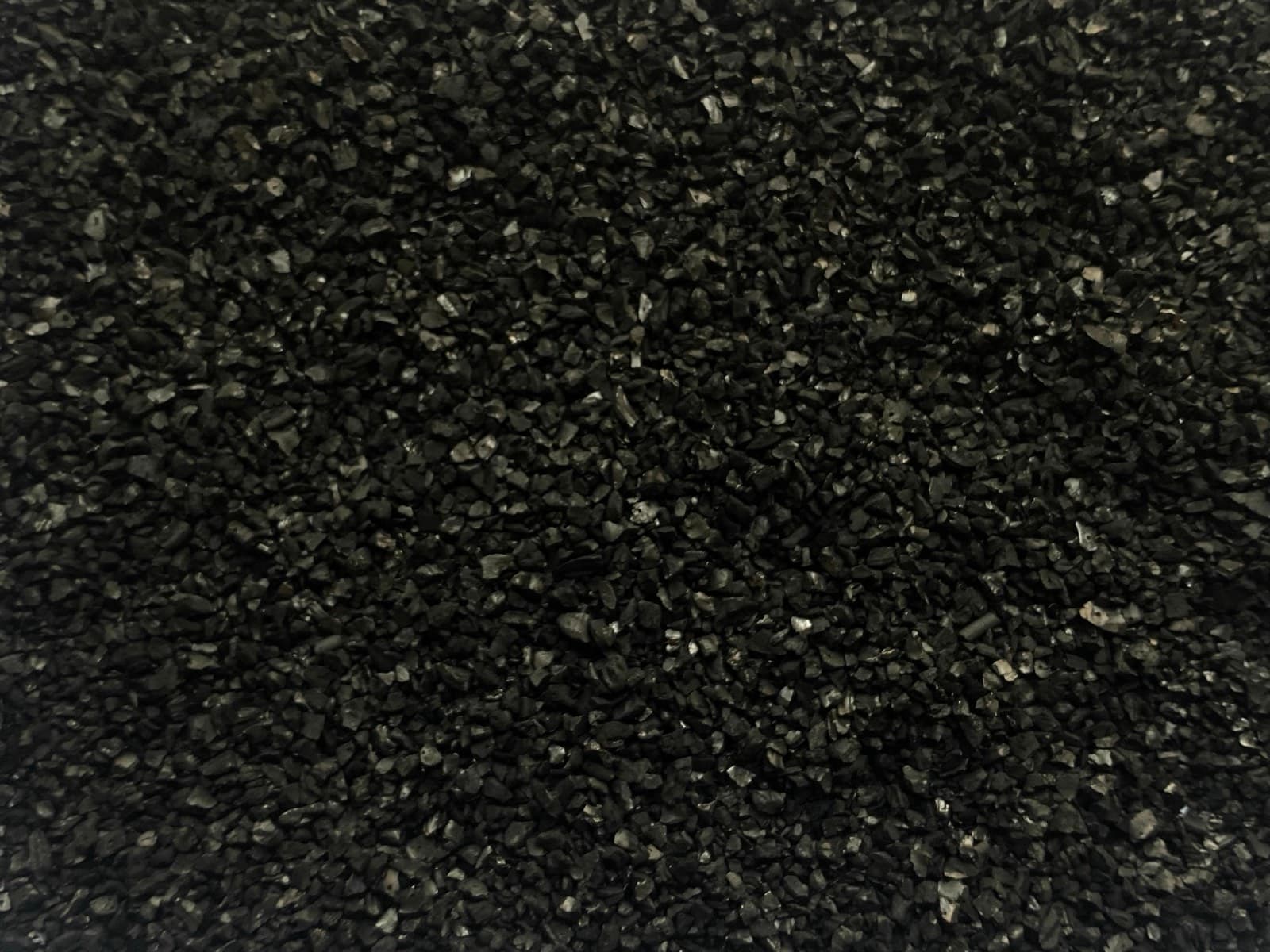
Quick Reference: GAC vs PAC for Water Treatment Plants
| Factor | GAC (Granular) | PAC (Powdered) |
|---|---|---|
| Best for | Continuous filtration, municipal drinking water, PFAS | Seasonal dosing, emergency response, batch treatment |
| Typical mesh size | 8×30 or 12×40 | 200 mesh (80% pass) |
| Iodine number | 900–1100 mg/g | 800–1000 mg/g |
| Price range (FOB China) | $800–$2,200/ton | $600–$1,200/ton |
| MOQ | 20 MT (1×20ft FCL) | 20 MT (1×20ft FCL) |
| Regenerable? | Yes (5–7 cycles typical) | No (single-use) |
1. GAC or PAC — Which Does Your Plant Need?
The choice comes down to your plant's treatment process and what you're removing. If you run fixed-bed filters and need consistent, year-round contaminant removal — that's GAC territory. If you're dealing with seasonal taste-and-odor events or need to dose into an existing clarifier — PAC is the practical choice.
Many plants use both. We see municipal utilities running GAC contactors for baseline treatment and keeping PAC on hand for algal bloom season or emergency spills. For a deeper comparison, our GAC vs PAC guide breaks down the economics.
2. Key Specs for Municipal vs Industrial Use
Not every spec on a data sheet matters equally. Here are the ones we tell buyers to focus on:
- Iodine number (800–1200 mg/g) — measures micropore adsorption capacity. For drinking water, aim for 1000+ mg/g. Industrial wastewater can work fine at 800–900.
- Mesh size — 12×40 is the standard for drinking water GAC beds. 8×30 gives better flow rates in larger industrial vessels. For PAC, 200 mesh with 80%+ passing is typical.
- Ash content (<5%) — lower is better, especially for drinking water. High ash means more impurities leaching into treated water. Our coconut shell carbons typically run 2–3% ash.
- Hardness (>95%) — critical for GAC in backwashed systems. Low hardness means carbon breaks down, creates fines, and clogs filters.
- Moisture (<5%) — you're paying per ton. Excess moisture is dead weight.
Certification note
For municipal drinking water in the US, NSF/ANSI 61 certification is required in most states. In Europe, look for EN 12915 compliance. We carry NSF 61 certification on our coconut shell and coal-based GAC lines — if you need certified product, ask us for the specific grades.
3. How to Evaluate Suppliers
We've been on both sides of supplier audits. Here's what separates a reliable activated carbon supplier from one that'll cause you headaches:
- Request third-party lab reports — not just the supplier's in-house COA. Any reputable manufacturer will have SGS, Intertek, or equivalent testing available. Our supplier audit checklist covers what to ask for.
- Check production consistency — ask for COAs from 3–5 different production batches. Consistent iodine number and ash content across batches tells you the manufacturer has process control.
- Verify certifications — ISO 9001 is baseline. For drinking water, NSF/ANSI 61 is non-negotiable in most markets. Ask for the certificate, not just a claim.
- Order samples first — run your own bench tests or jar tests before committing to a container load. Any supplier who won't send samples isn't worth your time.
- Ask about export history — a manufacturer who regularly ships to your region understands the logistics, documentation, and compliance requirements.
If you need help matching specs to your plant's requirements, our application engineers can review your water quality data and recommend the right grade. Just send us your parameters — we do this daily.
4. Why Source from China?
China produces over half the world's activated carbon. For water treatment buyers, that translates to real advantages: pricing runs 20–40% below Western manufacturers for equivalent quality, production capacity is large enough to handle recurring orders without supply gaps, and the range of raw materials — coconut shell, bituminous coal, anthracite, wood — means you can source almost any grade from one region.
The trade-off is due diligence. Not every Chinese manufacturer holds the certifications or quality consistency that water treatment plants require. That's why the evaluation steps above matter. For a full breakdown of pricing factors, see our activated carbon price guide.
5. MOQ, Lead Times & Logistics
Here's what to expect when ordering activated carbon for a water treatment project:
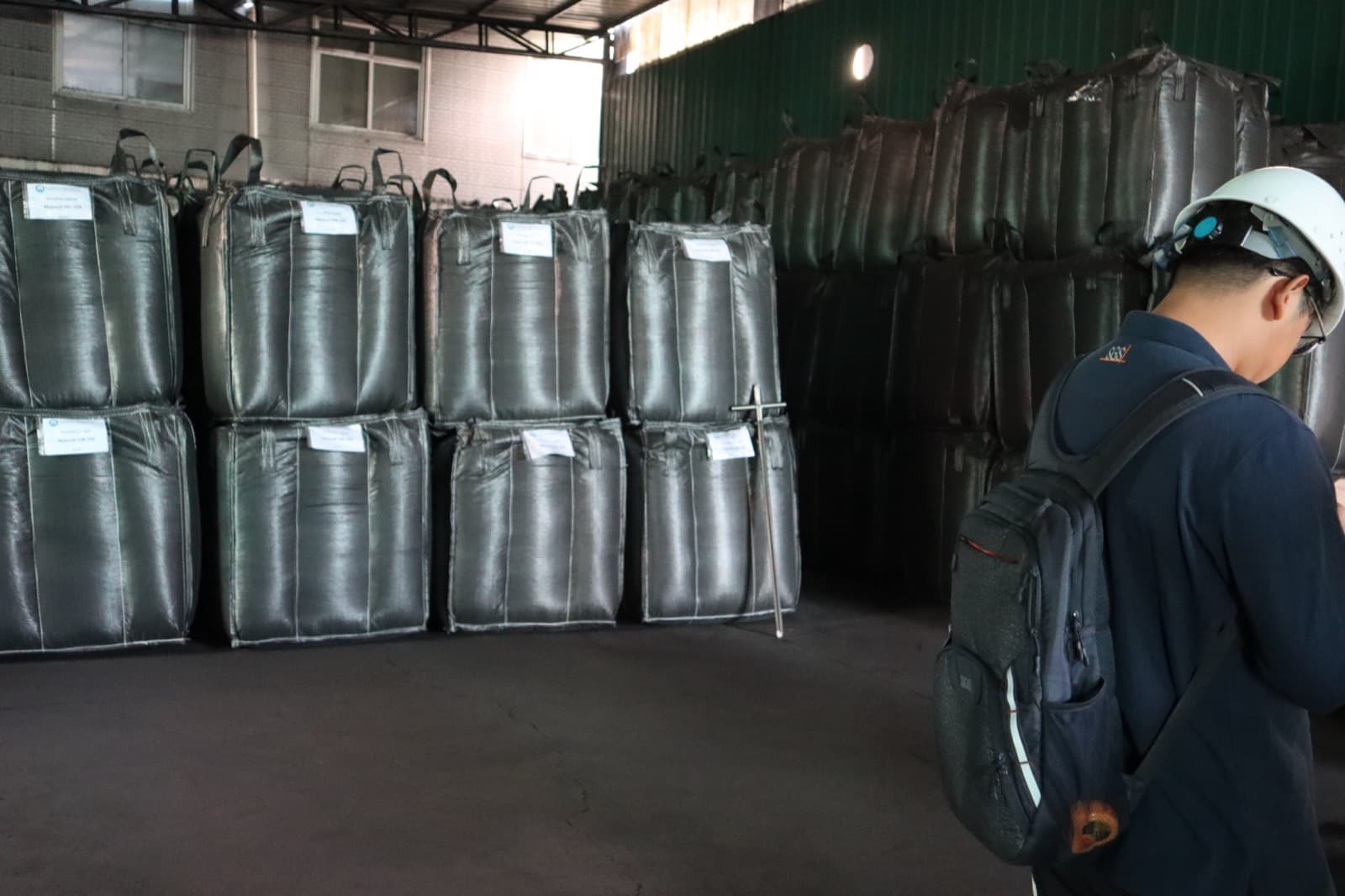
- Minimum order — 1 full container load (FCL). A 20ft container holds ~20 MT, a 40ft container holds 24–26 MT. Some suppliers offer LCL for trial orders, but the per-ton cost is higher.
- Production lead time — 2–4 weeks from order confirmation. Custom specs (specific mesh cuts, impregnation, special packaging) may add a week.
- Shipping — ocean freight from Chinese ports to the US West Coast runs 2–3 weeks. East Coast or Europe is 4–6 weeks. Factor in customs clearance time for your country.
- Payment terms — first orders are typically 30% deposit, 70% against B/L copy. Established relationships can move to LC or open account terms.
For large municipal projects with recurring needs, we set up annual supply agreements with fixed pricing and scheduled shipments. This locks in your cost and avoids the scramble of spot buying. Our dosage calculator can help you estimate annual consumption so you know what volume to commit to.
6. Working Directly with a Manufacturer
Buying through distributors adds a margin and a communication layer. For water treatment plants ordering container quantities, going direct to the manufacturer has clear benefits: you get technical support from the people who actually make the product, custom specs are easier to arrange, and pricing is better.
What to look for in a manufacturer partner: in-house lab with ASTM testing capability, willingness to run pilot samples to your spec, a dedicated export team that handles documentation (COA, MSDS, phytosanitary certificates), and consistent batch-to-batch quality. We've written a detailed water treatment carbon selection guide that covers the technical side in more depth.
Frequently Asked Questions
What specs should I look for when sourcing activated carbon for a water treatment plant?
Key specs include iodine number (800–1200 mg/g depending on application), mesh size (8×30 or 12×40 for GAC, 200+ mesh for PAC), ash content (under 5% for drinking water), moisture under 5%, and hardness above 95% for GAC. For drinking water, NSF/ANSI 61 certification is typically required.
Should I use GAC or PAC for my water treatment plant?
GAC is best for continuous filtration in fixed-bed systems — municipal drinking water, PFAS removal, and industrial process water. PAC works better for seasonal contamination, emergency dosing, and plants with existing sedimentation infrastructure. Many plants use both: GAC for baseline treatment and PAC for peak events.
What are the advantages of sourcing activated carbon from China?
China produces over 50% of the world's activated carbon. Advantages include 20–40% lower pricing versus Western manufacturers, large production capacity for consistent supply, a wide range of raw materials (coconut shell, coal, wood), and established export logistics. The key is selecting a manufacturer with proper certifications (ISO 9001, NSF/ANSI 61) and a track record of exporting to your region.
What is the typical MOQ and lead time for activated carbon orders?
Most manufacturers require a minimum order of 1 full container load (FCL) — roughly 20 metric tons in a 20ft container or 24–26 tons in a 40ft container. Lead time is typically 2–4 weeks for production plus 2–6 weeks for ocean freight depending on destination. For first orders, allow extra time for sample testing and quality approval.
How do I evaluate an activated carbon supplier for water treatment?
Request third-party lab test reports (not just in-house COAs), ask for NSF/ANSI 61 certification if supplying drinking water plants, visit the factory or request a video tour, check export history and references in your region, and order samples for your own bench testing before committing to bulk orders.
Need Activated Carbon for Your Water Treatment Plant?
We supply GAC and PAC to municipal and industrial water treatment plants in 50+ countries. Tell us your application, water quality parameters, and volume — we'll recommend the right grade and send you a quote with samples.
Get a QuoteReady to Source Activated Carbon?
Get competitive FOB pricing from our factory. Full certifications (NSF-61, ISO 9001, Halal, Kosher). Samples available.