
Tanzania · East Africa · Factory Direct
Activated Carbon Supplier in Tanzania
Gold mining, mine tailings water treatment, municipal drinking water, and industrial VOC control. Factory-direct activated carbon shipped to Dar es Salaam — 30 to 40 days total lead time. COA, SGS inspection, and full export documentation as standard.
Dar es Salaam · Mwanza · Geita · Shinyanga · Dodoma
What We Supply to Tanzania
Tanzania’s activated carbon demand spans four distinct sectors — each with different grade requirements and procurement dynamics.
⛏️ Gold Mining — CIL & CIP
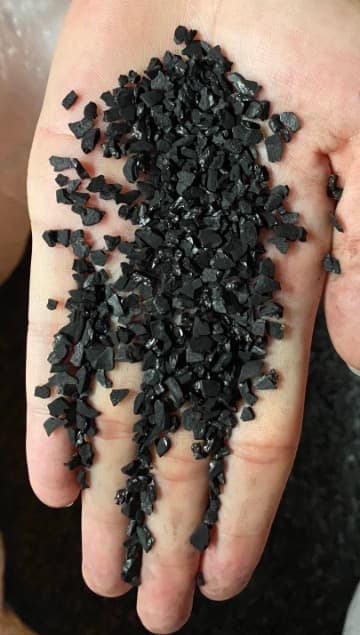
Lake Victoria's greenstone belt hosts Tanzania's major gold operations: Geita, Bulyanhulu, North Mara. CIL/CIP circuits need high-hardness coconut shell 6×12 with consistent kinetics. Our grade maintains >30 mg/g gold loading across full adsorption trains.
Coconut Shell 6×12 · Iodine ≥1050 · Hardness ≥98.5% →Details →
🚰 Mine Water & Tailings Treatment
Tailings and mine process water carry cyanide, heavy metals, and suspended organics that must be treated before discharge. GAC polishing is standard in the effluent treatment circuits downstream of Tanzania's CIL plants.
Coal GAC 8×30 · Iodine ≥900 · Effluent Grade →Details →
🏘️ Municipal & Rural Drinking Water
Tanzania's rural water access programs and urban utilities use GAC filtration for dechlorination, organics removal, and taste/odour control. NGO and bilateral-funded projects regularly procure carbon for community water systems — smaller lot sizes, reliable COA documentation required.
Coal GAC 8×30 or 12×40 · Iodine ≥950 · Potable Grade →Details →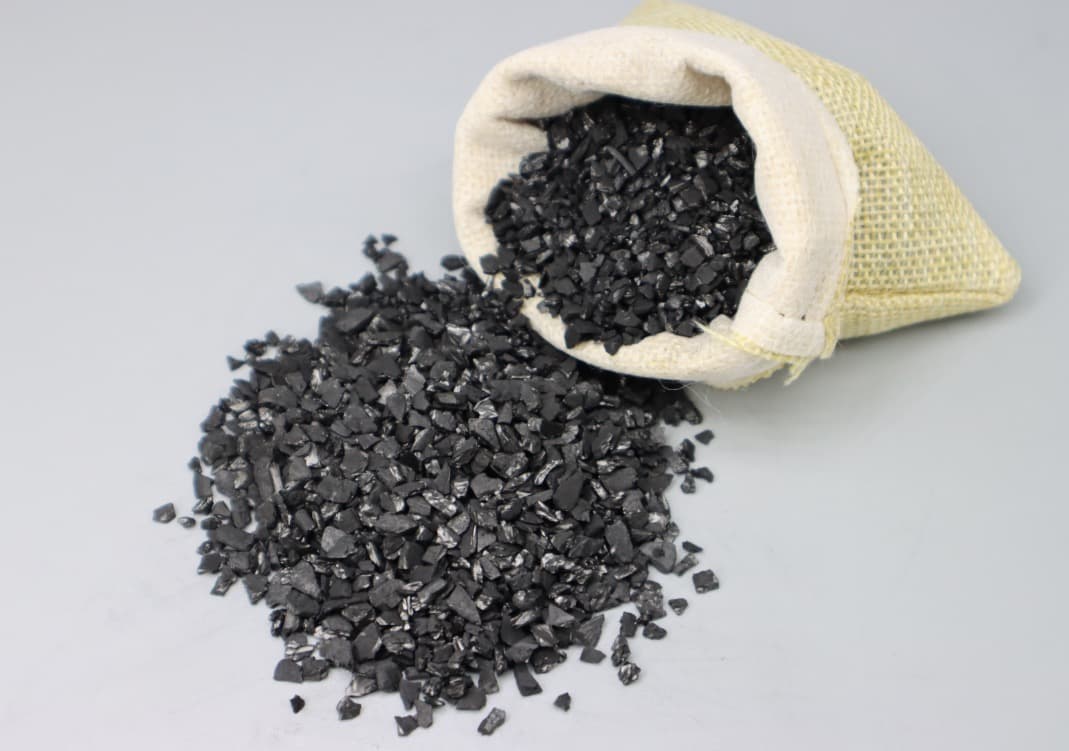
🏭 Industrial VOC & Solvent Recovery
Manufacturing facilities, food processing, and textile operations in Dar es Salaam's industrial zones require air-phase GAC for solvent recovery and VOC emission control. Granular and pellet grades for fixed-bed air purification systems.
Coal GAC 4×8 or Pellet 4 mm · CTC ≥60% →Details →Core Specifications for Tanzania
Two grades cover the majority of Tanzania demand. Full TDS, COA and A.A.R.L. attrition reports available on request.
Coconut Shell 6×12 — Gold Grade
CIL / CIP / elution · Geita · Bulyanhulu · North Mara
| Mesh size | 6×12 | CIL/CIP standard — screens cleanly in agitated tanks |
| Iodine number | ≥1050 mg/g | High activity for Lake Victoria greenstone circuits |
| Ball-pan hardness | ≥98.5% | Minimises fines carry-out; critical for multi-stage trains |
| Gold loading | >30 mg/g | Fast kinetics for high-throughput CIL operations |
| CTC activity | ≥55% | Rapid initial gold uptake ahead of competing organics |
| Ash content | <3% | Cleaner elution, lower reactivation ash |
Coal GAC 8×30 — Water Grade
Municipal, mine effluent, NGO water projects
| Mesh size | 8×30 or 12×40 | Fixed-bed filters and municipal contactors |
| Iodine number | ≥950 mg/g | Chlorine, THM and organics removal |
| Hardness | ≥95% | Long bed life for infrequent change-out cycles |
| Ash content | ≤8% | Low leaching for potable water applications |
| Moisture | <5% | Consistent bulk density for vessel commissioning |
Dar es Salaam Delivery & Documentation
Full export documentation — Tanzanian customs, mining permits, and NGO funder requirements all need different paperwork, and we’ve handled all three.
30–40 Days Total
7–10 days production + 20–25 days Ningbo→Dar. Inland to Mwanza/Geita adds 2–4 days.
Full Docs Package
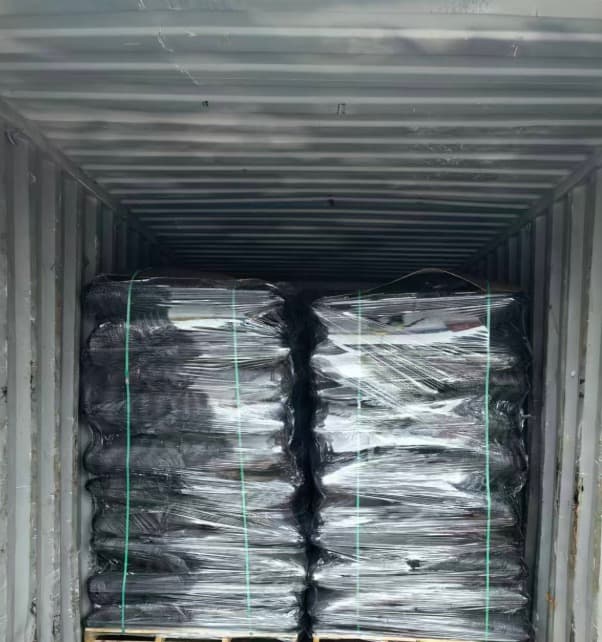
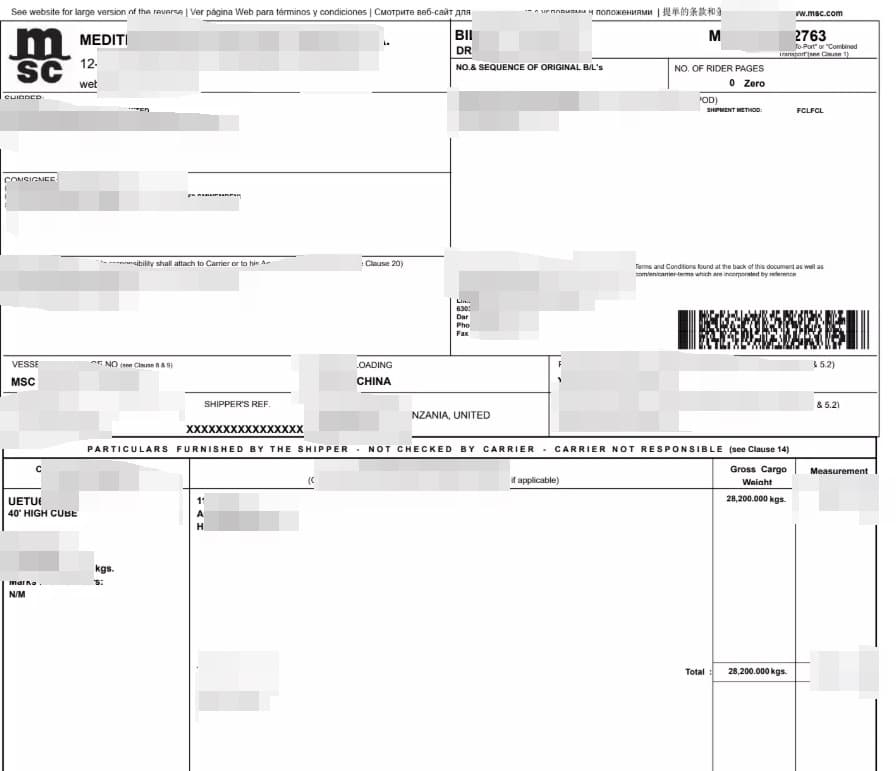
COA, packing list, B/L, phytosanitary certificate. SGS/BV inspection on request.
Flexible Lots
1 ton minimum (NGO/trial). Container FCL 18–20T for mines. Jumbo or 25 kg bags.
Trade Terms
FOB, CIF, CFR to Dar es Salaam. T/T or L/C. 60–90 day advance order recommended.
Request a Quote
Get Tanzania Activated Carbon Pricing — Factory Direct
Tell us your application (gold circuit, mine water, municipal, industrial), grade requirements, and volume. We reply with factory price and COA within 24 hours.
Tanzania Supplier FAQ
What carbon do you recommend for CIL gold plants at Geita or Bulyanhulu?
Coconut shell 6×12, iodine ≥1050 mg/g, ball-pan hardness ≥98.5%, gold loading >30 mg/g. Lake Victoria greenstone ore contains some naturally carbonaceous material that competes with activated carbon for dissolved gold — high hardness and activity give your carbon the kinetic edge. We have a published case study on this grade specifically for Tanzania.
Can you supply carbon for mine effluent treatment as well as the CIL circuit?
Yes. Mine effluent polishing uses a different grade: coal GAC 8×30 for fixed-bed adsorption of residual cyanide, heavy metals, and organics before discharge. We typically supply both grades in the same container to save shipping cost — specify volumes for each application when requesting a quote.
How long does shipping take from China to Dar es Salaam?
Sea transit from Ningbo or Shanghai is 20–25 days to Dar es Salaam. Total lead time including production is 30–40 days. Inland trucking to Geita, Mwanza, or Shinyanga adds 2–4 days. Plan orders 60–90 days ahead of your scheduled change-out.
Do you supply small lots for NGO water projects?
Yes. We supply from 1 ton upward. NGO and bilateral-funded water projects typically need 1–5 tons with detailed COA documentation for funder reporting. We provide COA, packing list, and phytosanitary certificate as standard. Potable-grade coal GAC 8×30 or 12×40 with ash ≤8%.
Can we benchmark your carbon before a full container order?
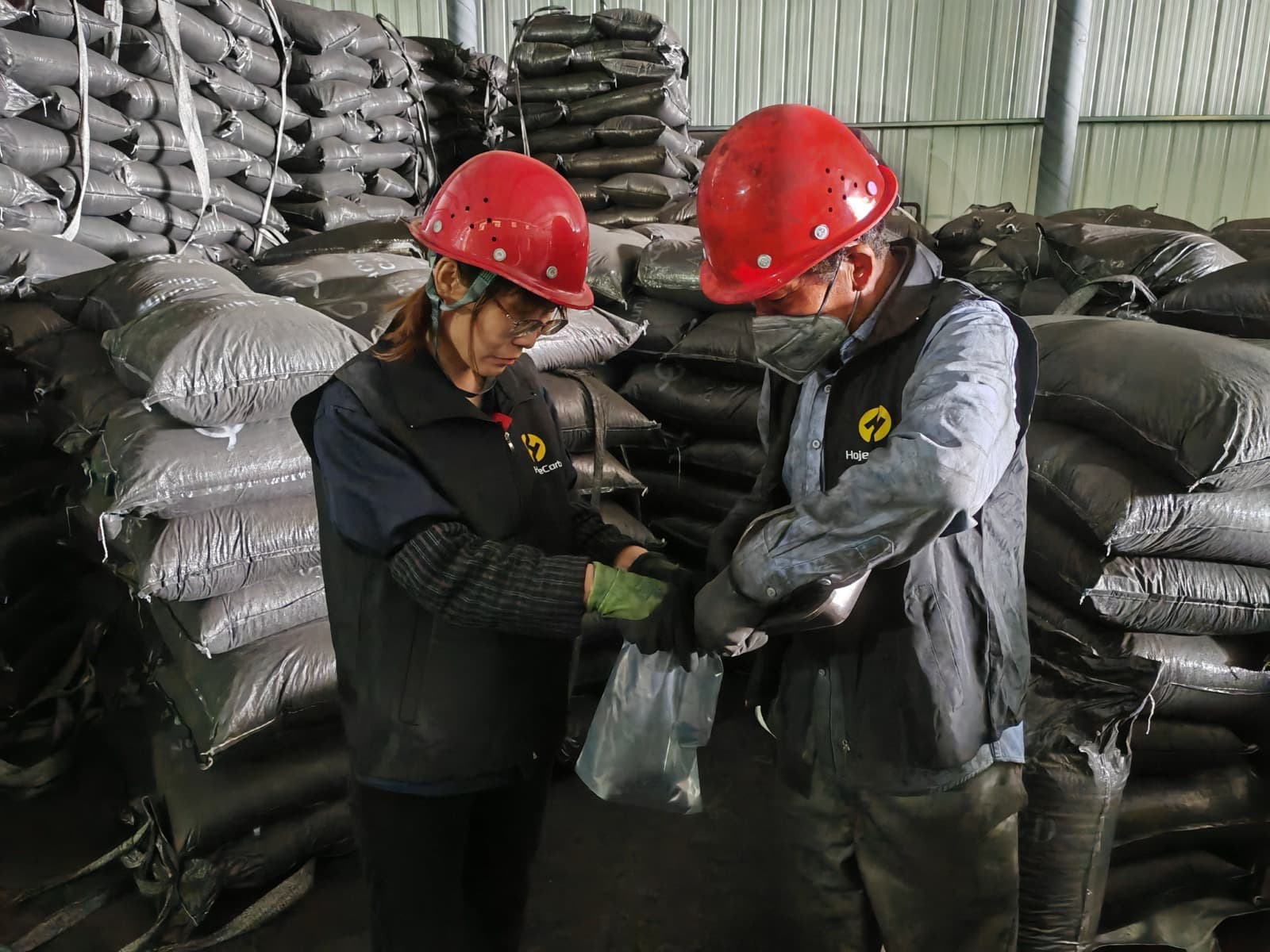
Yes. We offer 1–5 ton trial orders for new gold mining customers — includes full COA, A.A.R.L. attrition report, gold loading test, and loading photos. Ship the trial alongside a routine cargo consolidation to keep per-ton freight reasonable.
Sourcing Activated Carbon for Tanzania?
Gold circuit, mine water, NGO water project, or industrial — tell us the application and volume. Factory price, COA, and shipping quote within 24 hours.