
Activated carbon doesn't come out of the ground ready to adsorb. Raw carbonaceous materials — coconut shells, coal, wood, peat — must undergo an activation process that develops the internal pore network responsible for adsorption. The two dominant commercial methods are steam (physical) activation and chemical activation. Each produces carbon with fundamentally different pore structures, surface chemistries, and performance profiles.
Choosing the wrong activation method is one of the most expensive mistakes buyers make. A steam-activated carbon optimized for micropores will underperform in decolorization applications that need mesopores. A chemically activated carbon with high mesopore volume will waste capacity in gas-phase applications where micropores dominate. This guide breaks down both methods so you can specify the right carbon from the start.
What Is Activation and Why Does It Matter?
Raw carbon materials contain carbon atoms arranged in disordered graphitic sheets. Between these sheets are tar deposits, volatile compounds, and disorganized carbon that block potential adsorption sites. Activation is the controlled process of removing these blockages and developing a vast internal pore network.
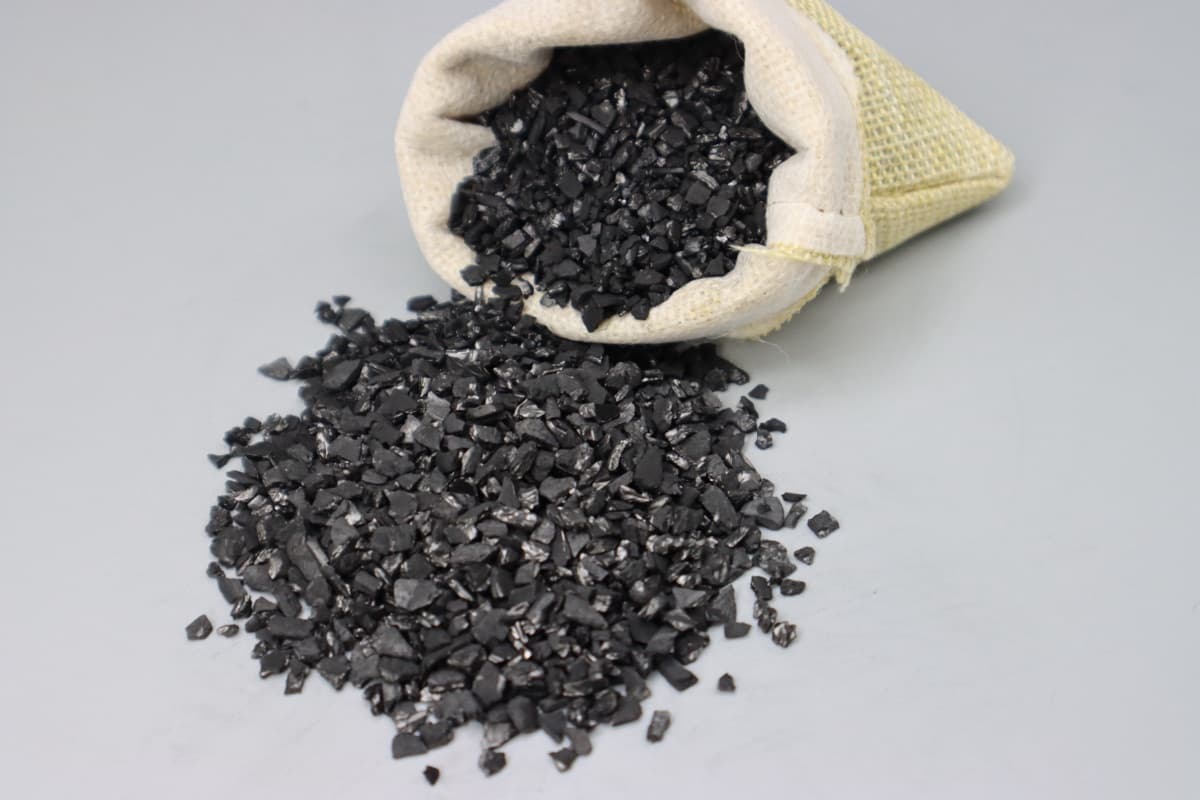
The numbers are striking: a single gram of properly activated carbon can have a surface area of 800 to 1,500 m², roughly the area of a quarter of a football field. Without activation, that same gram might have a surface area of only 10–50 m². The activation method determines not just how much surface area develops, but the size distribution of the pores — and pore size is what ultimately determines which molecules your carbon can capture.
Pore Size Classification (IUPAC)
→ Micropores (< 2 nm): Adsorb small molecules — gases, solvents, chlorine, VOCs, gold cyanide complexes
→ Mesopores (2–50 nm): Adsorb medium molecules — color bodies, some pharmaceuticals, natural organic matter
→ Macropores (> 50 nm): Serve as transport highways, allowing molecules to reach interior micropores and mesopores
Need activated carbon?
Get Factory-Direct Pricing — No Middlemen
20+ years manufacturing. MOQ 1 ton. Free samples. Reply within 2 hours.
Steam (Physical) Activation Explained
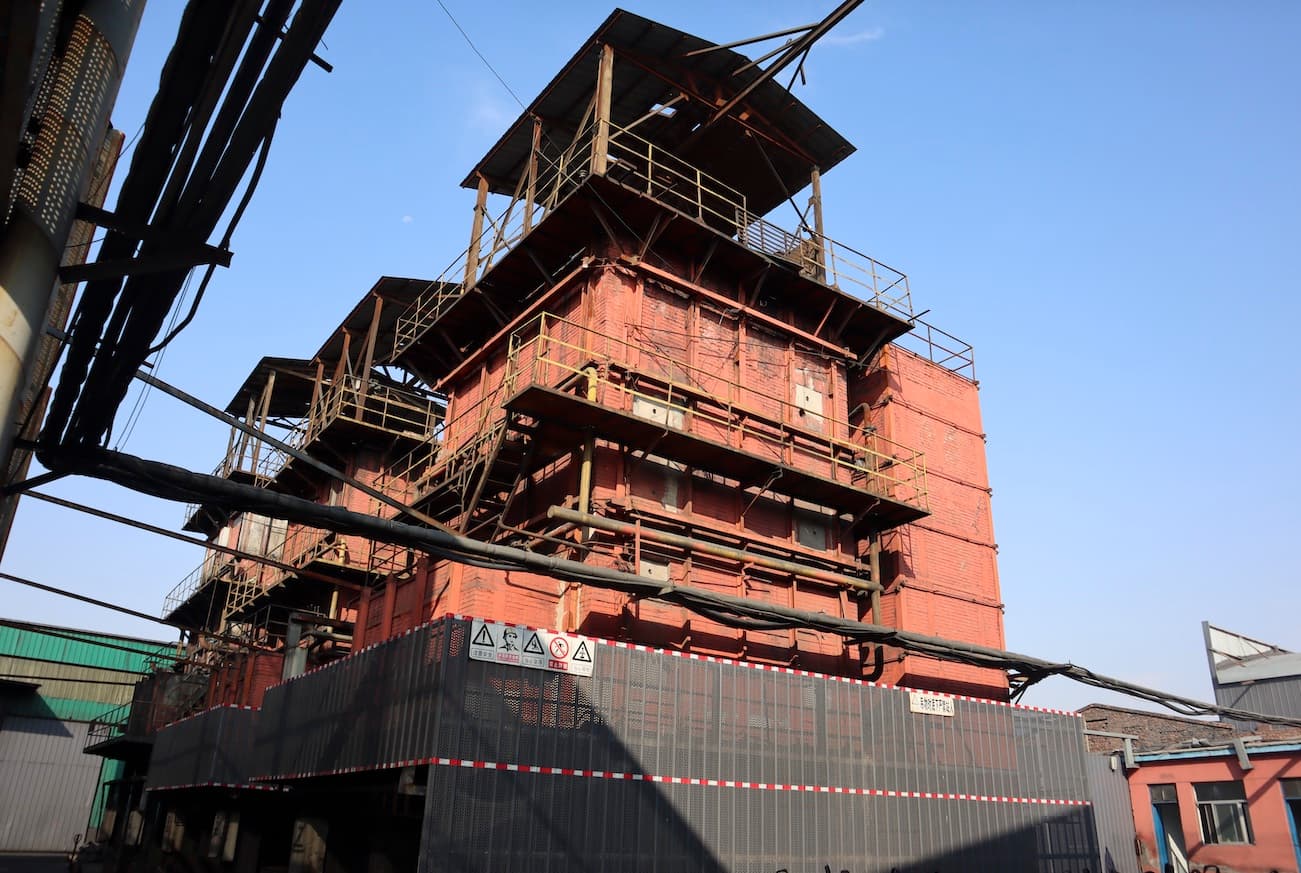
Steam activation is a two-stage thermal process and the most widely used activation method globally. It produces carbons with predominantly microporous structures, making it the go-to method for gas-phase adsorption, water purification, and gold recovery applications.
Stage 1: Carbonization
The raw material — typically coconut shell, coal, or wood — is heated to 400–600°C in an inert atmosphere (typically nitrogen or the material's own off-gases). This drives off moisture, volatile organic compounds, and light hydrocarbons, leaving behind a carbon-rich char with a rudimentary pore structure. The char typically has a carbon content of 70–85% and a surface area of only 200–400 m²/g.
Stage 2: Steam Activation
The carbonized char is then exposed to superheated steam at 800–1,000°C inside a rotary kiln or multi-hearth furnace. At these temperatures, the water-gas reaction occurs: C + H₂O → CO + H₂. This endothermic reaction selectively gasifies carbon atoms from the char structure, widening existing pores and creating new ones. The process is carefully controlled — too little activation leaves undeveloped pores, while over-activation destroys the pore walls and reduces adsorption capacity.
Activation time typically ranges from 1 to 4 hours depending on the target surface area and pore volume. The degree of burn-off (percentage of carbon gasified) usually falls between 30% and 70%. Higher burn-off generally means higher surface area but lower mechanical hardness and lower yield.
Key Characteristics of Steam-Activated Carbon
→ Predominantly microporous (> 90% of pore volume in micropore range)
→ Surface area typically 800–1,200 m²/g
→ High iodine number (900–1,200 mg/g for quality grades)
→ Lower yield (15–25% from raw material to finished product)
→ No chemical residues — the product is inherently pure
→ Preferred raw materials: coconut shell, coal, hardwood
Chemical Activation Explained
Chemical activation is a single-stage process that uses a chemical agent to dehydrate and restructure the raw material at lower temperatures. It produces carbons with a broader pore size distribution — significant mesopore and macropore volume alongside micropores — making it ideal for liquid-phase applications involving larger molecules.
The Process
The raw material (most commonly wood, sawdust, or peat) is first impregnated with a chemical activating agent. The three most common agents are zinc chloride (ZnCl₂), phosphoric acid (H₃PO₄), and potassium hydroxide (KOH). The impregnated material is then heated to 400–700°C — significantly lower than steam activation temperatures.
During heating, the chemical agent acts as a dehydrating catalyst, promoting cross-linking reactions and inhibiting tar formation. This creates a rigid carbon matrix with well-developed pores. After activation, the chemical agent is recovered through washing (acid wash for ZnCl₂ and KOH, water wash for H₃PO₄), and the recovered agent is recycled back into the process.
Common Chemical Agents
Phosphoric Acid (H₃PO₄)
The most widely used chemical agent today. Produces powdered activated carbon (PAC) with excellent mesopore development. Activation temperature: 400–500°C. Preferred for wood-based carbons used in food, beverage, and pharmaceutical decolorization.
Zinc Chloride (ZnCl₂)
Historically dominant but declining due to environmental concerns. Produces high surface area carbons with broad pore distribution. Activation temperature: 500–700°C. Still used in some regions for industrial-grade carbons.
Potassium Hydroxide (KOH)
Produces extremely high surface area carbons (up to 3,000 m²/g) with very narrow micropores. Activation temperature: 600–800°C. Primarily used for specialty applications like supercapacitor electrodes and high-purity gas storage.
Head-to-Head Comparison
The following table summarizes the key differences between steam and chemical activation. These are general ranges — specific products may fall outside these values depending on raw material quality and process optimization.
| Parameter | Steam Activation | Chemical Activation |
|---|---|---|
| Activation Temperature | 800–1,000°C | 400–700°C |
| Process Stages | Two (carbonization + activation) | One (impregnation + heat) |
| Dominant Pore Type | Micropores (< 2 nm) | Mesopores (2–50 nm) + Micropores |
| Surface Area | 800–1,200 m²/g | 1,000–2,000 m²/g |
| Yield | 15–25% | 30–50% |
| Production Cost | Higher (energy-intensive) | Lower (lower temp, higher yield) |
| Environmental Impact | CO/H₂ off-gas (manageable) | Chemical waste streams (requires recovery) |
| Typical Raw Materials | Coconut shell, coal, hardwood | Wood, sawdust, peat |
| Product Purity | High (no chemical residues) | Requires thorough washing |
| Product Form | Granular (GAC), pelletized | Powdered (PAC), granular |
Pore Structure: The Critical Difference
The most consequential difference between steam and chemical activation is the pore size distribution of the resulting carbon. This single factor determines which molecules the carbon can adsorb and, therefore, which applications it's suited for.
Steam activation develops pores through selective gasification of carbon atoms. Because the steam molecule (H₂O) is small, it penetrates deep into the carbon matrix and preferentially widens the narrowest channels. The result is a carbon dominated by micropores — pores smaller than 2 nm in diameter. These micropores create intense van der Waals forces that trap small molecules with extraordinary efficiency.
Chemical activation works differently. The chemical agent (H₃PO₄, ZnCl₂, or KOH) is physically mixed into the raw material before heating. As the agent dehydrates and cross-links the carbon structure, it creates larger voids where the agent molecules were embedded. When the agent is washed out after activation, these voids become mesopores and macropores. The result is a carbon with a much broader pore size distribution — significant volume in both the micropore and mesopore ranges.
Why Pore Size Matters for Adsorption
Adsorption is most efficient when the pore diameter is 1.2 to 3 times the diameter of the target molecule. Pores that are too large provide weak attractive forces. Pores that are too small physically exclude the molecule.
→ Small molecules (chlorine, VOCs, H₂S, solvents): Best captured by micropores — use steam-activated carbon
→ Medium molecules (color bodies, tannins, humic acids): Need mesopores — use chemically activated carbon
→ Large molecules (proteins, high-MW organics): Require macropores for access — chemically activated carbon with broad pore distribution
Application Matching: Which Activation for Which Use Case?
Matching the activation method to your application is the single most important specification decision you'll make. Here's a detailed breakdown by industry and use case.
Best Applications for Steam-Activated Carbon
→ Drinking water treatment: Chlorine, chloramine, and taste/odor removal require microporous carbon. Steam-activated coconut shell GAC is the industry standard for municipal and point-of-use systems.
→ Air and gas purification: VOC removal, solvent recovery, and industrial off-gas treatment all involve small gas-phase molecules that fit perfectly into micropores. Steam-activated coal-based carbon or coconut shell carbon dominates this space.
→ Gold recovery (CIL/CIP): The gold cyanide complex Au(CN)₂⁻ is a small molecule that adsorbs preferentially into micropores. Hard, microporous coconut shell carbon activated by steam is the universal choice for gold mining operations.
→ Food and beverage processing: Dechlorination of process water, purification of CO₂ for carbonated drinks, and removal of trace contaminants from edible oils all benefit from the high purity and microporous structure of steam-activated carbon.
→ Catalysis support: The uniform micropore structure of steam-activated carbon provides consistent catalyst dispersion for chemical process applications.
Best Applications for Chemically Activated Carbon
→ Sugar and sweetener decolorization: Color bodies in sugar liquor are large organic molecules (MW 300–10,000) that require mesopores for adsorption. Chemically activated wood-based PAC is the standard in sugar refineries worldwide.
→ Pharmaceutical purification: API purification, decolorization of drug intermediates, and removal of pyrogens involve medium-to-large molecules. Chemically activated carbon with controlled mesopore volume provides the selectivity needed.
→ Edible oil refining: Bleaching of vegetable oils requires removal of pigments, phospholipids, and trace metals — all relatively large molecules that need mesoporous carbon.
→ Wastewater treatment (large organics): When the target contaminants are large organic molecules — dyes, surfactants, or high-MW industrial chemicals — chemically activated PAC outperforms steam-activated alternatives.
→ Wine and juice clarification: Removal of off-flavors, excess tannins, and browning compounds from beverages requires the mesopore-rich structure of chemically activated carbon.
Environmental Considerations
Both activation methods have environmental trade-offs that responsible manufacturers must manage. Understanding these helps buyers evaluate supplier quality and sustainability practices.
Steam Activation: Energy Intensity
The primary environmental concern with steam activation is energy consumption. Maintaining temperatures of 800–1,000°C for several hours requires significant fuel input — typically natural gas, coal, or biomass. The water-gas reaction produces CO and H₂ off-gases, which modern facilities capture and use as supplemental fuel, significantly reducing net energy consumption. Steam activation produces no chemical waste streams, and the product requires no post-activation washing, eliminating wastewater concerns.
Chemical Activation: Waste Stream Management
Chemical activation operates at lower temperatures but introduces chemical waste management challenges. The activating agent must be thoroughly washed from the finished carbon, generating acidic or alkaline wastewater that requires treatment before discharge. Zinc chloride activation is particularly problematic — ZnCl₂ is toxic to aquatic organisms, and incomplete recovery leads to zinc contamination in both the product and wastewater. This is why H₃PO₄ has largely replaced ZnCl₂ in modern facilities: phosphoric acid is less toxic, easier to recover (85–95% recovery rates), and the residual phosphorus in the carbon is generally benign.
When evaluating suppliers, ask about their chemical recovery rates and wastewater treatment processes. A well-managed chemical activation plant with high recovery rates can have a lower overall environmental footprint than a poorly managed steam activation facility burning dirty fuel.
Quality Indicators for Each Activation Type
Different activation methods produce carbons that are best evaluated by different quality testing methods. Using the wrong test for the wrong carbon type leads to misleading conclusions.
For Steam-Activated Carbon
→ Iodine Number (ASTM D4607): The primary indicator of micropore development. Measures adsorption of iodine (a small molecule) from solution. Target: 900–1,200 mg/g for quality steam-activated carbons.
→ CTC (Carbon Tetrachloride Activity): Measures gas-phase adsorption capacity in micropores. Critical for air purification and solvent recovery applications. Target: 50–80% for quality grades.
→ Butane Activity / Working Capacity: Specifically relevant for evaporative emission control (automotive canisters). Measures both adsorption and desorption in micropores.
→ Hardness / Abrasion Number: Critical for GAC applications where the carbon must withstand backwashing, transport, and reactivation cycles without excessive fines generation.
For Chemically Activated Carbon
→ Methylene Blue Number: The primary indicator of mesopore development. Methylene blue is a larger molecule (MW 320) that requires mesopores for adsorption. Target: 180–280 mg/g for quality chemically activated carbons.
→ Molasses Number / Decolorization Index: Measures the carbon's ability to remove large color molecules from molasses solution. Directly relevant to sugar decolorization performance.
→ Caramel Decolorization: A more specific test for sugar refining applications, measuring removal of caramel-type color bodies.
→ Residual Chemical Content: Particularly important for food-grade and pharmaceutical applications. Residual phosphorus (from H₃PO₄ activation) or zinc (from ZnCl₂ activation) must meet regulatory limits.
How to Specify the Right Activation Method When Ordering
When requesting quotes or technical data sheets from suppliers, specifying the activation method upfront saves time and prevents costly mismatches. Here's a practical framework for communicating your requirements.
Information to Include in Your Specification
→ Target contaminant(s): Name the specific molecules or compound classes you need to remove. This is more useful than specifying activation method directly, as it lets the manufacturer recommend the optimal product.
→ Application type: Gas-phase or liquid-phase? Batch or continuous? This determines whether GAC or PAC is more appropriate, which in turn influences the activation method.
→ Required test values: Specify iodine number for micropore-dependent applications, methylene blue number for mesopore-dependent applications, or both if your application involves mixed contaminant sizes.
→ Regulatory requirements: Food-grade (FDA/EU), NSF/ANSI 61 for drinking water, pharmacopoeia standards — these may dictate activation method and raw material choices.
→ Volume and budget: Chemical activation generally produces lower-cost carbon per kilogram due to higher yields. If budget is constrained and your application allows either method, this may tip the decision.
A common mistake is specifying only surface area (BET). Two carbons can have identical BET surface areas of 1,000 m²/g but completely different pore size distributions — one predominantly microporous (steam-activated) and the other mesoporous (chemically activated). They will perform very differently in the same application. Always specify pore-related test values alongside surface area.
The Bottom Line
Steam activation and chemical activation are not competing technologies — they're complementary tools that produce fundamentally different products for different applications. Steam activation excels at creating microporous carbons for gas-phase adsorption, water dechlorination, and small-molecule removal. Chemical activation excels at creating mesoporous carbons for decolorization, pharmaceutical purification, and large-molecule adsorption.
The right choice starts with understanding your target contaminant. Know the molecular size of what you're trying to remove, match it to the appropriate pore structure, and then select the activation method that produces that pore structure most efficiently. When in doubt, provide your supplier with detailed application information and let their technical team recommend the optimal product. A good manufacturer produces both steam-activated and chemically activated carbons and will guide you to the right one — not just the most expensive one.
Our Manufacturing Facility
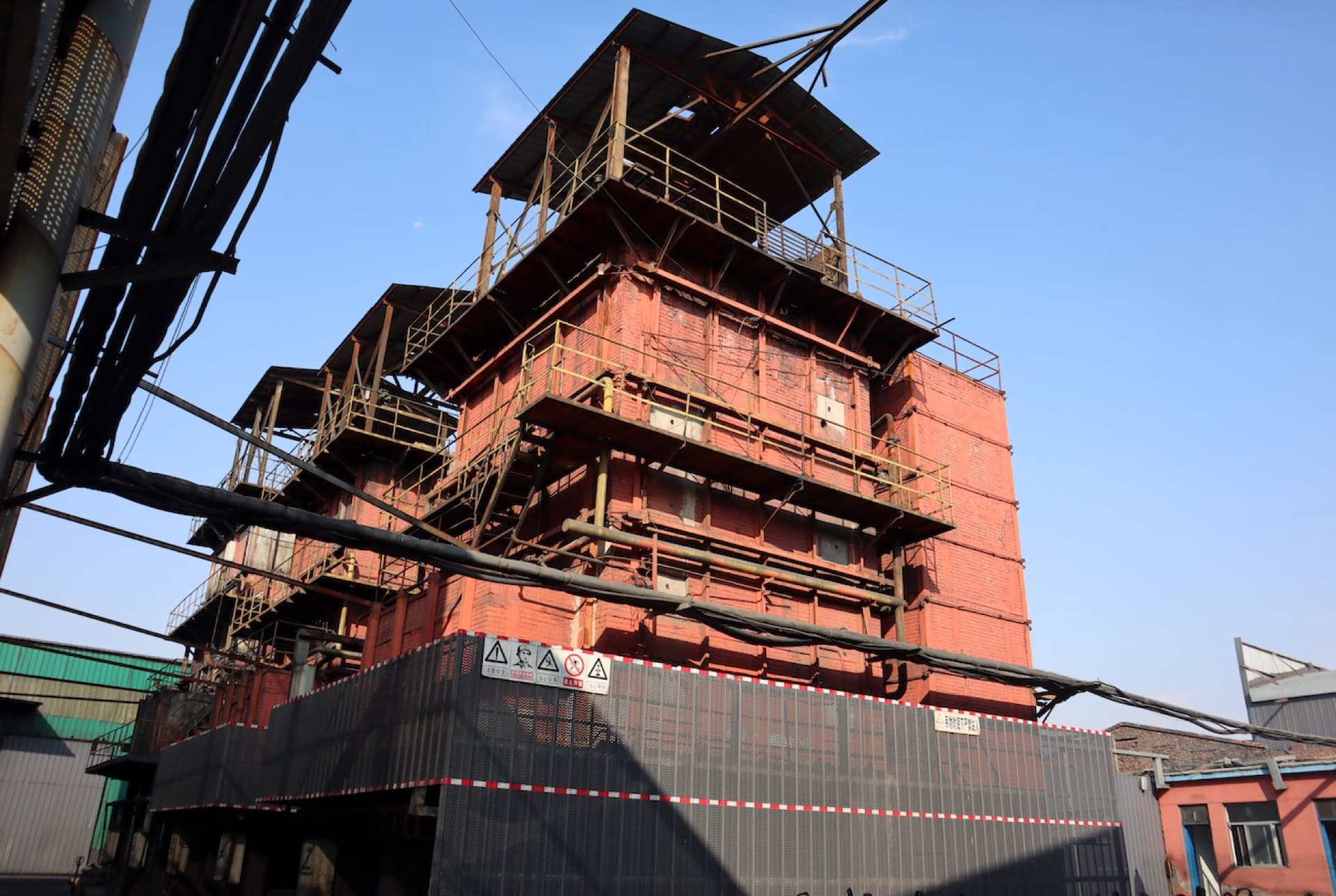
Our production facility operates both steam activation rotary kilns and chemical activation furnaces, giving us the flexibility to produce both microporous and mesoporous activated carbons in-house. This dual capability means we can recommend the right activation method based purely on your application needs — not limited by what we can produce.
Not Sure Which Activation Method You Need?
Tell us about your application and target contaminants. Our technical team will recommend the right activation method, raw material, and product grade — with test data to back it up.
Get a Technical RecommendationFrequently Asked Questions
What is steam activation and when is it used?
Steam activation uses superheated steam at 800–1000°C to gasify carbon atoms (C + H₂O → CO + H₂), creating pores. It primarily develops micropores (<2 nm). Used for coconut shell and coal-based carbons where high micropore volume is needed — water treatment, gas purification, gold recovery.
What is chemical activation and what are its advantages?
Chemical activation uses reagents (H₃PO₄, ZnCl₂, or KOH) at lower temperatures (400–700°C). Advantages: higher carbon yield (30–50% vs 15–25%), develops more mesopores, lower activation temperature saves energy, and can produce very high surface area carbons (2000+ m²/g with KOH). Mainly used for wood-based carbons.
Which activation method produces better activated carbon?
Neither is universally better — each is optimized for different applications. Steam activation produces harder, more microporous carbon ideal for gas-phase adsorption and water treatment. Chemical activation produces softer, more mesoporous carbon ideal for decolorization and large-molecule adsorption. Choose based on your application needs.
Does activation method affect the price of activated carbon?
Chemical activation generally costs less due to lower activation temperature, higher yield, and shorter process time. However, chemical reagent costs and wastewater treatment from washing can offset savings. Steam-activated carbon commands higher prices due to lower yield and premium positioning for water and gas treatment applications.
Can the same raw material be both steam and chemically activated?
Yes, but results differ significantly. Wood can be steam-activated (producing microporous carbon) or phosphoric acid-activated (producing mesoporous carbon with much higher yield). Coal is almost exclusively steam-activated. Coconut shell is always steam-activated because its natural structure already favors micropore development.
Further Reading
→ Activated Carbon Quality Testing Methods — Understand iodine number, methylene blue, CTC, and other key tests for evaluating carbon performance.
→ The Complete Guide to Iodine Number — Deep dive into the most important quality metric for steam-activated carbons.
→ Coconut Shell vs Coal-Based Activated Carbon — Compare the two most common raw materials for steam-activated carbon production.
→ Coconut Shell Activated Carbon Products — Browse our range of steam-activated coconut shell carbons for water, air, and gold recovery.
→ Wood-Based Activated Carbon Products — Explore our chemically activated wood-based carbons for decolorization and pharmaceutical applications.