
Buyer's Guide
How to Choose an Activated Carbon Manufacturer
8 questions every buyer should ask before placing an order. Whether you're sourcing 5 tons or 500 tons, these questions help you separate real manufacturers from middlemen — and find a partner you can rely on for years.
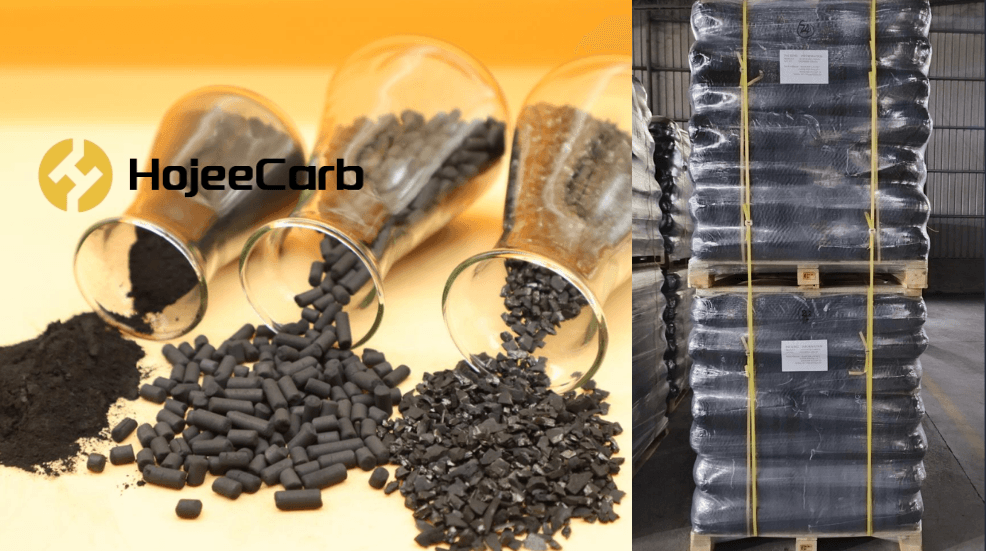
I've been in the activated carbon business for over 15 years. In that time, I've seen buyers waste months negotiating with "manufacturers" who turned out to be trading companies, or lock themselves into contracts with factories that couldn't deliver consistent quality. The truth is, choosing the right manufacturer is the single most important decision in your carbon procurement process.
Here are the 8 questions I recommend asking — and what the answers should tell you.
Quick Reference: 8 Questions at a Glance
| # | Question | Red Flag Answer |
|---|---|---|
| 1 | Do you own the production facility? | "We work with multiple factories" |
| 2 | What is your annual capacity? | Can't give a specific number |
| 3 | Can I see your production process? | Refuses video call or factory visit |
| 4 | What raw materials do you use? | Vague about sources and grades |
| 5 | What quality tests do you run on each batch? | Only provides generic COA template |
| 6 | What certifications do you hold? | Claims certifications but can't show originals |
| 7 | Can you provide customer references? | "Confidential" with zero examples |
| 8 | What happens if quality doesn't meet spec? | No clear policy or compensation process |
1. "Do You Own the Production Facility?"
This is the first question and the most important one. The activated carbon market — especially online — is flooded with trading companies pretending to be manufacturers. They'll show you factory photos (often stolen from real manufacturers), promise low prices, and disappear when quality problems arise.
What to look for: A real manufacturer can show you their business license with "manufacturing" in the scope, utility bills for their factory address, and live video of their production line. Trading companies typically dodge these requests or provide generic photos.
Why it matters: Manufacturers control quality at every step — from raw material selection to activation temperature to final screening. Trading companies have zero control. If a batch goes wrong, a manufacturer can trace the issue and fix it. A trading company can only complain to their supplier and hope for the best.
2. "What Is Your Annual Production Capacity?"
Capacity tells you a lot about whether a manufacturer can serve your needs long-term. A factory with 2,000 tons/year capacity is fine for trial orders, but if your annual demand grows to 500 tons, you'll be 25% of their total output — that's a supply chain risk.
Good benchmarks:
- Small specialty manufacturer: 1,000–3,000 tons/year
- Mid-size manufacturer: 5,000–15,000 tons/year
- Large manufacturer: 20,000+ tons/year
Ask follow-up questions: How many kilns do you have? What types? A manufacturer with 3 rotary kilns and 2 fluidized bed furnaces can make different products simultaneously and has redundancy if one unit needs maintenance.
3. "Can I See Your Production Process?"
In 2026, there's no excuse for not offering a virtual factory tour. WeChat video, Zoom, WhatsApp video — any manufacturer confident in their operations will walk you through the factory floor in real-time. If they refuse, ask yourself why.
What to observe:
- Raw material storage area — organized and dry, or a mess?
- Kilns running — what does the production log show?
- Screening area — dust control, proper mesh labeling?
- Lab — equipped with titration setup, ovens, balances?
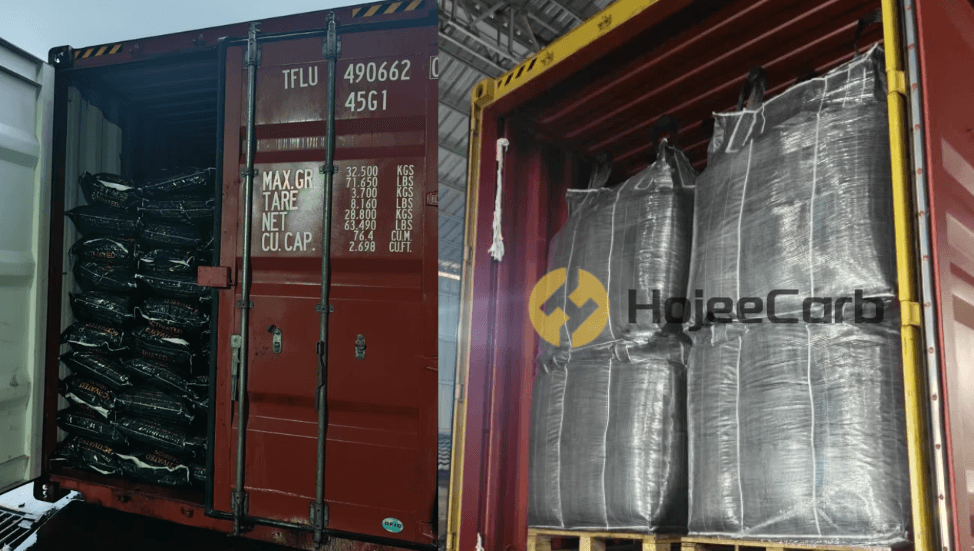
- Warehouse — bags stacked properly, labeled by grade and batch?
A 15-minute video call tells you more than a hundred product brochures. We regularly do video tours for new customers — it's standard practice among serious manufacturers.
Need activated carbon?
Get Factory-Direct Pricing — No Middlemen
20+ years manufacturing. MOQ 1 ton. Free samples. Reply within 2 hours.
4. "What Raw Materials Do You Use and Where Do They Come From?"
Raw material is 60-70% of activated carbon cost and the biggest factor in final product quality. A manufacturer who is transparent about their raw material sources is a manufacturer you can trust.
Key raw materials by type:
- Coconut shell — Indonesia, Philippines, India, Sri Lanka (best from mature coconut, 6+ months dried)
- Coal-based — Ningxia Taixi anthracite (China's premium), Shanxi bituminous coal
- Wood-based — Sawdust from managed plantations, phosphoric acid activation
Ask: Do you have long-term supply contracts? How many months of raw material inventory do you keep on-site? Manufacturers with stable supply chains deliver consistent quality. Those buying raw material from whoever offers the cheapest price this month will give you inconsistent carbon.
5. "What Quality Tests Do You Run on Every Batch?"
A serious manufacturer tests every production batch — not just random spot checks. The answer to this question reveals whether they have real quality control or just a COA template they fill in with target numbers.
Minimum tests for every batch:
| Test | Method | Why It Matters |
|---|---|---|
| Iodine number | ASTM D4607 | Overall adsorption capacity indicator |
| Moisture | ASTM D2867 | Should be <5% — you don't want to pay for water |
| Ash content | ASTM D2866 | Lower = purer carbon. Coconut shell: <5%, Coal: <15% |
| Hardness | ASTM D3802 | Mechanical strength — low hardness = dust and carbon loss |
| Particle size | ASTM D2862 | Must match your system specs (e.g., 8×30, 12×40 mesh) |
| pH | ASTM D3838 | Affects treated water pH — critical for drinking water |
Ask them to send COAs from their last 5 batches of the same product. Consistent numbers (±5% variation) mean stable production. Wild swings mean unstable process control.
6. "What Certifications Do You Hold?"
Certifications aren't just badges on a website — they determine whether you can use the carbon in specific applications. Wrong certifications = your shipment gets rejected at customs or fails compliance audits.
Must-have by application:
- Drinking water (US/Canada): NSF/ANSI 61 — non-negotiable
- Drinking water (Europe): EN 12915, DIN 19603
- Food & beverage: FDA compliance, food-grade certification
- Export to EU (≥1 ton/year): REACH registration
- General quality system: ISO 9001:2015
Ask for scanned copies of actual certificates — check expiry dates, the certifying body, and the scope of certification. Some manufacturers have ISO 9001 for their trading operations but not for their production line. That's meaningless for product quality.
7. "Can You Provide Customer References?"
A manufacturer with 10+ years of export experience should be able to name at least 3-5 customers (with permission) who can vouch for them. They don't need to share exact contract details — just a contact person and which country/application they serve.
Better than references: Ask for their shipping history. How many containers did you export last year? To which countries? A manufacturer shipping 200+ containers/year to 30+ countries has proven their reliability at scale. One shipping 10 containers to 3 countries may not have the experience to handle your orders smoothly.
At HojeeCarb, we export to 40+ countries and can provide references from customers in water treatment, gold mining, air purification, and food processing industries. We're happy to connect you with existing customers in your same application — that's the best proof of quality.
8. "What Happens If the Quality Doesn't Meet Specification?"
This is the question most buyers forget to ask — until they have a problem. A clear quality guarantee policy separates professional manufacturers from operators who disappear when things go wrong.
A good manufacturer should offer:
- Pre-shipment sample approval — you test before they ship
- Third-party inspection allowed — SGS, Intertek, Bureau Veritas
- Clear compensation terms — replacement, credit, or refund for out-of-spec product
- Batch traceability — can trace any bag back to production date, kiln, and raw material lot
- Response time commitment — e.g., 24-hour response to quality complaints
Get these terms in writing before your first order. Verbal promises are worthless when $50,000 of carbon arrives at your plant and fails quality tests.
Why Buyers Choose HojeeCarb as Their Manufacturer
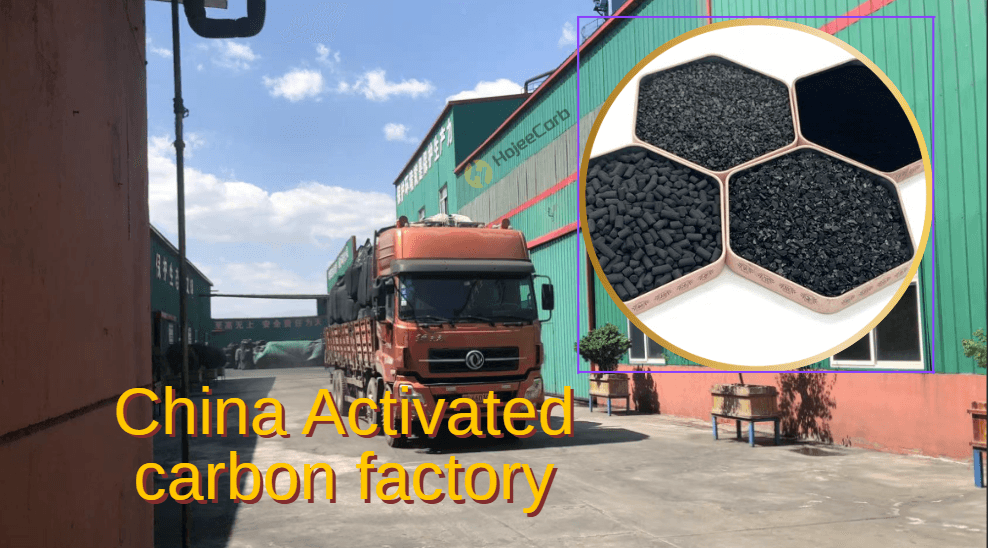
We're a factory, not a middleman. Our facility in China produces coconut shell carbon, coal-based carbon, wood-based carbon, and specialty grades including acid-washed and impregnated activated carbon.
- Production capacity: 20,000+ tons/year across multiple product lines
- Quality testing: Every batch tested in our ISO-certified lab before shipment
- Certifications: ISO 9001, NSF/ANSI 61, REACH, FDA food-grade
- Experience: Exporting to 40+ countries for 15+ years
- Transparency: Factory video tours available, third-party inspection welcome
If you'd like to run through these 8 questions with us directly, we're ready. Contact us below or request a sample — we'll send it with a full COA so you can verify the quality yourself before committing to an order.
Ready to Talk to a Real Manufacturer?
Request a free sample or get a factory-direct quote. No middlemen, no markup.
Contact HojeeCarbFrequently Asked Questions
What is the difference between an activated carbon manufacturer and a trading company?
A manufacturer owns production facilities (kilns, screening lines, labs) and controls quality from raw material to finished product. A trading company buys from multiple factories and resells — they add margin but offer no quality control over production. Prices from manufacturers are typically 15-30% lower. Ask for factory photos, production videos, or a virtual factory tour to verify.
How do I verify if a company is a real activated carbon manufacturer?
Three methods: (1) Request a factory video call showing kilns running and workers processing carbon. (2) Check business registration on China's National Enterprise Credit Information Publicity System (NECIPS) — look for 'manufacturing' in the business scope. (3) Ask for export records or customs data showing shipments under their own name, not a trading company's.
What minimum order quantity (MOQ) do activated carbon manufacturers require?
Most Chinese manufacturers set MOQ at 1-5 tons for standard products (common mesh sizes, no special treatment). Custom orders (specific iodine values, acid washing, impregnation) typically require 5-20 tons MOQ. For trial orders, many manufacturers accept 500 kg - 1 ton at slightly higher prices to build the relationship.
Should I choose a large or small activated carbon manufacturer?
Large manufacturers (>10,000 tons/year) offer stable supply, multiple product lines, and usually better certifications. Small manufacturers (1,000-5,000 tons/year) often provide more flexibility, lower MOQs, and more personalized service. Choose based on your volume: if you need >100 tons/year, go large. For specialty products or smaller volumes, a focused smaller manufacturer may serve you better.
How long does it take to get activated carbon from a Chinese manufacturer?
Standard products in stock: 7-15 days production + 25-40 days ocean freight. Custom production: 15-30 days + shipping. Total timeline from order to delivery: 5-10 weeks depending on destination. Air freight is available for urgent small quantities (3-5 days) but costs 8-10x more than sea freight.