
Activated Carbon Shipping Costs 2026: Red Sea Crisis Impact & Alternative Routes
The Red Sea blockade has disrupted global activated carbon supply chains. Here's what buyers need to know about shipping costs, delays, and alternative solutions in 2026.
The Red Sea Crisis: What Happened and Why It Matters
Since late 2025, the Red Sea shipping route—a critical artery for global trade—has faced severe disruptions due to geopolitical tensions in West Asia. For activated carbon buyers, this crisis has translated into:
- 40-60% increase in freight costs from China and India to Europe, Middle East, and Africa
- Extended delivery times (20-30 days longer via Cape of Good Hope)
- War risk surcharges adding $200-500 per container
- Supply chain uncertainty affecting gold mining operations in Sudan, Egypt, and East Africa
According to industry reports from April 2026, Indian activated carbon manufacturers—major suppliers to gold mining operations—have been hit particularly hard. The blockade has forced shippers to reroute around Africa's southern tip, adding 3,000+ nautical miles to each voyage.
Current Shipping Cost Breakdown (2026)
Here's what buyers are paying for bulk activated carbon shipments in 2026:
China to Major Destinations
| Route | Pre-Crisis (2024) | Current (2026) | Increase |
|---|---|---|---|
| China → Europe | $2,500-3,000/20ft | $4,200-5,000/20ft | +68% |
| China → Middle East | $1,800-2,200/20ft | $3,000-3,800/20ft | +64% |
| China → East Africa | $2,000-2,400/20ft | $3,500-4,200/20ft | +70% |
| China → North America | $3,500-4,000/20ft | $3,800-4,500/20ft | +14% |
| China → Southeast Asia | $800-1,200/20ft | $900-1,300/20ft | +8% |
*Rates for 20ft container (approx. 10-12 tons of granular activated carbon). Prices vary by season, carrier, and contract terms.
India to Gold Mining Markets
Indian manufacturers supplying activated carbon for gold recovery have faced the steepest challenges:
- India → Sudan/Egypt: $3,200-4,500/20ft (was $1,800-2,200 pre-crisis)
- India → East Africa: $2,800-3,800/20ft (was $1,600-2,000)
- War risk surcharge: Additional $300-600 per container
Alternative Shipping Routes: Pros and Cons
Buyers and suppliers have adapted with three main strategies:
1. Cape of Good Hope Route
How it works: Ships bypass the Suez Canal entirely, sailing around South Africa.
Pros:
- Avoids Red Sea conflict zone
- No war risk surcharges
- Reliable scheduling
Cons:
- 20-30 days longer transit time
- Higher fuel costs (reflected in freight rates)
- Increased carbon footprint
Best for: Non-urgent bulk orders (50+ tons), buyers with flexible inventory planning.
2. Air Freight (Emergency Orders)
Cost: $4.50-7.00/kg (vs. $0.15-0.25/kg for sea freight)
Pros:
- 5-7 days delivery
- Suitable for urgent production needs
- Lower risk of damage
Cons:
- 20-30x more expensive than sea freight
- Only viable for small quantities (1-5 tons)
- Limited carrier options for hazardous materials classification
Best for: Emergency restocking, high-value specialty carbons (impregnated, pharmaceutical-grade).
3. Regional Warehousing & Pre-Positioning
Forward-thinking suppliers have established regional distribution hubs:
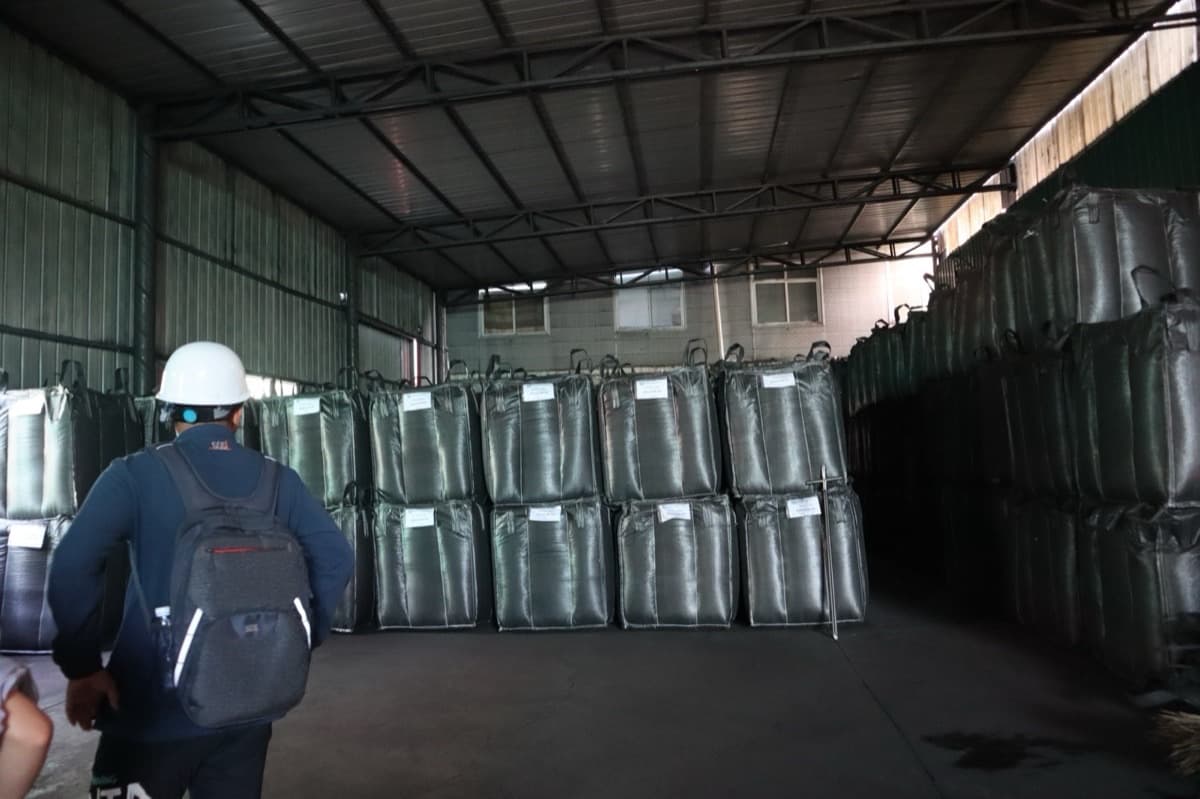
- Europe: Rotterdam, Hamburg warehouses (stock 200-500 tons)
- Middle East: Dubai, Jeddah facilities
- Africa: Mombasa, Durban distribution centers
Advantages for buyers:
- 7-14 day delivery vs. 45-60 days from origin
- Smaller MOQ (5-10 tons vs. 20+ tons for direct shipment)
- Reduced exposure to freight volatility
Need activated carbon?
Get Factory-Direct Pricing — No Middlemen
20+ years manufacturing. MOQ 1 ton. Free samples. Reply within 2 hours.
Cost-Saving Strategies for Buyers
1. Consolidate Orders & Plan Ahead
Freight cost per ton drops significantly with volume:
- 10 tons (1x20ft): $420-500/ton
- 50 tons (2x40ft): $280-350/ton
- 100+ tons (bulk vessel): $180-250/ton
Action: Forecast 6-12 months of demand and place larger, less frequent orders.
2. Negotiate FOB vs. CIF Terms
In volatile freight markets, FOB (Free On Board) terms give you more control:
- FOB: You arrange shipping—allows you to shop for best freight rates and choose routes
- CIF: Supplier handles shipping—convenient but you pay their markup on freight
Tip: For orders over 50 tons, FOB + your own freight forwarder can save 10-15%.
3. Consider Alternative Origins
If your application allows flexibility in carbon type:
- Southeast Asian suppliers (Indonesia, Thailand) offer shorter routes to Middle East/Africa
- Domestic US production is expanding (e.g., BioEnergy Development's Montana facility) to reduce import dependence
- European manufacturers (Jacobi, Donau Carbon) may be cost-competitive for EU buyers despite higher base prices
4. Lock in Long-Term Contracts
Suppliers offer better rates for committed volume:
- Spot orders: Current market rate + 10-20% premium
- 6-month contract: Fixed rate, 5-10% discount
- Annual contract: Fixed rate, 12-18% discount, priority allocation
What Suppliers Are Doing to Mitigate Costs
As a 15+ year activated carbon manufacturer, we've implemented several strategies to protect our customers:
1. Diversified Shipping Partners
We work with 5+ freight forwarders and carriers to secure competitive rates and avoid single-carrier dependency.
2. Regional Stock Programs
For high-volume customers (100+ tons/year), we offer consignment stock at regional warehouses—you pay only when you draw inventory.
3. Flexible Incoterms
We quote FOB, CFR, and CIF simultaneously so you can choose the most economical option based on your freight connections.
4. Transparent Freight Pass-Through
Unlike some suppliers who embed hidden freight markups, we provide actual carrier quotes and pass through costs at our negotiated rates (no markup on freight).
Future Outlook: When Will Costs Normalize?
Industry analysts project:
- Short-term (Q2-Q3 2026): Freight rates remain elevated as Red Sea situation persists
- Medium-term (Q4 2026-Q1 2027): Gradual normalization if geopolitical tensions ease; expect 20-30% reduction from current peaks
- Long-term (2027+): Structural shift toward regional production and warehousing to reduce reliance on long-haul shipping
The crisis has accelerated investment in domestic activated carbon production in the US (BioEnergy Development's $30M Montana project) and Europe, which may permanently alter global supply chains.
Activated Carbon Shipping Checklist for Buyers
Before Placing Your Order:
- ✅ Compare FOB vs. CIF pricing from multiple suppliers
- ✅ Request freight breakdown (base rate + surcharges + insurance)
- ✅ Confirm transit time and route (Suez vs. Cape of Good Hope)
- ✅ Check supplier's regional warehouse options for faster delivery
- ✅ Negotiate volume discounts for consolidated orders
- ✅ Ask about long-term contract rates to lock in pricing
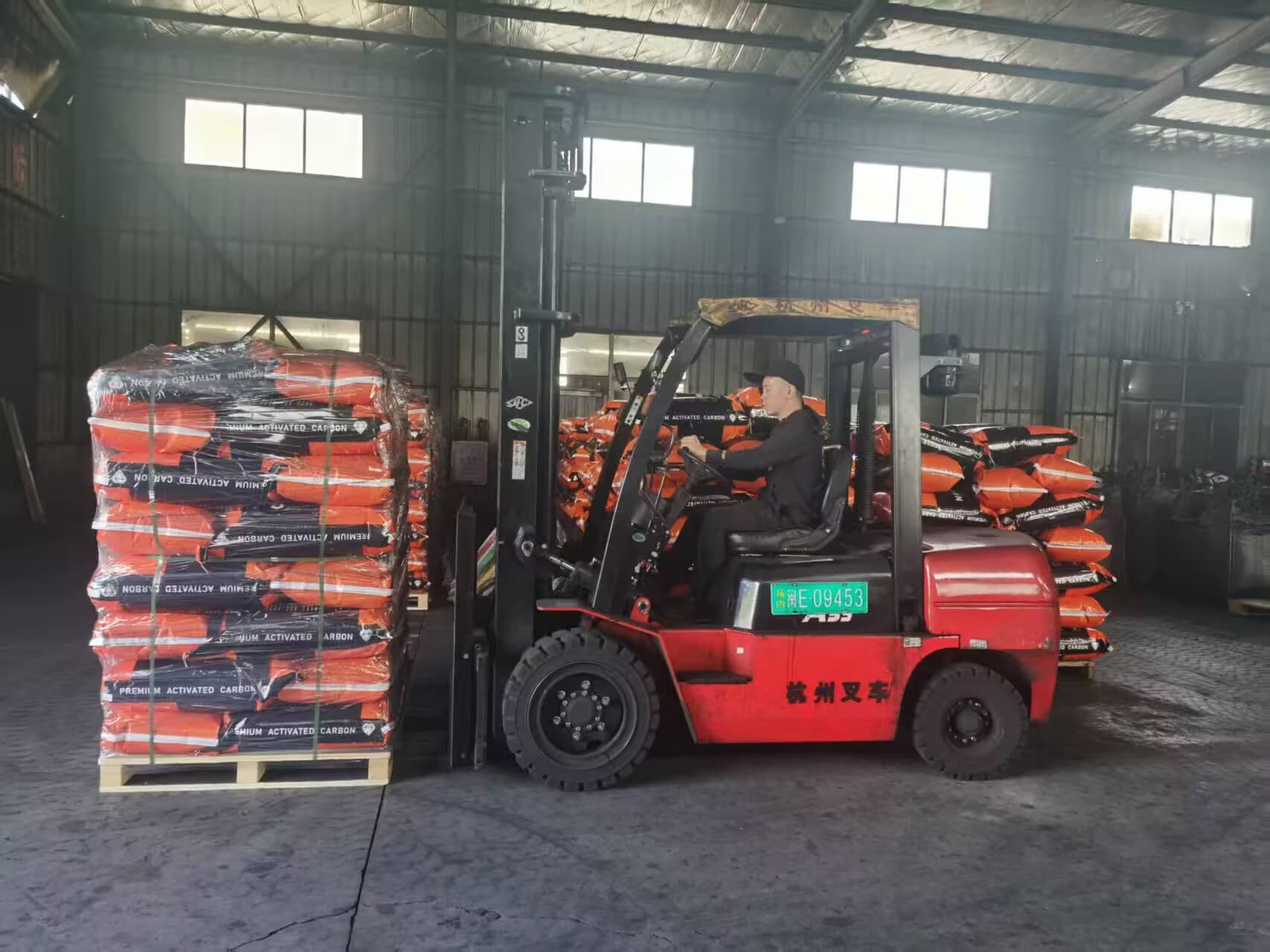
- ✅ Verify packaging (bulk bags, drums, or pallets) affects freight efficiency
- ✅ Confirm insurance coverage for high-value shipments
Frequently Asked Questions
How much does it cost to ship 1 ton of activated carbon from China?
As of April 2026, shipping 1 ton of activated carbon from China costs approximately:
- To Europe: $350-420/ton (20ft container, Cape route)
- To Middle East: $250-320/ton
- To North America: $320-380/ton
- To Southeast Asia: $75-110/ton
Rates decrease significantly for bulk orders (40ft containers or bulk vessels).
Why is activated carbon shipping so expensive in 2026?
Three main factors:
- Red Sea crisis: Forces longer Cape of Good Hope route (+3,000 miles)
- War risk surcharges: $300-600 per container for conflict zone avoidance
- Fuel costs: Longer routes consume 20-30% more bunker fuel
Can I ship activated carbon by air?
Yes, but it's 20-30x more expensive ($4.50-7.00/kg vs. $0.15-0.25/kg for sea freight). Air freight is only economical for:
- Emergency orders (production line down)
- Small quantities (under 1 ton)
- High-value specialty carbons (pharmaceutical-grade, impregnated types)
What's the cheapest way to import activated carbon?
For bulk buyers (50+ tons):
- Bulk vessel shipment (if port facilities allow) — lowest per-ton cost
- Full container load (FCL) — 40ft containers more economical than 20ft
- FOB terms — arrange your own freight to avoid supplier markup
- Long-term contracts — lock in rates and avoid spot market volatility
Do suppliers offer regional warehousing to reduce shipping costs?
Yes, many established suppliers (including us) maintain stock in:
- Europe: Rotterdam, Hamburg
- Middle East: Dubai, Jeddah
- Africa: Mombasa, Durban
- North America: Los Angeles, Houston
Regional warehousing reduces delivery time to 7-14 days and allows smaller MOQ (5-10 tons vs. 20+ tons for direct shipment).
Get a Transparent Freight Quote
At Activated Carbon Factory, we provide detailed freight breakdowns with every quote—no hidden surcharges, no markup on shipping costs. Our 15+ years of export experience and partnerships with top freight forwarders ensure you get competitive rates even in volatile markets.
What we offer:
- FOB, CFR, and CIF pricing for comparison
- Multiple route options (Suez vs. Cape) with transit time estimates
- Regional warehouse stock for faster delivery
- Volume discounts and long-term contract rates
- Transparent freight pass-through (actual carrier quotes)
Request Your Freight-Inclusive Quote
Tell us your destination, required quantity, and delivery timeline. We'll provide a detailed cost breakdown including current freight rates and alternative shipping options.
Get Freight Quote with Product Pricing