
You have sourced high-quality activated carbon with excellent iodine numbers and the right particle size for your application. But if it arrives at your facility with elevated moisture content, contaminated by odors from improper storage, or damaged by rough handling during transit, all that quality is compromised. Packaging and storage are not afterthoughts — they are critical links in the supply chain that directly affect product performance.
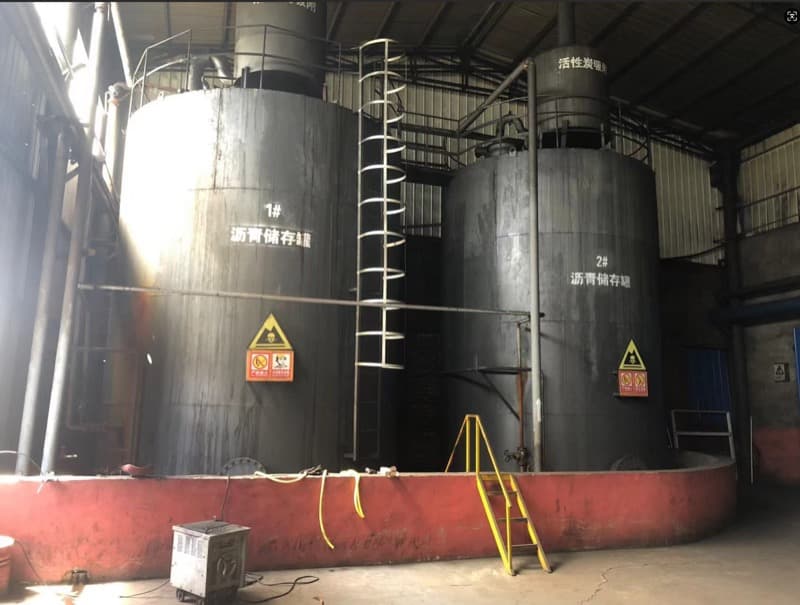
This guide covers everything buyers need to know about activated carbon packaging options, storage best practices, container loading, and shipping documentation. Whether you are importing a single pallet or full container loads of granular activated carbon or powdered activated carbon, these guidelines will help protect your investment.
Need activated carbon?
Get Factory-Direct Pricing — No Middlemen
20+ years manufacturing. MOQ 1 ton. Free samples. Reply within 2 hours.
1. Why Packaging Matters
Activated carbon works by adsorbing molecules onto its vast internal surface area — a single gram of high-quality activated carbon can have a surface area exceeding 1,000 square meters. This extraordinary adsorptive capacity is precisely what makes it vulnerable to improper packaging. Exposed to ambient air, activated carbon will adsorb moisture, volatile organic compounds, and odors from its surroundings, gradually reducing its available capacity for the intended application.
Moisture is the primary enemy. Activated carbon shipped with 5% moisture that arrives at 15% moisture due to poor packaging has lost significant adsorption capacity — and you are paying for water weight instead of active carbon. For powdered activated carbon (PAC), moisture can also cause caking and clumping, making it difficult to dose accurately.
Beyond moisture, physical damage during handling and transit can break granular carbon particles, increasing fines content and reducing the effective particle size distribution. This affects flow rates in fixed-bed adsorbers and can cause excessive pressure drop.
2. Common Packaging Types
PP Woven Bags (Polypropylene)
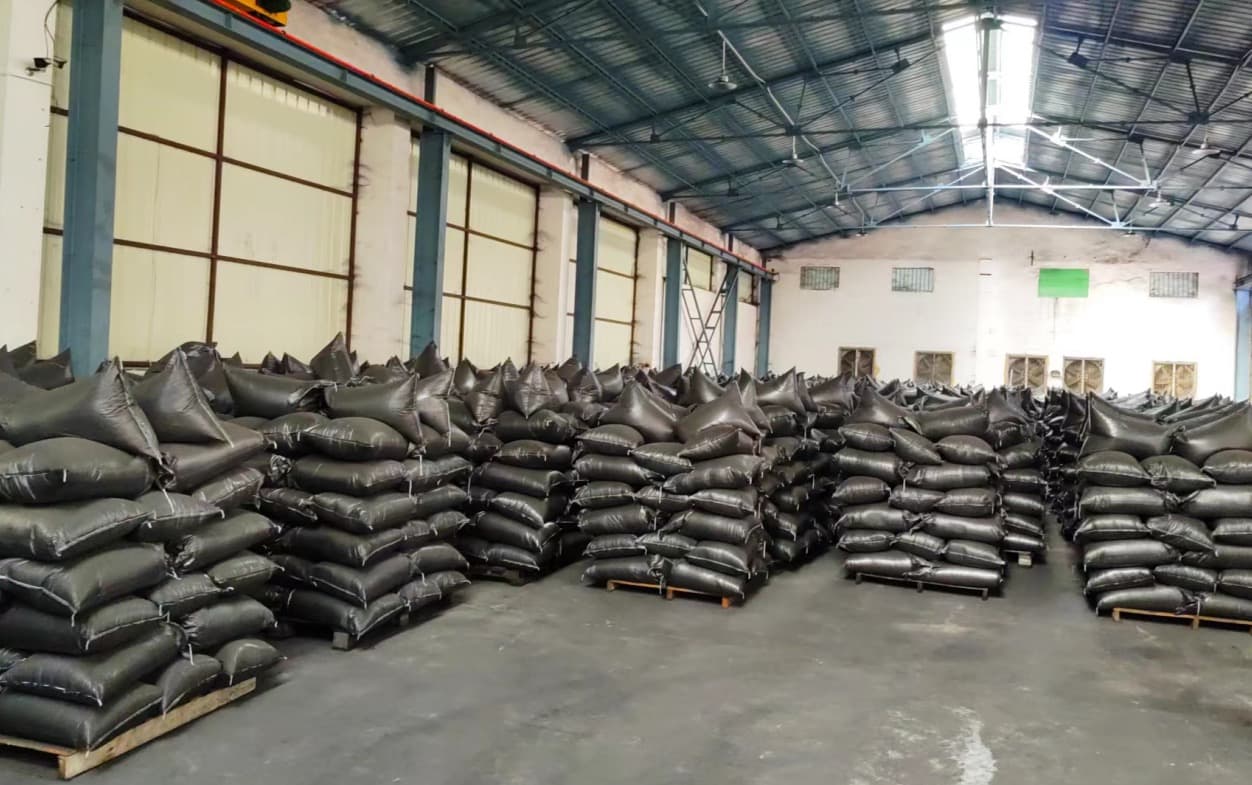
The most common packaging for activated carbon worldwide. PP woven bags are durable, cost-effective, and suitable for both granular and powdered carbon. Standard bags feature an inner PE (polyethylene) liner for moisture protection. The woven outer layer provides mechanical strength for stacking and handling.
Kraft Paper Bags
Multi-layer kraft paper bags (typically 3-4 layers) with a PE inner liner are used for food-grade and pharmaceutical-grade activated carbon. They provide a cleaner appearance and are preferred by buyers who need to maintain strict hygiene standards. However, they offer less moisture protection than PP bags in humid environments and are more susceptible to tearing.
FIBC / Jumbo Bags (Flexible Intermediate Bulk Containers)
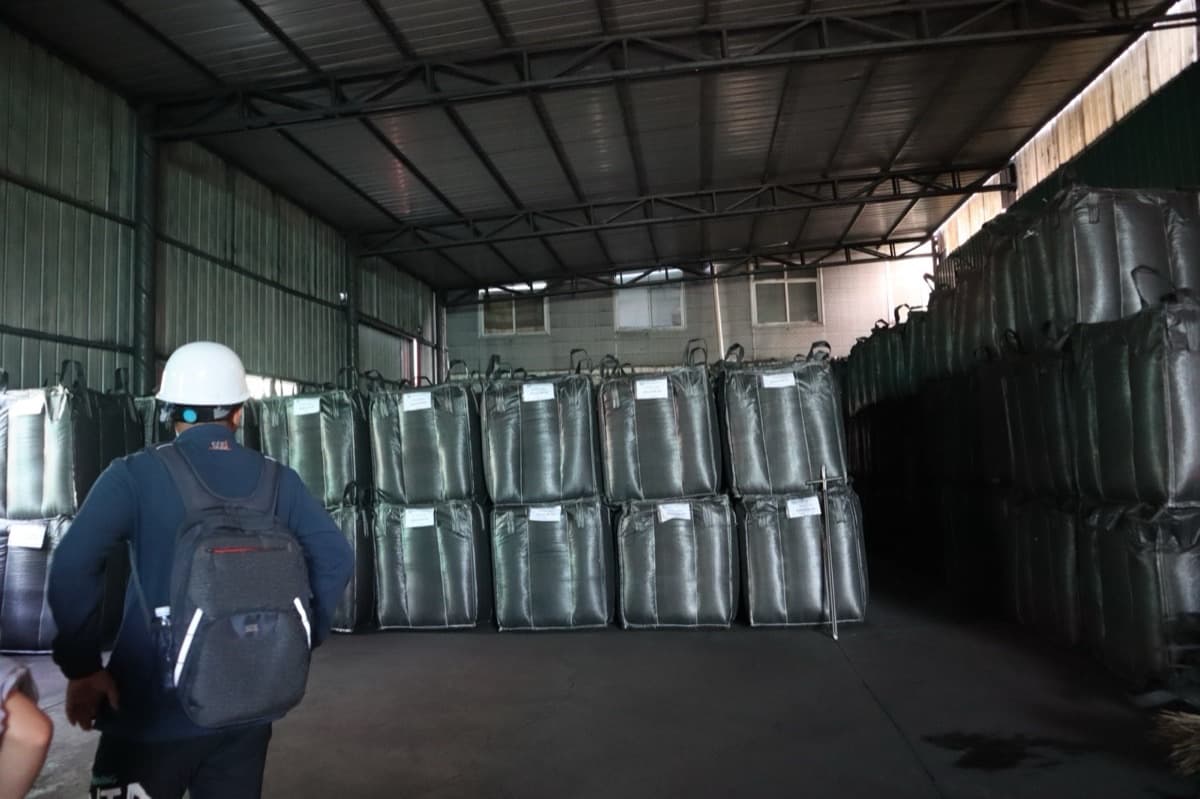
For bulk shipments, FIBC bags (also called jumbo bags, big bags, or super sacks) are the most efficient option. Standard FIBCs hold 500 kg or 1,000 kg of activated carbon. They feature lifting loops for forklift or crane handling, a discharge spout at the bottom for easy unloading, and an inner PE liner for moisture protection. FIBCs significantly reduce packaging waste and labor costs compared to individual 25 kg bags.
Steel or Fiber Drums
Drums are used for specialty activated carbons, impregnated carbons, or small-quantity shipments. Steel drums provide excellent moisture and contamination protection but are heavier and more expensive. Fiber drums with PE liners are a lighter alternative. Typical drum sizes are 25 kg, 50 kg, or 150 kg.
| Packaging Type | Typical Size | Best For | Moisture Protection |
|---|---|---|---|
| PP Woven Bag + PE Liner | 25 kg | General industrial use | Good |
| Kraft Paper Bag | 20–25 kg | Food-grade, pharma | Moderate |
| FIBC / Jumbo Bag | 500–1,000 kg | Bulk industrial orders | Good (with liner) |
| Steel Drum | 25–150 kg | Specialty / impregnated carbon | Excellent |
3. Standard Packaging Sizes
The activated carbon industry has settled on several standard packaging sizes that balance handling convenience, shipping efficiency, and storage practicality.
25 kg Bags
The global standard for individual bags. Easy to handle manually, stackable on pallets (typically 40 bags per pallet = 1,000 kg). Preferred for smaller orders, lab quantities, and markets where mechanical handling equipment is limited.
500 kg FIBC
Half-ton jumbo bags. Used when the buyer has forklift access but does not need full-ton quantities per bag. Common for water treatment plants with moderate consumption rates.
1,000 kg FIBC
The most cost-effective option for bulk buyers. Minimizes packaging material, reduces loading time, and lowers per-kg packaging cost. Requires forklift or crane for handling.
Custom packaging sizes are available upon request. Some buyers in specific markets prefer 20 kg, 30 kg, or 50 kg bags. For more details on ordering quantities and packaging options, see our bulk activated carbon import guide.
4. Moisture Barrier & Contamination Prevention
The inner PE liner is the primary moisture barrier in activated carbon packaging. For standard applications, a single PE liner (typically 0.08–0.12 mm thick) provides adequate protection. For shipments to tropical or high-humidity destinations, or for long storage periods, additional measures are recommended.
Aluminum foil laminate liners provide superior moisture barrier properties and are used for premium or moisture-sensitive products. Desiccant packets can be placed inside bags for extra protection during ocean freight. Shrink-wrapping pallets with stretch film adds another layer of protection against rain and condensation during transit.
Contamination prevention is equally important. Activated carbon must never be stored near chemicals, solvents, fuels, or strong-smelling materials — it will adsorb volatile compounds from the air. Packaging materials themselves must be clean and free of odors. For food-grade carbon, packaging must comply with food contact material regulations.
Pro Tip
When receiving a shipment, immediately check the moisture content of a random sample against the COA values. If moisture is significantly higher than specified, document it with photos and file a claim before unloading the entire container. Moisture gain during transit is a common dispute point.
5. Labeling Requirements for International Shipping
Proper labeling is essential for customs clearance, warehouse management, and regulatory compliance. Each bag or container of activated carbon should include the following information.
| Label Element | Details |
|---|---|
| Product Name | e.g., "Granular Activated Carbon, Coconut Shell, 8×30 Mesh" |
| Net Weight | In kg (and lbs for US market) |
| Batch / Lot Number | For traceability and quality tracking |
| Manufacturing Date | Month and year of production |
| HS Code | 3802.10 (activated carbon) |
| Country of Origin | "Made in China" or as applicable |
| Handling Instructions | "Keep Dry", "Store in Cool, Ventilated Area" |
| Manufacturer Info | Company name, address, contact |
Custom labeling with the buyer's brand, logo, and specific regulatory markings is available. Discuss labeling requirements with your supplier before production to avoid delays.
6. Storage Conditions
Proper storage is critical to maintaining activated carbon quality over time. The ideal storage environment has the following characteristics.
Temperature
Store at ambient temperature, ideally between 5°C and 35°C (41°F–95°F). Avoid extreme heat, which can accelerate desorption of previously adsorbed compounds in reactivated carbon. Avoid freezing conditions if the carbon has any moisture content.
Humidity
Keep relative humidity below 60% if possible. In tropical climates, use a covered, ventilated warehouse. Never store activated carbon outdoors or in open-sided structures where it is exposed to rain or high humidity.
Ventilation
Good air circulation prevents condensation buildup. However, avoid storing near air intakes that carry chemical fumes, exhaust, or strong odors — the carbon will adsorb them.
Separation
Store activated carbon away from chemicals, solvents, paints, fuels, and any strong-smelling materials. Use pallets to keep bags off the floor and away from potential water damage.
7. Shelf Life
Virgin (unused) activated carbon stored in sealed, original packaging under proper conditions has a shelf life of 2–3 years. The carbon itself does not degrade — it is thermally and chemically stable. What changes over time is the amount of moisture and ambient contaminants it adsorbs through the packaging.
To maximize shelf life: keep bags sealed until use, store in a dry and clean environment, and practice FIFO (first in, first out) inventory management. If carbon has been stored for more than 12 months, test a sample before use to verify that moisture content and adsorption capacity still meet specifications.
Once a bag is opened, use the contents as quickly as possible. Reseal opened bags tightly with tape or cable ties and use within 1–2 months. For powdered activated carbon, opened bags are particularly vulnerable to moisture absorption and should be used within days in humid environments.
8. Container Loading: 20ft vs 40ft
Most activated carbon is shipped in standard dry containers via ocean freight. Understanding container capacity helps you optimize order quantities and shipping costs.
| Container | 25 kg Bags (Palletized) | 25 kg Bags (Loose) | 1,000 kg FIBC |
|---|---|---|---|
| 20ft GP | ~16–18 MT | ~20–22 MT | ~18–20 MT |
| 40ft GP | ~22–24 MT | ~24–26 MT | ~22–24 MT |
| 40ft HC | ~24–26 MT | ~26–28 MT | ~24–26 MT |
Note: Actual loading capacity depends on the bulk density of the specific carbon product. Coconut shell carbon (bulk density ~0.48–0.52 g/mL) loads differently than coal-based carbon (~0.45–0.55 g/mL) or wood-based powdered carbon (~0.35–0.45 g/mL).
Palletized loading is recommended for easy unloading with forklifts but reduces total capacity by 10–15% compared to loose loading. Loose loading maximizes weight per container but requires manual unloading or specialized equipment at the destination.
9. Shipping Documentation
International shipments of activated carbon require several standard documents for customs clearance and regulatory compliance.
Commercial Invoice
Details the product, quantity, unit price, total value, payment terms, and Incoterms. Required for customs valuation.
Packing List
Itemizes the contents of each container — number of bags/FIBCs, net weight, gross weight, and dimensions.
Bill of Lading (B/L)
Issued by the shipping line. Serves as receipt of goods, contract of carriage, and document of title.
Certificate of Analysis (COA)
Batch-specific test results showing iodine number, moisture, ash, particle size, and other parameters per ASTM methods.
Certificate of Origin (CO)
Required by some countries for tariff determination. May need to be issued by the local chamber of commerce.
MSDS / SDS
Material Safety Data Sheet. Activated carbon is generally non-hazardous but an SDS is required for transport and workplace safety compliance.
For a comprehensive overview of the import process, including HS codes, duties, and logistics, see our bulk activated carbon import guide.
10. HojeeCarb Packaging Capabilities
At HojeeCarb, we offer flexible packaging options to meet the specific requirements of each customer and destination market.
Our standard packaging includes 25 kg PP woven bags with PE liner, 500 kg and 1,000 kg FIBCs with PE liner, and multi-layer kraft paper bags for food-grade products. Custom packaging — including private labeling, specific bag sizes, and special moisture barrier requirements — is available for orders above our minimum quantities.
Every shipment from HojeeCarb includes a complete documentation package: commercial invoice, packing list, COA, CO, and MSDS. We handle container loading at our factory with experienced loading teams and provide loading photos for your records. For specific packaging requirements or questions, contact our export team.
Frequently Asked Questions
What is the standard packaging for bulk activated carbon?
Standard options include 25 kg PP bags with PE liner, 500/1000 kg bulk bags (FIBCs), and 25 kg kraft paper bags for food/pharma grade. All should be moisture-proof and sealed. For export, bags are palletized and shrink-wrapped, typically 40 bags (1 MT) per pallet.
How should activated carbon be stored to maintain quality?
Store in a cool, dry, well-ventilated area away from sunlight and chemical fumes. Keep sealed until use. Maintain humidity below 60%. Store on pallets off the ground. Keep away from solvents and strong odors — carbon will adsorb anything, reducing available capacity.
What is the shelf life of properly stored activated carbon?
Properly stored in sealed, moisture-proof packaging, activated carbon maintains capacity for 2–3 years or longer. Key factors are keeping it dry and away from contaminants. Test iodine number and moisture before using carbon stored over 12 months.
Can activated carbon be damaged by freezing during shipping?
Carbon itself isn't damaged by freezing. However, if it has absorbed moisture and then freezes, ice crystals can cause pore damage and particle breakage. Ensure moisture content is within spec (<5% for GAC) before cold-weather shipping.
What labeling information should be on activated carbon packaging?
Labels should include: product name and grade, raw material type, particle size, key specs (iodine number, CTC, moisture, ash), net weight, lot number, manufacturing date, manufacturer info, handling instructions, certifications, and for export, HS code and country of origin.
Ready to Order?
HojeeCarb offers flexible packaging, competitive pricing, and reliable shipping to 50+ countries. Tell us your product requirements and destination — we'll handle the rest.