
Activated Carbon Fiber (ACF): Properties, Applications & Buyer's Guide 2026
ACF search interest has climbed 110% in the past year as supercapacitor manufacturers, industrial air treatment OEMs, and protective equipment producers race to lock in supply. This guide covers everything buyers need: fiber types, key performance specs, application selection matrix, and how to evaluate Chinese ACF suppliers.
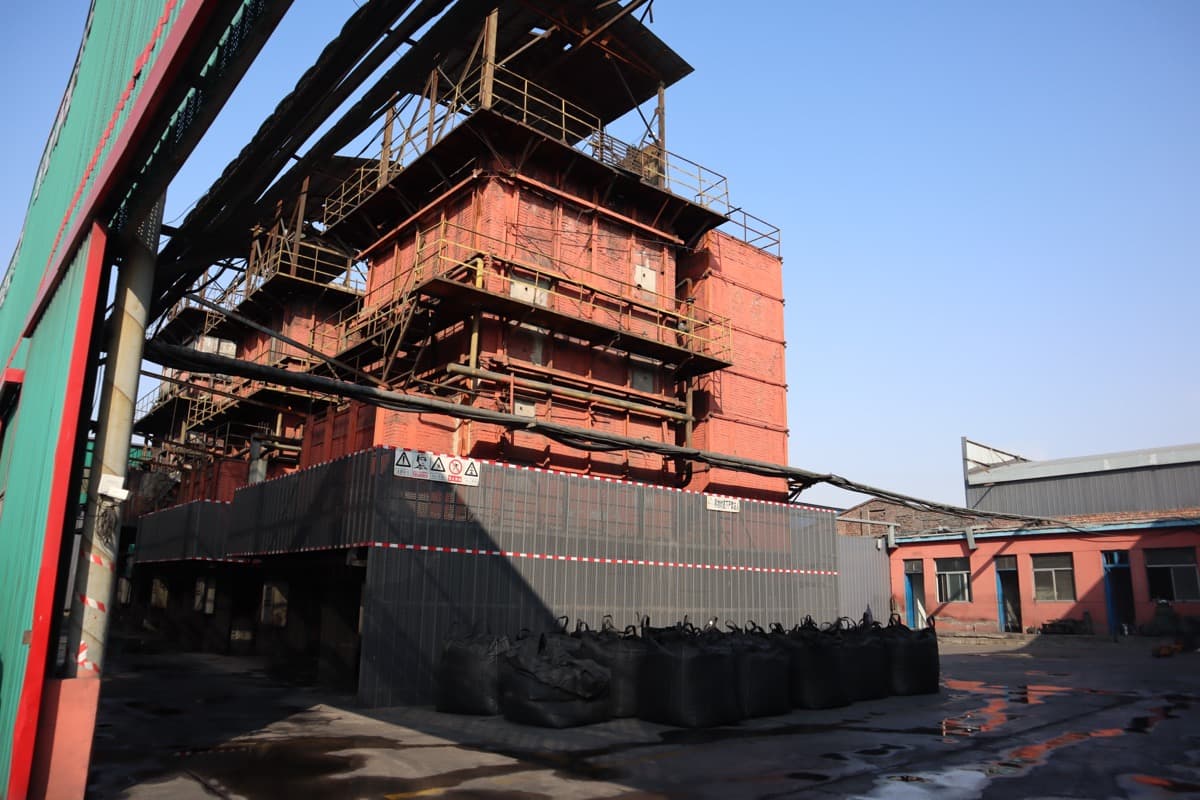
ACF production at our manufacturing facility — fiber activation at controlled atmosphere
Need activated carbon?
Get Factory-Direct Pricing — No Middlemen
20+ years manufacturing. MOQ 1 ton. Free samples. Reply within 2 hours.
1. What Is Activated Carbon Fiber?
Activated carbon fiber (ACF) is a porous carbon material produced by carbonizing and chemically or steam-activating fibrous precursors — most commonly polyacrylonitrile (PAN), pitch, rayon (cellulose), or phenolic resin. The result is a fiber with diameters of 5–15 μm, a BET surface area of 800–2,500 m²/g, and a micropore structure dominated by pores of 0.5–2 nm — the optimal range for adsorbing volatile organic compounds, odors, and small organic molecules.
The key structural advantage over granular or pelletized activated carbon is the short diffusion path. In GAC, an adsorbate molecule must diffuse from the particle surface through a tortuous macropore/mesopore network before reaching a micropore adsorption site — a path measured in millimeters. In ACF, that path is measured in micrometers, giving ACF adsorption kinetics 5–10× faster than comparable granular carbon.
This speed advantage makes ACF particularly valuable in low-concentration, high-flow applications: trace VOC removal from industrial exhaust streams, sub-ppm organic polishing in pharmaceutical wastewater, and high-power discharge in supercapacitor electrodes where ion transport speed directly determines capacitance.
2. ACF vs. Granular Activated Carbon: Key Differences
GAC remains the dominant form of activated carbon by volume — it's cheaper, easier to handle in bulk, and suitable for most water and air treatment applications. ACF is a specialty material that commands a price premium (typically 3–8× GAC per kg) in exchange for specific performance advantages. The table below guides the selection decision:
| Property | ACF | Granular AC (GAC) | Winner |
|---|---|---|---|
| BET Surface Area | 1,000–2,500 m²/g | 800–1,200 m²/g | ACF |
| Adsorption Kinetics | Very fast (μm diffusion path) | Moderate (mm diffusion path) | ACF |
| Pressure Drop | Low (fibrous structure) | Moderate to high | ACF |
| Micropore Uniformity | Narrow distribution (0.5–2 nm) | Broad distribution | ACF |
| Regeneration Ease | Steam regen: 30–60 min @ 120°C | Thermal: 4–8 hr @ 800°C | ACF |
| Bulk Handling | Sheets/rolls, easy to fabricate | Free-flowing granules, easy to transport | GAC |
| Cost per kg | $15–80/kg (specialty) | $1–5/kg (commodity) | GAC |
| Water Treatment Volume | Low (polishing only) | High (primary treatment) | GAC |
| Flex/Wearable Use | Yes (cloth/felt forms) | No | ACF |
| Energy Storage (EDLC) | Excellent (high conductivity + SA) | Limited | ACF |
Bottom line: Choose GAC for bulk water treatment, commodity air treatment, and any application where cost per kg drives the decision. Choose ACF where kinetics matter (trace contaminants at high flow rates), where flexible form factor is required (protective clothing, compact filters), or where energy storage performance justifies the premium.
3. Types of ACF: Cloth, Felt, Paper & Composite
ACF is manufactured in four primary physical forms, each suited to different end-use configurations:
ACF Cloth (Woven Fabric)
Woven from ACF yarns. Highest mechanical strength. Used in industrial solvent recovery cartridges, canister respirators, and military protective garments. Typical areal weight: 100–300 g/m². Easy to heat-seal, stitch, or laminate. Most suitable for cyclic regeneration applications.
ACF Felt (Nonwoven)
Needled or thermally bonded fiber mat. Lower pressure drop than woven cloth — critical for HVAC panels and high-flow air treatment. Surface area slightly lower than cloth due to bonding process. Common in air conditioner filters, odor control panels, and water filter cartridges. Most common form in B2B volume purchasing.
ACF Paper
Thin sheet (0.2–0.8 mm) formed by wet-laying short ACF fibers with binders. Used in compact respirator canisters, inline gas sensors, and auto cabin filters. Extremely low basis weight (30–80 g/m²). Limited regeneration cycles. Best for single-use or low-replacement-frequency applications.
ACF Composite
ACF bonded to HEPA media, polyester backing, or metallic mesh. Combines particle filtration (HEPA layer) with chemical adsorption (ACF layer) in one assembly. Common in pharmaceutical cleanrooms, semiconductor fab exhaust, and military NBC filtration systems. Higher cost but eliminates the need for separate filter stages.
4. Technical Specifications & What They Mean
When evaluating ACF suppliers, request and verify these parameters. Certificate of Analysis (COA) should accompany every shipment.
| Parameter | Typical Range | Why It Matters |
|---|---|---|
| BET Surface Area (m²/g) | 800–2,500 | Higher = more adsorption capacity per gram |
| Micropore Volume (cm³/g) | 0.35–1.10 | Micropores control VOC and small-molecule adsorption |
| Average Pore Diameter (nm) | 0.5–2.0 | Must match target molecule size; too large = low selectivity |
| Iodine Number (mg/g) | 900–1,800 | Standard proxy for adsorption capacity (compare to GAC: 800–1,100) |
| Fiber Diameter (μm) | 5–15 | Thinner = faster kinetics, but lower mechanical strength |
| Tensile Strength (N/m) | 50–300 | Critical for woven cloth in high-vibration applications |
| Ash Content (%) | < 3% | High ash = impurities that reduce adsorption and cause batch variance |
| Moisture Content (%) | < 5% | High moisture = premature breakthrough; check storage conditions |
| Electrical Conductivity (S/cm) | 0.1–10 | Key for EDLC supercapacitor electrode applications |
| Areal Weight (g/m²) | 80–500 | Determines filter capacity per unit area for system sizing |
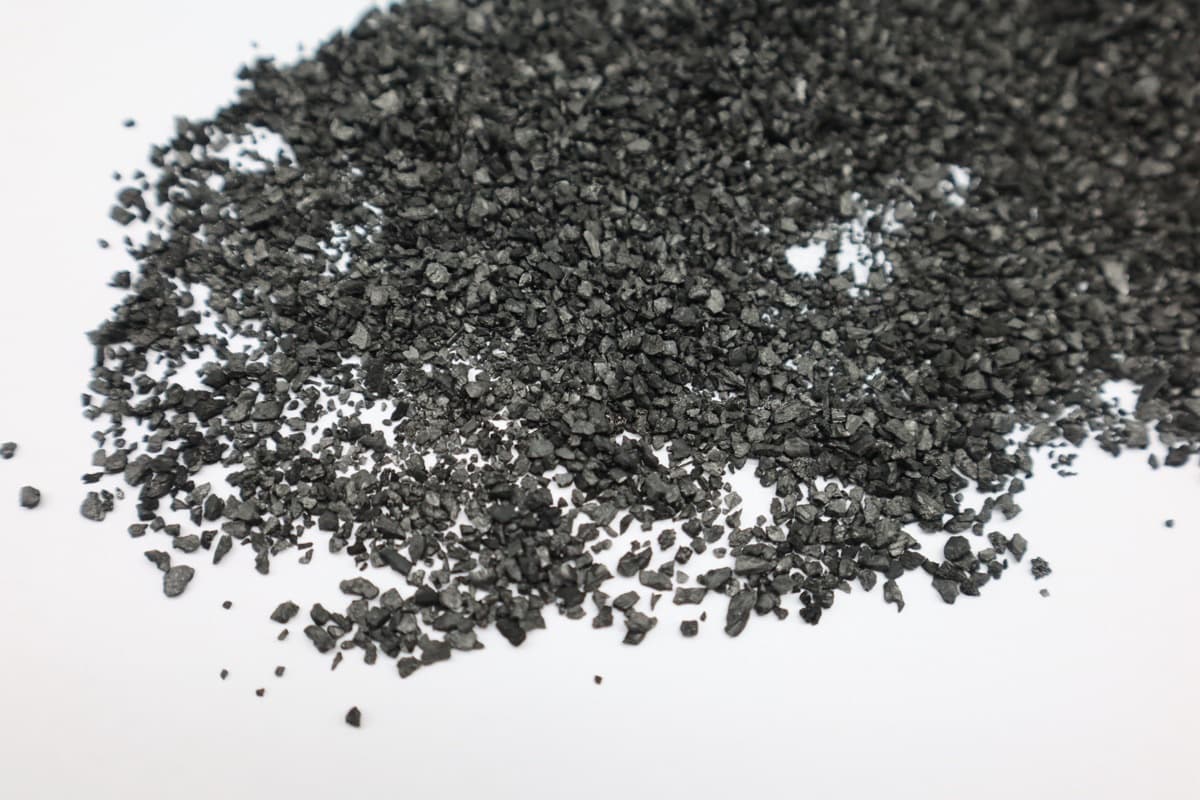
Our QC lab tests BET surface area, iodine number, and ash content on every ACF production batch
5. Application Guide: Which ACF for Which Industry?
Air Purification & VOC Control
This is the largest ACF application segment globally. ACF felt panels replace GAC beds in systems where rapid adsorption of trace-level contaminants (sub-ppm VOCs) at high face velocities is needed. Industrial exhaust systems treating acetone, toluene, xylene, and methyl ethyl ketone (MEK) at concentrations below 500 mg/m³ achieve 95–99% removal with ACF felt at face velocities of 0.5–1.5 m/s — typically 2–3× higher than GAC bed systems. Market leaders Haycarb PLC and Donau Carbon GmbH have expanded ACF offerings specifically for this segment.
Recommended spec: ACF felt, BET 1,000–1,500 m²/g, areal weight 200–400 g/m², iodine number ≥1,000 mg/g.
Energy Storage — Supercapacitors (EDLC)
Supercapacitor manufacturers (Maxwell, Panasonic, LS Mtron) require activated carbon with BET surface area above 1,500 m²/g, high micropore volume, and electrical conductivity above 1 S/cm for electrode production. ACF cloth — particularly PAN-based fibers — has become the electrode material of choice for cylindrical EDLC supercapacitors where both energy density and cycle life matter. According to Fortune Business Insights, the global supercapacitor carbon market is accelerating in 2025–2026, with Cabot Corporation, Haycarb, and Calgon Carbon all expanding ACF capacity for this segment.
A 2026 research synthesis in Physica Status Solidi (a) confirmed that organic waste-derived ACF can match commercial grades in supercapacitor electrochemical performance — reinforcing the trend toward lower-cost ACF feedstocks in energy storage manufacturing.
Recommended spec: ACF cloth, PAN or pitch-based, BET ≥ 1,500 m²/g, conductivity ≥ 1 S/cm, ash content < 1%.
Water Treatment Polishing
For trace organics (pharmaceutical residues, endocrine disruptors, micro-contaminants) below the detection threshold for GAC beds, ACF filter modules achieve effluent levels in the ppt range. Pharmaceutical wastewater, semiconductor rinsewater, and high-purity process water systems benefit from ACF's superior kinetics when space constraints prevent the long contact times (EBCT ≥ 10 min) required for GAC. A 2025 review in Water journal confirmed ACF composites as effective for emerging contaminants including PFAS short-chain compounds where GAC breakthrough occurs rapidly.
Recommended spec: ACF felt or composite, BET 800–1,500 m²/g, NSF/ANSI 61 compliant (if for potable water contact).
Protective Equipment & Medical
Military NBC suits, industrial respirators, and medical wound dressings use ACF cloth for its combination of adsorption capacity and flexibility. Kuraray Co. has produced ACF for protective garments since 1980 and remains the quality benchmark. Chinese manufacturers offer comparable specifications at significantly lower cost for commercial (non-military) applications. Medical-grade ACF for wound management requires biocompatibility certification and strict contaminant limits (heavy metals, ash).
6. Market Trends 2025–2026
The activated carbon fiber market is at an inflection point, driven by three converging forces:
🔋 Supercapacitor Boom
Grid-scale energy storage mandates in the EU and US are driving supercapacitor demand. ACF electrode materials for EDLC cells are a direct beneficiary. Cabot Corporation has announced capacity expansion specifically for supercapacitor carbon. MarketsandMarkets projects the ACF market to grow at CAGR 8–12% through 2030, with energy storage as the fastest segment.
🌿 Tightening Air Quality Regulations
The EU Industrial Emissions Directive (IED) and US EPA MACT standards are compelling industrial facilities to upgrade from GAC beds to higher-performance ACF systems for VOC control. Pharmaceutical, semiconductor, and chemical manufacturing are highest-impact sectors.
🏭 China Manufacturing Scale-Up
Chinese ACF producers have significantly closed the quality gap with Japanese (Kuraray, Osaka Gas) and US (Cabot) suppliers. PAN-based ACF from Jiangsu and Shandong-based manufacturers now meets international BET and conductivity specifications at 30–50% lower cost. This is opening ACF to mid-market applications previously priced out by Japanese suppliers.
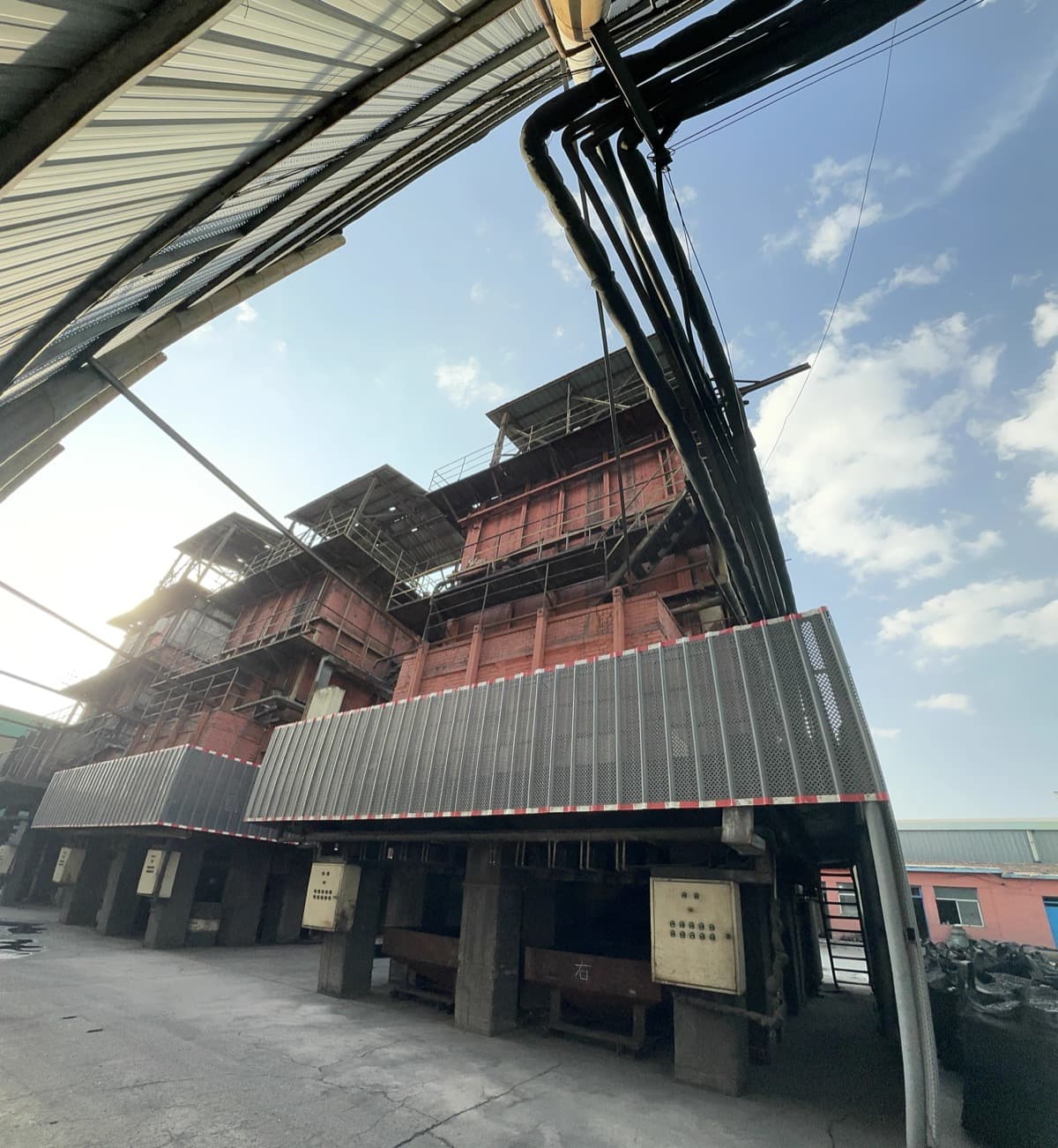
Our activation furnace line — 15+ years manufacturing specialized carbon products for industrial clients
7. How to Source ACF from China: Buyer's Checklist
Chinese ACF production has matured significantly. Most reputable manufacturers are located in Jiangsu, Shandong, and Zhejiang provinces. When evaluating suppliers, use this checklist:
Request full COA with BET, micropore volume, iodine number, and ash content for the specific lot
Ask for SEM (scanning electron microscopy) images of fiber cross-section to verify fiber diameter uniformity
For EDLC applications: request electrochemical test data (CV curves, specific capacitance at 1 A/g)
Verify ISO 9001 certification and check if the factory has REACH/RoHS compliance documentation for EU export
Sample order first: 1–5 kg minimum for testing before committing to production quantities
Check moisture content on receipt — ACF absorbs ambient moisture quickly; packaging should be vacuum-sealed with desiccant
Confirm lead time: standard ACF cloth/felt is 15–25 days; custom BET specifications may require 30–45 days
For protective equipment applications: verify fiber tensile strength and confirm no binder leaching under operational conditions
💡 MOQ & Pricing Reference (2026)
FOB China. Prices vary by precursor type (PAN vs pitch), surface area spec, and order volume. Contact us for a volume-based quote.
Frequently Asked Questions
What is activated carbon fiber (ACF) and how is it different from granular activated carbon?
Activated carbon fiber (ACF) is made by carbonizing and activating precursor fibers (PAN, pitch, cellulose) into a fibrous form with micropore diameters of 0.5–2 nm and BET surface areas of 1,000–2,500 m²/g. Unlike granular activated carbon (GAC), ACF has a uniform micropore structure, much shorter adsorption diffusion paths (micrometers vs millimeters), and can be woven or felted into flexible sheets. This makes ACF 5–10× faster at adsorbing low-concentration contaminants than granular or pelletized carbon.
What are the main applications of activated carbon fiber?
ACF is used in: (1) industrial air purification — solvent recovery, VOC removal, H₂S scrubbing; (2) water treatment — trace organics removal, pharmaceutical wastewater polishing; (3) energy storage — supercapacitor electrodes (EDLC) where high surface area + electrical conductivity are critical; (4) protective clothing and gas masks — military and industrial safety; (5) medical applications — wound dressings, drug delivery matrices. The air purification and energy storage segments are growing fastest in 2025–2026.
How do I choose between ACF cloth, ACF felt, and ACF paper?
ACF cloth (woven fabric) is best for reusable filter cartridges and industrial solvent recovery systems where periodic regeneration is planned. ACF felt (nonwoven) is preferred for HVAC filtration, odor control panels, and protective equipment due to its lower pressure drop and easier fabrication. ACF paper is used in thin-profile applications like canister respirators and compact air quality sensors. For water treatment, ACF felt modules are most common. For supercapacitor electrodes, ACF cloth with controlled surface area (1,500–2,000 m²/g) is standard.
Can activated carbon fiber be regenerated?
Yes. ACF regenerates more easily than GAC due to its thin fiber structure. Steam regeneration at 120–150°C restores 90–95% of adsorption capacity in 30–60 minutes — versus 4–8 hours for GAC thermal reactivation at 800°C. Electrical regeneration (Joule heating) is also possible for ACF thanks to its electrical conductivity, enabling in-situ regeneration without removing the filter. This makes ACF cost-effective in cyclic industrial solvent recovery applications.
What is the typical BET surface area and iodine number of ACF?
Commercial ACF typically has: BET surface area 800–2,500 m²/g (versus 800–1,200 m²/g for GAC); iodine number 900–1,800 mg/g; micropore volume 0.35–1.1 cm³/g; average pore diameter 0.5–2.0 nm; and fiber diameter 5–15 μm. High-performance ACF for supercapacitors targets BET > 2,000 m²/g with low mesopore content for maximum capacitance density. Standard air purification ACF typically has BET 1,000–1,500 m²/g.
Related Guides
Request ACF Samples & Specifications
We supply activated carbon fiber cloth, felt, and composite materials for air purification, energy storage, and water treatment applications. Tell us your target BET surface area, form factor, and order volume — we'll send technical data sheets and a quote within 24 hours.
Request ACF Sample & Quote