
Carbon capture is no longer a distant promise — it's a $4.2 billion market growing at 14.6% CAGR through 2030. And activated carbon, one of the oldest adsorption materials known to industry, is finding a powerful new role in this space.
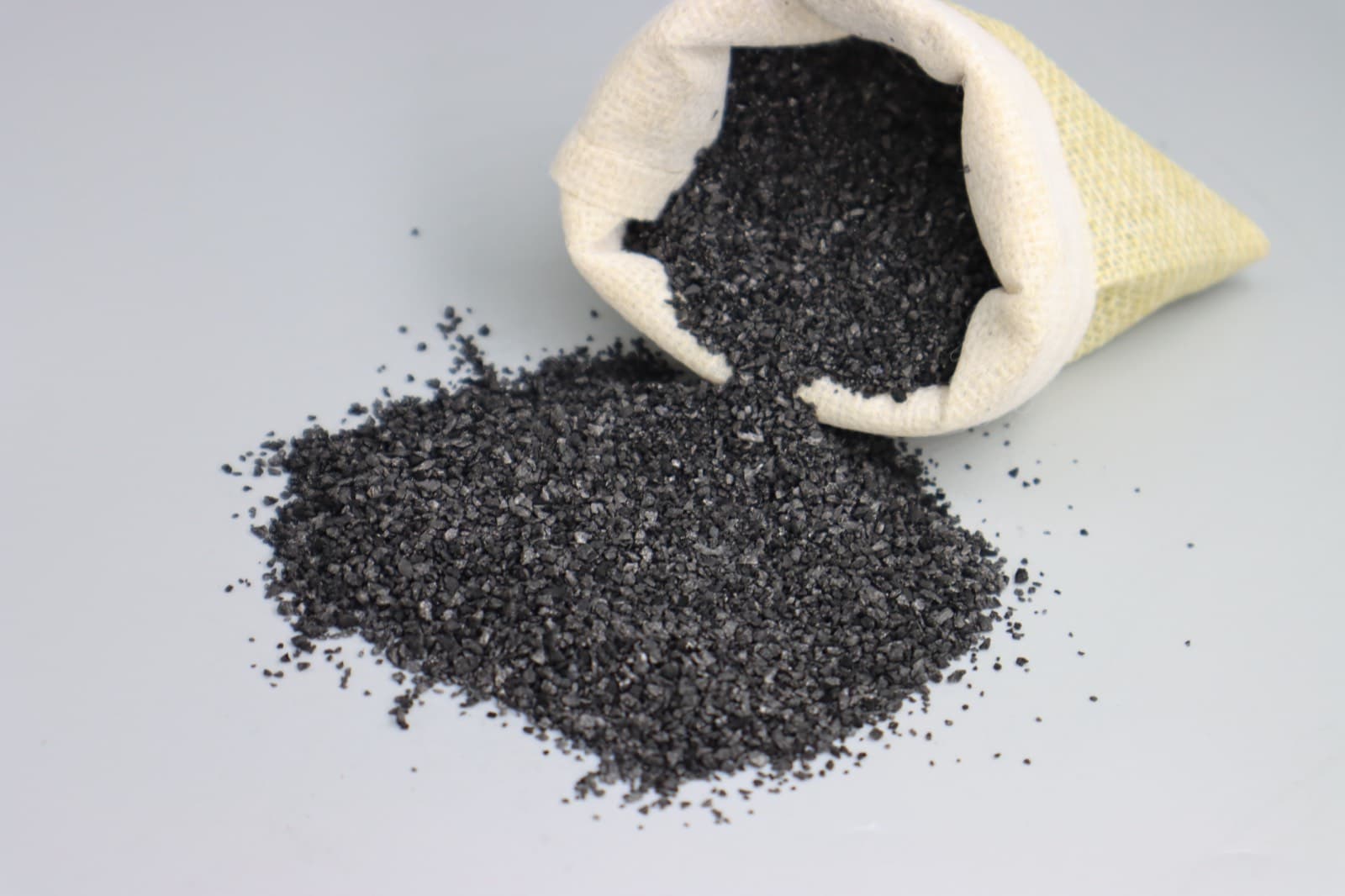
While amine scrubbing dominates large-scale post-combustion capture today, activated carbon-based adsorption systems offer compelling advantages: lower energy penalties, no corrosive chemicals, simpler operation, and significantly lower capital costs for small-to-medium installations.
In this guide, we cover the science behind AC-based CO2 capture, compare process technologies (PSA, TSA, VSA), review the latest research breakthroughs — including Cambridge University's electrochemical AC "sponge" — and explain what specifications matter when sourcing activated carbon for carbon capture projects.
Need activated carbon?
Get Factory-Direct Pricing — No Middlemen
20+ years manufacturing. MOQ 1 ton. Free samples. Reply within 2 hours.
How Activated Carbon Captures CO2: The Science
Activated carbon captures CO2 primarily through physisorption — van der Waals forces attract CO2 molecules into the microporous structure of the carbon. Unlike chemisorption (used in amine systems), physisorption is reversible with relatively small energy input, making regeneration straightforward.
Key Adsorption Mechanisms
- Micropore filling: CO2 molecules (kinetic diameter 3.3 Å) preferentially fill micropores in the 5–7 Å range.
- Surface chemistry: Nitrogen-containing functional groups create Lewis base sites that enhance CO2 interaction.
- Electrostatic interaction: CO2's quadrupole moment interacts with polar surface groups, providing selectivity over N2.
Why Pore Structure Matters
Not all activated carbon works equally for CO2 capture. The critical factor is micropore volume in the 5–8 Å range, not total BET surface area. A carbon with 1,200 m²/g BET but high mesopore ratio will underperform a 900 m²/g carbon with concentrated microporosity.
CO2 Adsorption Performance by Carbon Type
| Carbon Type | BET Surface Area | CO2 Capacity (25°C, 1 bar) | CO2/N2 Selectivity | Best For |
|---|---|---|---|---|
| Coconut shell GAC | 1,000–1,300 m²/g | 80–120 mg/g | 8–12 | PSA systems, biogas upgrading |
| Coal-based GAC | 800–1,100 m²/g | 60–90 mg/g | 6–9 | Flue gas pre-treatment |
| N-doped AC (KOH activated) | 1,500–2,800 m²/g | 120–180 mg/g | 15–25 | High-purity CO2 recovery |
| Amine-impregnated AC | 600–1,000 m²/g | 100–160 mg/g | 20–40 | Direct air capture, low-concentration |
| Activated carbon fiber (ACF) | 1,200–2,000 m²/g | 90–140 mg/g | 10–18 | Rapid-cycle systems (fast kinetics) |
Data compiled from peer-reviewed literature (2023–2026). Actual performance varies with gas composition, humidity, and operating conditions.
CO2 Capture Process Technologies Using Activated Carbon
Three main adsorption-based processes use activated carbon for CO2 separation. Each has distinct advantages depending on scale, CO2 concentration, and purity requirements.
1. Pressure Swing Adsorption (PSA)
PSA is the most commercially mature AC-based CO2 capture technology. It operates by cycling between high-pressure adsorption (5–10 bar) and low-pressure desorption (near atmospheric).
- No heating required — lower energy penalty than TSA
- Fast cycle times (2–10 minutes) — compact equipment
- 85–95% CO2 purity achievable with multi-bed configurations
- Proven at scale for biogas upgrading (CH4/CO2 separation)
Typical AC specification for PSA: Coconut shell GAC, 4×8 or 6×12 mesh, iodine number >1,050 mg/g, moisture <5%, hardness >95%. Our coconut shell GAC meets these requirements.
2. Temperature Swing Adsorption (TSA)
TSA regenerates the carbon bed by heating to 100–150°C, then cooling for the next adsorption cycle. It's slower than PSA (cycle times 30 min–2 hours) but achieves higher CO2 purity (>95%).
- Higher working capacity per cycle than PSA
- Better suited for waste heat integration (cement plants, steel mills)
- Amine-functionalized AC preferred for enhanced selectivity
- Energy penalty: 2.5–4.0 GJ/ton CO2 (vs 3.5–4.5 for amine scrubbing)
3. Vacuum Swing Adsorption (VSA)
VSA combines elements of both: adsorption at near-atmospheric pressure, desorption under vacuum (0.05–0.3 bar). It's gaining traction for post-combustion capture.
- Lower compression energy than PSA
- Suitable for flue gas (10–15% CO2 at ~1 bar)
- CO2 recovery rates of 80–90%
- Often combined with TSA in hybrid VTSA configurations
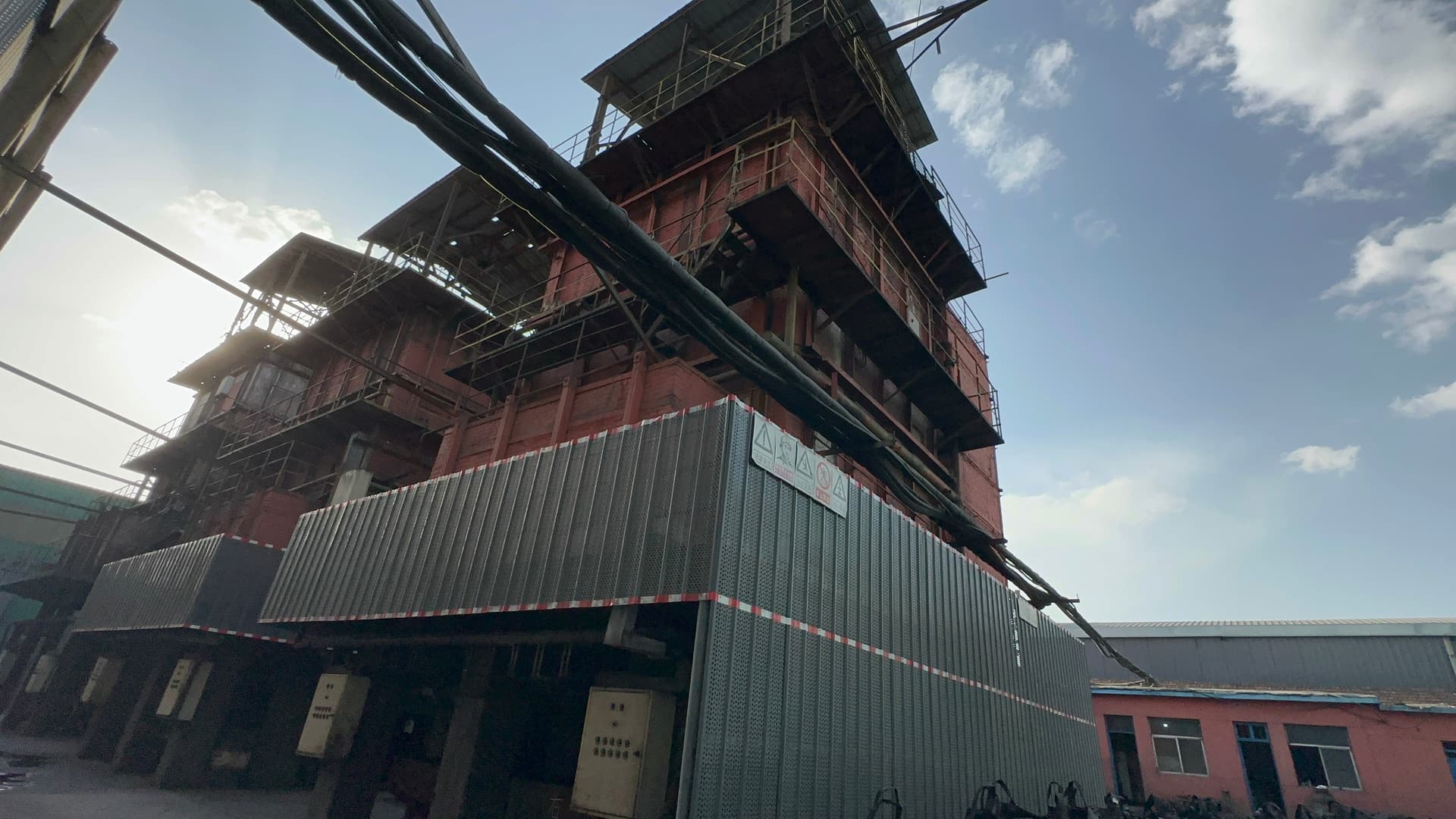
Our activation furnace produces high-micropore-volume carbon suitable for gas-phase adsorption and CO2 capture applications.
Real-World Applications of AC-Based CO2 Capture
Biogas Upgrading (Largest Current Market)
Biogas from anaerobic digestion typically contains 35–45% CO2 and 55–65% CH4. PSA with activated carbon is the dominant upgrading technology, producing pipeline-quality biomethane (>97% CH4). The global biogas upgrading market reached $1.2 billion in 2025.
For biogas PSA, we recommend our 4×8 mesh coconut shell GAC with iodine number ≥1,100 mg/g. See our biogas purification guide for detailed specifications.
Post-Combustion Flue Gas Capture
Coal and natural gas power plants produce flue gas with 4–15% CO2. While amine scrubbing dominates this segment, VSA/VTSA systems using activated carbon are being piloted at several facilities worldwide, offering lower capital cost for plants under 100 MW, no solvent degradation, and modular deployment capability.
Direct Air Capture (DAC)
Capturing CO2 from ambient air (~420 ppm) is the frontier application. Two innovations are making AC viable for DAC:
- Amine-functionalized AC: Grafting PEI onto high-surface-area AC creates chemisorption sites that capture CO2 even at 400 ppm, with capacities of 80–120 mg/g.
- Electrochemical AC (Cambridge breakthrough): Applying a small voltage to adsorb CO2, then reversing polarity to release it — eliminating the thermal energy penalty entirely.
Industrial Process Gas Purification
Beyond power generation, activated carbon captures CO2 in hydrogen purification (SMR plants), natural gas sweetening, cement and steel production, and fermentation off-gas recovery for food-grade CO2.
2026 Breakthrough: Cambridge's Electrochemical AC Sponge
In early 2026, researchers at the University of Cambridge demonstrated an electrochemical activated carbon "sponge" that captures CO2 directly from air:
- No heat required: Energy penalty drops to ~1.5 GJ/ton CO2 (vs 3–4 GJ for thermal methods).
- Works at ambient conditions: No pressurization or vacuum needed.
- Scalable material: Standard activated carbon with electrochemical modification.
- Rapid cycling: Adsorption-desorption cycles complete in minutes.
While still at laboratory scale, this technology could make activated carbon the material of choice for next-generation DAC systems.
Activated Carbon vs Other CO2 Sorbents
| Sorbent | Cost ($/ton) | CO2 Capacity | Regen Energy | Cycle Life | Moisture Tolerance |
|---|---|---|---|---|---|
| Activated Carbon | $800–2,500 | 60–180 mg/g | Low–Medium | >10,000 | Good |
| Zeolite 13X | $3,000–10,000 | 100–200 mg/g | Medium–High | >5,000 | Poor |
| MOFs | $10,000–50,000+ | 150–400 mg/g | Low–Medium | 1,000–5,000 | Variable |
| Amine Solutions | $1,500–3,000 | High (liquid) | High (3.5–4.5 GJ/t) | Degrades | N/A |
Sourcing Activated Carbon for CO2 Capture Projects
Critical Specifications
- Micropore volume: ≥0.40 cm³/g, ideally >0.50 cm³/g — the single most important parameter for CO2 capacity.
- Pore size distribution: Concentrated in 5–8 Å range. Request DFT pore size analysis from your supplier.
- BET surface area: ≥1,000 m²/g for standard AC; ≥1,500 m²/g for high-performance grades.
- Hardness: ≥95% for PSA applications — the carbon must withstand thousands of pressure cycles.
- Moisture content: <5% — water competes with CO2 for adsorption sites.
- Ash content: <5% for standard, <3% for high-purity applications.
Recommended Products
- PSA/biogas upgrading: Coconut shell GAC 4×8 mesh — iodine 1,100+ mg/g, hardness 97%, micropore volume 0.48 cm³/g
- Flue gas pre-treatment: Coal-based GAC 4×8 mesh — cost-effective for high-volume applications
- H2S + CO2 co-removal: Impregnated activated carbon — KOH or NaOH impregnation for simultaneous acid gas removal
At Hojee, we provide full characterization data including DFT pore size distribution and CO2 isotherms for our gas-phase carbon grades. Request CO2 capture carbon samples to test in your pilot system.
Market Outlook: Activated Carbon in Carbon Capture (2026–2030)
- Carbon pricing expansion: EU ETS above €80/ton; US 45Q tax credit at $85/ton for geological storage.
- Biogas boom: Global installations grew 12% in 2025. Each plant needs 5–50 tons of AC for PSA upgrading.
- Hydrogen economy: Blue hydrogen via SMR with CCS is scaling. PSA systems using AC are integral to H2 purification.
- DAC investment surge: Over $3 billion committed globally. Electrochemical AC technology could drive specialized carbon demand.
- Hard-to-abate sectors: Cement and steel are piloting AC-based capture as alternatives to amine plants.
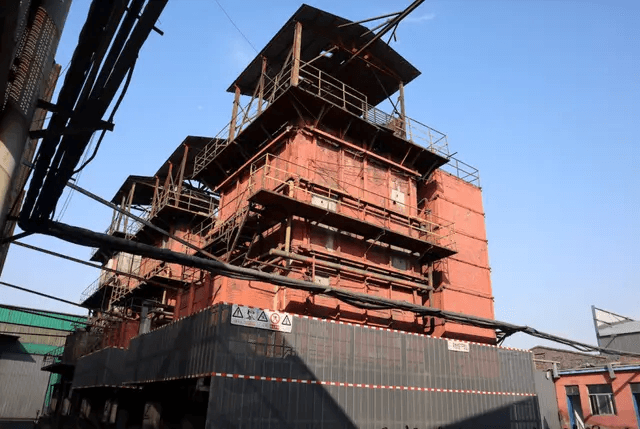
Our manufacturing facility produces activated carbon optimized for gas-phase applications including CO2 capture, biogas upgrading, and VOC removal.
Frequently Asked Questions
Can activated carbon capture CO2 from the atmosphere?
Yes. Activated carbon can adsorb CO2 through physisorption in its micropores. While traditional AC has moderate CO2 selectivity, recent innovations — including Cambridge University's electrochemical AC 'sponge' — achieve selective CO2 capture directly from ambient air with energy-efficient electrical swing regeneration.
What type of activated carbon is best for CO2 capture?
Nitrogen-doped or amine-functionalized activated carbon with high micropore volume (pore width 0.5–0.7 nm) and BET surface area above 1,500 m²/g performs best. Coconut shell-based AC typically outperforms coal-based for CO2 due to its narrower pore size distribution and higher micropore ratio.
How does activated carbon compare to zeolites for CO2 capture?
Activated carbon offers lower cost ($800–2,500/ton vs $3,000–10,000/ton for zeolites), better moisture tolerance, and easier regeneration. Zeolites have higher CO2 selectivity at low concentrations. For flue gas (10–15% CO2), AC is cost-effective; for direct air capture (<0.04% CO2), functionalized AC or zeolites are preferred.
What is PSA and how does activated carbon work in it?
Pressure Swing Adsorption (PSA) uses activated carbon beds that adsorb CO2 at high pressure and release it when pressure drops. A typical PSA system cycles between 5–10 bar (adsorption) and near-atmospheric pressure (desorption) every 2–10 minutes, achieving 85–95% CO2 purity.
How much CO2 can activated carbon adsorb?
Standard activated carbon adsorbs 50–120 mg CO2/g at 25°C and 1 bar. Functionalized (amine-impregnated) AC can reach 80–180 mg/g. At higher pressures (10 bar), capacity increases to 200–400 mg/g. Working capacity in PSA cycles is typically 30–60% of equilibrium capacity.
Need Activated Carbon for CO2 Capture?
We supply high-micropore-volume coconut shell and coal-based GAC optimized for PSA, TSA, and biogas upgrading systems. Factory-direct pricing with full characterization data including CO2 isotherms.
Request CO2 Capture Carbon SamplesRelated Articles
Activated Carbon for Biogas Purification
Complete guide to using AC in biogas upgrading — H2S removal, CO2 separation, and siloxane control.
Activated Carbon for VOC Removal
How activated carbon adsorbs volatile organic compounds from industrial air streams.
Activated Carbon Fiber (ACF) Guide
Properties, applications, and sourcing for activated carbon fiber — the fast-kinetics alternative to GAC.