
Activated Carbon for Lithium Extraction: Complete Guide (2026)
The intersection of activated carbon and lithium extraction is one of the most exciting developments in materials science. From MCDI electrode technology to turning PFAS waste into lithium resources, here's how activated carbon is reshaping the lithium supply chain — from a manufacturer's perspective.
Table of Contents
- Why Lithium Demand Is Reshaping Activated Carbon Markets
- MCDI Technology: How Activated Carbon Extracts Lithium
- Prussian Blue-AC Composites for Selective Li+ Capture
- PFAS-to-Lithium: Turning Waste Into Resources
- Activated Carbon Specifications for Lithium Applications
- Lithium Extraction Methods Comparison
- Sourcing Lithium-Grade Activated Carbon
- Economic Analysis: PFAS-Carbon Lithium Extraction
- Implementation Challenges & Solutions
- FAQ
Need activated carbon?
Get Factory-Direct Pricing — No Middlemen
20+ years manufacturing. MOQ 1 ton. Free samples. Reply within 2 hours.
Why Lithium Demand Is Reshaping Activated Carbon Markets
Global lithium demand has surged over 300% since 2020, driven by the explosive growth of electric vehicles, grid-scale energy storage, and portable electronics. The International Energy Agency projects lithium demand will increase 6–8× by 2030 compared to 2022 levels. This creates an urgent need for new extraction technologies beyond traditional hard rock mining and evaporation ponds.
Enter activated carbon. Researchers have discovered that the same properties making AC excellent for water treatment — massive surface area, tunable pore structure, and electrical conductivity — also make it ideal for electrochemical lithium extraction from brine, geothermal water, and even recycled water streams.
📊 Market Context (2026)
The global activated carbon market is projected to reach $11.9 billion by 2034 (Fortune Business Insights), with lithium extraction emerging as a new high-value application segment. While still in early commercialization, pilot projects using AC-based MCDI systems are operational in Chile, the US Salton Sea region, and Australia.
For activated carbon manufacturers like us, this represents a significant new market opportunity. Lithium-grade AC commands premium pricing ($2,000–5,000/ton) compared to standard water treatment grades ($800–1,500/ton), and the technical requirements align well with our existing high-surface-area coconut shell carbon production capabilities.
MCDI Technology: How Activated Carbon Extracts Lithium
Membrane Capacitive Deionization (MCDI) is the primary technology enabling activated carbon-based lithium extraction. Here's how it works:
🔬 The Basic Principle
- Charging Phase: A voltage (1.0–1.4V) is applied across two activated carbon electrodes with ion-exchange membranes
- Ion Capture: Lithium ions (Li+) migrate through the cation-exchange membrane and are electrostatically held in the AC pores
- Release Phase: Voltage is reversed or removed, releasing concentrated lithium solution
- Collection: The concentrated lithium brine is collected for further processing into lithium carbonate or hydroxide
⚡ Why AC Is Essential
- • High surface area (1,200–2,000 m²/g) provides massive ion storage capacity
- • Microporous structure creates the electric double layer needed for capacitive ion storage
- • Electrical conductivity enables efficient charge transfer across the electrode
- • Chemical stability resists degradation in corrosive brine environments
- • Low cost compared to graphene or carbon nanotube alternatives ($3K vs $100K+/ton)
The key advantage of MCDI over traditional lithium extraction: speed and selectivity. Solar evaporation takes 12–18 months to concentrate lithium from brine. MCDI can achieve similar concentration in hours, and when combined with lithium-selective materials, can preferentially extract Li+ from solutions containing much higher concentrations of Na+, K+, and Mg2+.
Prussian Blue-AC Composites: Selective Li+ Capture
Pure activated carbon electrodes capture all cations non-selectively. To achieve lithium selectivity, researchers have developed Prussian blue (PB) nanoparticle-anchored activated carbon composites (AC/PB). This is one of the most promising breakthroughs in the field.
How AC/PB Composites Work
Prussian blue (iron hexacyanoferrate) has a unique crystal structure with channels that are perfectly sized for lithium ions (0.76 Å ionic radius). When PB nanoparticles are anchored onto the activated carbon matrix:
- The AC provides the conductive, high-surface-area scaffold that distributes charge evenly across the electrode
- The PB nanoparticles provide lithium selectivity through their intercalation channels — Li+ fits perfectly while larger ions (Na+, K+) are excluded
- The redox-active PB undergoes reversible Fe²+/Fe³+ transitions during charging/discharging, enabling electrochemical lithium capture and release
| AC/PB Composite Ratio | Li+ Selectivity (vs Na+) | Electrode Capacity | Best Application |
|---|---|---|---|
| AC/PB-20% (80% AC, 20% PB) | Moderate (3–5×) | Highest capacity | High Li+ concentration brines |
| AC/PB-40% (60% AC, 40% PB) | Optimal (8–12×) | Good balance | General brine processing — recommended |
| AC/PB-60% (40% AC, 60% PB) | High (15–20×) | Moderate | Low Li+ / high Na+ ratio brines |
| AC/PB-80% (20% AC, 80% PB) | Very high (20+×) | Lower (conductivity limited) | Seawater (extremely low Li+ concentration) |
🏭 Manufacturer's Note
At our facility, we produce the base activated carbon substrate used in these composites. The AC component requires BET surface area > 1,500 m²/g, ash content < 3%, and particle size distribution optimized for electrode slurry mixing (typically D50 = 5–15 μm). Our coconut shell-based carbon meets these specifications with consistent batch-to-batch quality — critical for electrode manufacturing reproducibility.
PFAS-to-Lithium: Turning Waste Into Resources
Perhaps the most exciting development comes from Rice University, whose researchers discovered that granular activated carbon (GAC) used for PFAS removal in drinking water treatment also accumulates lithium. This finding could transform the economics of both PFAS remediation and lithium supply.
Step 1: PFAS Removal
GAC filters remove PFAS from drinking water (standard water treatment). Lithium naturally co-adsorbs onto the carbon alongside PFAS compounds.
Step 2: Thermal Treatment
Spent GAC undergoes high-temperature treatment (800–1,000°C) that completely destroys PFAS molecules — solving the "what to do with spent PFAS carbon" problem.
Step 3: Lithium Recovery
Lithium is extracted from the thermal treatment residue. Revenue from recovered lithium partially offsets GAC replacement costs.
This is significant because the US EPA's PFAS drinking water rules (effective 2026) are forcing hundreds of water utilities to install GAC treatment systems. The American Water–Calgon Carbon multi-state contract alone covers PFAS treatment across ten states. All that spent GAC represents a potential lithium feedstock.
💡 Economic Impact
Current GAC replacement costs for PFAS treatment are $1,500–3,000 per ton. If lithium recovery yields even $200–500 per ton of spent GAC, it meaningfully reduces the total cost of ownership for water utilities — making GAC more competitive against alternative PFAS treatments like ion exchange resin and high-pressure membranes.
For our customers in the water treatment sector: this development makes choosing high-quality coconut shell GAC for PFAS removal even more strategic. Better quality carbon → better PFAS removal → more lithium accumulation → higher recovery value. It's a win across the entire lifecycle. See our PFAS Removal Guide for detailed GAC selection criteria.
Activated Carbon Specifications for Lithium Applications
Not all activated carbon is suitable for lithium extraction. The requirements differ significantly between MCDI electrode use and PFAS-lithium recovery:
| Parameter | MCDI Electrode Grade | PFAS-Li Recovery Grade | Standard Water Treatment |
|---|---|---|---|
| BET Surface Area | 1,500–2,500 m²/g | 1,000–1,400 m²/g | 800–1,200 m²/g |
| Raw Material | Coconut shell (preferred) | Coconut shell or coal-based | Any |
| Ash Content | < 3% | < 8% | < 15% |
| Particle Size | D50: 5–15 μm (powder) | 8×30 or 12×40 mesh (GAC) | Various |
| Iodine Number | 1,200+ mg/g | 1,000+ mg/g | 800+ mg/g |
| Moisture | < 3% | < 5% | < 5% |
| Price Range (FOB) | $2,500–5,000/ton | $1,200–2,000/ton | $800–1,500/ton |
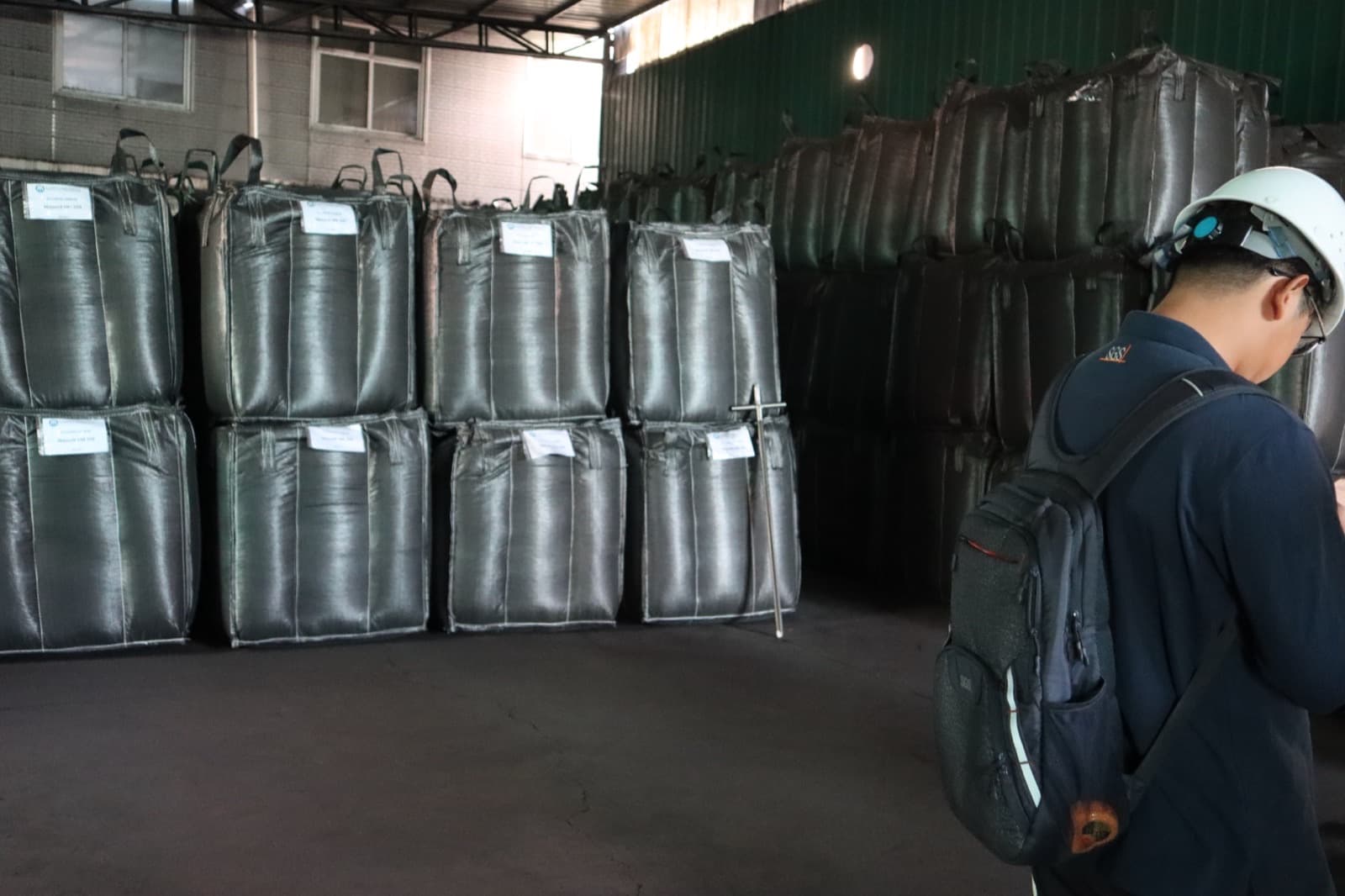
The critical differentiator for MCDI electrode grade is micropore volume and pore size distribution. The AC must have a high proportion of micropores (< 2 nm) for effective electric double-layer formation, while maintaining enough mesopores (2–50 nm) for electrolyte ion transport. This is why coconut shell carbon — with its naturally micropore-dominant structure — outperforms coal-based alternatives in electrode applications.
Lithium Extraction Methods: Complete Comparison
How does activated carbon-based extraction compare to traditional methods? Here's a decision framework for technology evaluators:
| Method | Extraction Time | Li+ Recovery Rate | Water Usage | Best For |
|---|---|---|---|---|
| Solar Evaporation | 12–18 months | 40–60% | Very high | High-concentration salars (Chile, Argentina) |
| Hard Rock Mining | Days (post-mining) | 70–85% | High | Spodumene deposits (Australia) |
| MCDI with AC Electrodes | Hours | 60–80% | Minimal | Brines, geothermal water, seawater |
| DLE (Direct Lithium Extraction) | Hours | 80–95% | Low | All brine types (premium cost) |
| PFAS-GAC Recovery | Byproduct (months) | TBD (pilot stage) | None (existing process) | Water treatment facilities with PFAS |
The AC-based MCDI approach's key advantages are speed, low water consumption, and environmental footprint. Unlike solar evaporation (which requires vast land area and 1–2 years), MCDI systems operate in compact facilities with processing times measured in hours. The technology is especially promising for:
- Geothermal lithium extraction — the Salton Sea region in California alone contains an estimated 18 million tons of lithium in geothermal brines
- Oil field produced water — often contains 50–200 ppm lithium, currently treated as waste
- Desalination brine — concentrated brine from seawater desalination contains recoverable lithium
- Recycled battery leachate — lithium-ion battery recycling produces lithium-rich solutions ideal for MCDI recovery
Sourcing Lithium-Grade Activated Carbon
If you're developing lithium extraction systems or researching AC-based electrode materials, here's what to look for when sourcing activated carbon:
1. Specify Raw Material Origin
Coconut shell-based AC consistently outperforms coal-based alternatives for electrode applications due to higher micropore ratios and lower ash content. Request certificates of origin and raw material documentation. Our coconut shell carbon comes from sustainable plantations in Southeast Asia with full traceability.
2. Request Full BET Analysis
Don't rely on iodine number alone — request full BET surface area analysis with pore size distribution (micropore/mesopore ratio). For MCDI electrodes, you want > 70% micropore volume. We provide BET analysis reports with every shipment of electrode-grade carbon.
3. Verify Batch Consistency
Electrode manufacturing demands tight specifications. Lot-to-lot variation in surface area, pore size, or ash content can derail electrode performance. Ask for batch consistency data (minimum 5 consecutive batches) showing standard deviations within acceptable ranges.
4. Start with Sample Testing
Always request 1–5 kg samples for electrode fabrication trials before committing to bulk orders. Test the carbon in your specific electrode formulation and MCDI system configuration. We offer free samples for qualified R&D projects.
🏭 Our Capabilities
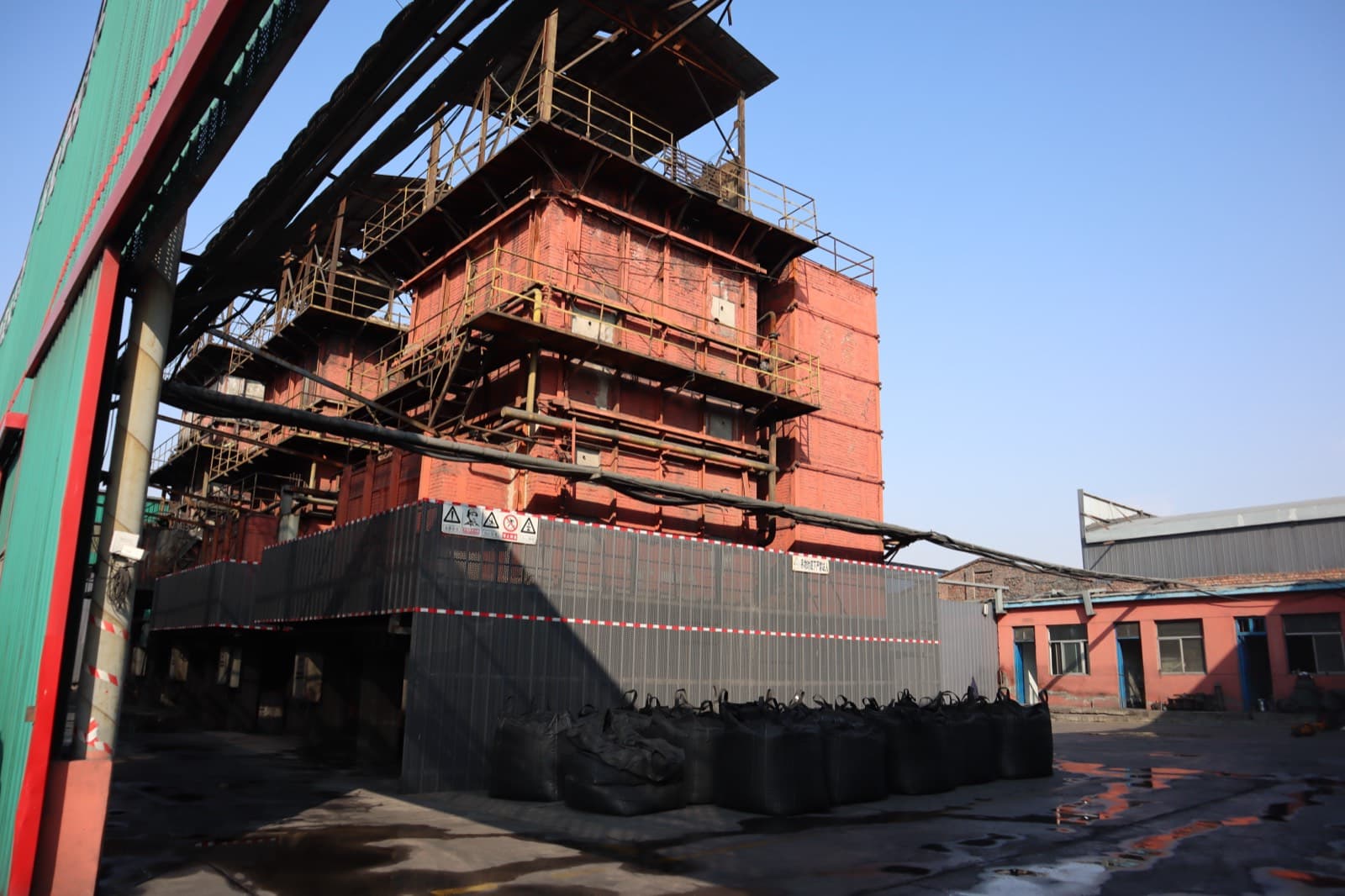
As a manufacturer with 15+ years of experience and 3 production bases, we produce high-surface-area coconut shell activated carbon (BET up to 2,200 m²/g) suitable for electrode applications. Annual capacity: 20,000+ tons. ISO 9001/14001 certified. We've supplied carbon for research institutions and pilot lithium extraction projects across Asia and the Americas.
Economic Analysis: PFAS-Carbon Lithium Extraction
By recovering lithium from spent PFAS-laden GAC, utilities can offset disposal costs and generate revenue. Here's how the economics compare to traditional mining:
| Cost Factor | Hard-Rock Mining | PFAS-Carbon Extraction |
|---|---|---|
| Capital Investment | $500M–$1B | $50M–$100M (modular) |
| Energy Consumption | 15–20 kWh/kg Li₂CO₃ | 5–8 kWh/kg Li₂CO₃ |
| Water Usage | 500,000 gal/ton | 50,000 gal/ton |
| Production Cost | $5,000–8,000/ton | $3,000–5,000/ton (est.) |
| Time to Production | 5–7 years | 1–2 years |
💰 Revenue Scenario (10 MGD plant)
- • Lithium extraction potential: 750–1,250 kg Li/year → 4–6.6 tons Li₂CO₃
- • Revenue at $25,000/ton: $100,000–$165,000/year
- • Avoided PFAS carbon incineration cost: $100,000–$250,000/year
- • Total economic benefit: $200,000–$415,000/year
Implementation Challenges & Solutions
PFAS Regulatory Uncertainty
Issue: EPA MCLs (4 ppt PFOA/PFOS) may require carbon replacement before full lithium extraction potential is reached.
Solution: Design modular carbon beds — rotate partially saturated carbon to lithium extraction while maintaining water quality compliance.
Lithium Concentration Variability
Issue: Brine lithium content varies 100× between sources (0.17 ppm seawater vs 400 ppm geothermal).
Solution: Prioritize high-concentration sources (oilfield, geothermal) for initial deployments. Multi-stage extraction for low-concentration feeds.
Carbon Regeneration Limits
Issue: AC degrades after 10–15 lithium extraction cycles, reducing capacity by 30–40%.
Solution: Steam reactivation at 800°C can extend lifespan to 20–30 cycles. Our R&D team is validating this protocol.
Competing Ion Interference
Issue: High Na⁺ (10,000–50,000 ppm) and Mg²⁺ (1,000–5,000 ppm) compete with Li⁺ for binding sites.
Solution: Pre-treat brine with nanofiltration to remove 80–90% of competing ions, or use impregnated AC with enhanced lithium selectivity.
Frequently Asked Questions
Can activated carbon extract lithium from water?
Yes, but not through simple adsorption. Activated carbon serves as the porous electrode substrate in Membrane Capacitive Deionization (MCDI) systems. When combined with lithium-selective materials like Prussian blue nanoparticles (forming AC/PB composites), these electrodes can selectively capture Li+ ions from brine, geothermal water, and even PFAS-contaminated water treatment streams. The activated carbon provides the high surface area and electrical conductivity needed for the electrochemical process.
What type of activated carbon is used for lithium extraction?
High-surface-area coconut shell activated carbon (BET 1,200–2,000 m²/g) with high micropore volume is preferred for MCDI lithium extraction electrodes. The carbon must have low ash content (< 5%), high electrical conductivity, and good mechanical stability for electrode fabrication. Steam-activated coconut shell carbon outperforms coal-based alternatives due to its superior micropore structure and lower impurity levels. The carbon is typically ground to fine powder and mixed with binders to form electrode sheets.
How does the PFAS-to-lithium recovery process work?
Researchers at Rice University discovered that granular activated carbon (GAC) used to remove PFAS from drinking water accumulates lithium alongside the forever chemicals. Their process involves: (1) GAC adsorbs PFAS and co-adsorbs lithium from water, (2) the spent GAC undergoes a thermal treatment that destroys PFAS, (3) lithium is recovered from the ash residue. This turns a waste disposal problem into a resource recovery opportunity — the lithium recovered can partially offset GAC replacement costs in water treatment facilities.
What is the market potential for lithium extraction using activated carbon?
The global lithium market is projected to reach $22+ billion by 2030, driven by EV battery demand. Current lithium extraction from hard rock mining and evaporation ponds is slow, expensive, and environmentally damaging. MCDI-based extraction using activated carbon electrodes offers a faster, more sustainable alternative for low-concentration lithium sources (brine, geothermal, seawater). While still emerging, several pilot projects are underway. The technology is especially promising for regions with lithium-rich brines like Chile, Argentina, and the US (Salton Sea).
How much activated carbon is needed for lithium extraction?
For MCDI systems, typical electrode loading is 5–15 mg/cm² of activated carbon composite. A commercial-scale MCDI unit processing 1,000 m³/day of lithium brine might use 500–2,000 kg of AC/PB composite electrode material, of which 40–60% is activated carbon by weight. Electrodes typically last 2–5 years before replacement, depending on brine chemistry and operating conditions. For the PFAS-lithium recovery route, existing GAC usage in water treatment (typically 0.5–2 kg GAC per 1,000 gallons) generates lithium as a valuable byproduct without additional carbon consumption.
Related Articles
Need Lithium-Grade Activated Carbon?
Whether you're developing MCDI electrodes, running a lithium extraction pilot, or need high-surface-area carbon for research — we supply electrode-grade coconut shell AC with BET up to 2,200 m²/g. Free samples for qualified projects.
Request Lithium-Grade AC Samples →