
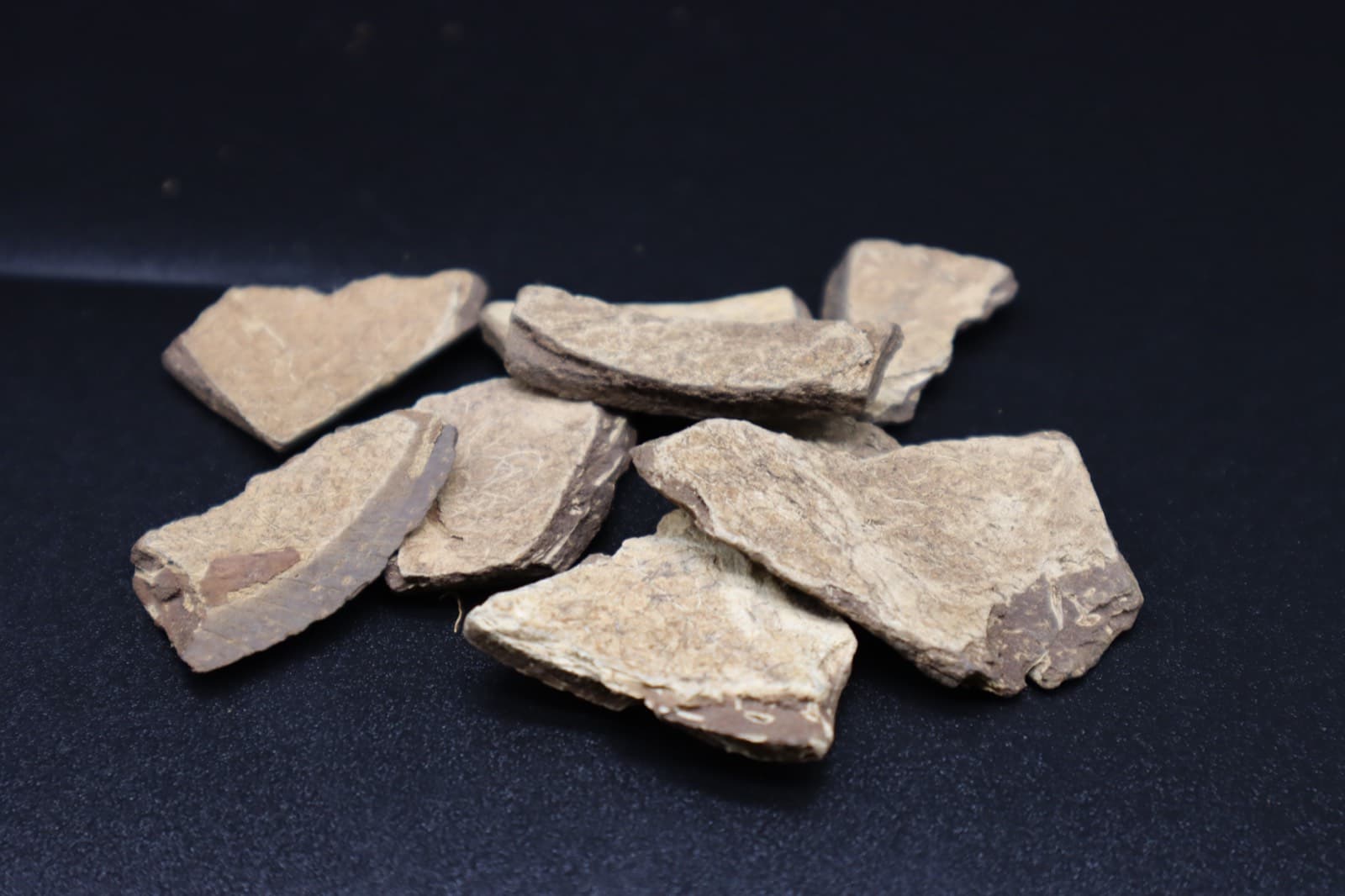
If you're comparing Norit vs coconut shell activated carbon, you're really asking a deeper question: should I buy a premium European coal-based brand, or switch to coconut shell carbon that often tests higher on key specs at half the price? We manufacture both coconut shell activated carbon and coal-based activated carbon, so we have production data on both sides of this comparison.
Norit GAC 830 and GAC 1240 are among the most specified coal-based carbons in European and North American water treatment. But "specified" doesn't always mean "optimal." Many of those specs were written decades ago when coconut shell carbon wasn't widely available at industrial scale. The market has changed. Let's look at the numbers.
Two Different Raw Materials, Two Different Pore Structures
The performance gap between Norit and coconut shell carbon traces back to raw material chemistry. Norit uses bituminous coal and lignite. Coconut shell carbon starts from carbonized coconut husks. The raw material determines the pore structure, and pore structure determines what each carbon does well.
Norit (Coal-Based): Broad Pore Distribution
Coal-based carbons develop a mix of micropores (<2 nm), mesopores (2–50 nm), and macropores (>50 nm). This broad distribution makes them effective for adsorbing larger organic molecules — dyes, industrial solvents, humic acids. Norit's activation process optimizes for this mixed-pore profile.
Coconut Shell: Micropore Dominant
Coconut shell carbon is 85–90% microporous. That dense micropore network gives it superior surface area per gram and higher iodine numbers. For small-molecule adsorption — chlorine, THMs, taste and odor compounds — microporosity is what matters. That's why coconut shell carbon dominates drinking water treatment globally.
A 2019 study published in the Journal of Environmental Chemical Engineering confirmed that coconut shell activated carbon outperformed coal-based carbons for chloroform and trichloroethylene removal, primarily due to its higher micropore volume (0.45 cm³/g vs 0.28 cm³/g for bituminous coal carbon). This aligns with what we see in our own QC data across production batches.
Norit vs Coconut Shell: Full Specification Table
Norit has manufactured activated carbon since 1918. Cabot Corporation acquired them in 2012 for $1.1 billion. Their two flagship granular carbons — GAC 830 (8×30 mesh) and GAC 1240 (12×40 mesh) — target municipal and industrial water treatment. Here's how their published specs compare against our coconut shell production data from the past 12 months:
| Parameter | Norit GAC 830 | Norit GAC 1240 | Coconut 8×30 | Coconut 12×40 |
|---|---|---|---|---|
| Raw Material | Bituminous coal | Bituminous coal | Coconut shell | Coconut shell |
| Iodine Number | ≥800 mg/g | ≥1,000 mg/g | ≥1,050 mg/g | ≥1,100 mg/g |
| BET Surface Area | 900–1,000 m²/g | 1,000–1,100 m²/g | 1,050–1,150 m²/g | 1,100–1,200 m²/g |
| Ash Content | ≤15% | ≤12% | ≤5% | ≤3% |
| Moisture | ≤5% | ≤5% | ≤5% | ≤5% |
| Hardness | ≥85% | ≥90% | ≥95% | ≥97% |
| Apparent Density | 480–520 kg/m³ | 460–500 kg/m³ | 500–540 kg/m³ | 480–520 kg/m³ |
Three numbers stand out. First, iodine number: coconut shell delivers 1,050–1,100+ mg/g compared to Norit's 800–1,000 mg/g. Second, ash content: 3–5% vs 12–15% — a structural limitation of coal feedstock that no activation process can overcome. Third, hardness: 95–97% vs 85–90%. Coconut shell carbon is harder, purer, and more microporous per gram.
Head-to-Head: Norit GAC 1240 vs Coconut Shell 12×40
Let's compare the most popular grades side by side. This is the matchup that matters for most water treatment buyers — 12×40 mesh is the standard for fixed-bed adsorption columns in municipal and commercial systems.
12×40 Mesh Comparison — Norit vs Coconut Shell
| Property | Norit GAC 1240 | Coconut Shell 12×40 | Winner |
|---|---|---|---|
| Iodine Number | ≥1,000 mg/g | ≥1,100 mg/g | Coconut shell |
| Ash Content | ≤12% | ≤3% | Coconut shell |
| Hardness | ≥90% | ≥97% | Coconut shell |
| Mesopore Volume | Higher | Lower | Norit |
| Price (FOB) | $2,500–4,000/ton | $1,450–2,600/ton | Coconut shell |
| Reactivation Cycles | 3–5 cycles | 4–6 cycles | Coconut shell |
Coconut shell wins on 5 of 6 measurable parameters. Norit's only structural advantage is mesopore volume — which matters for specific industrial applications but not for the majority of water treatment use cases.
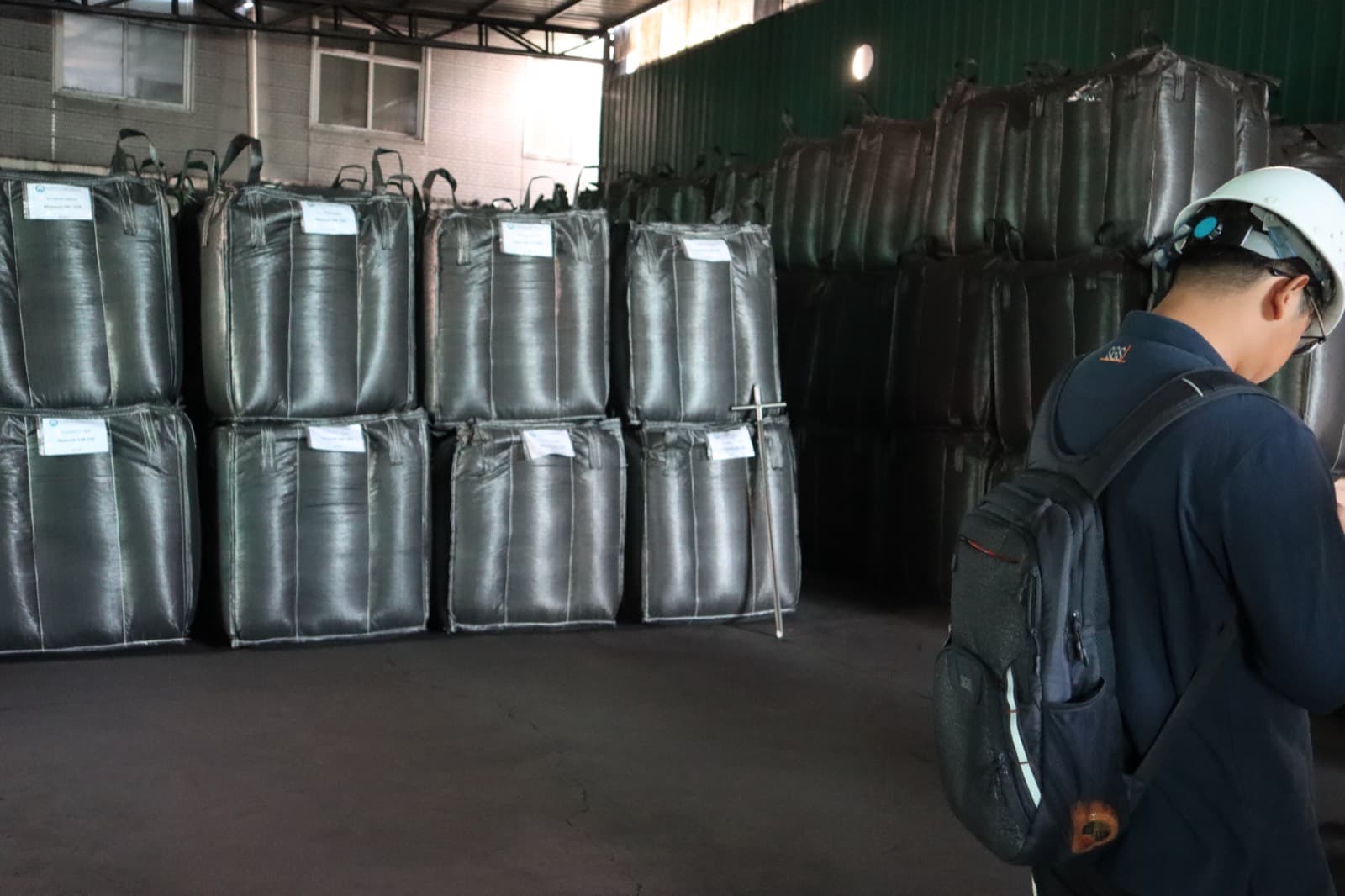
QC lab testing — every batch verified for iodine number, ash content, hardness, and moisture before shipment
When Norit (Coal-Based) Is the Right Choice
We sell coconut shell carbon, but we're not going to pretend it's the right answer for everything. Coal-based carbons like Norit have genuine technical advantages in specific applications:
Industrial Wastewater with Large Molecules
If you're treating effluent containing dyes, phenols, or industrial solvents with molecular weights above 300 Da, Norit's mesopore-rich structure adsorbs these compounds more effectively. Coconut shell's tight micropore network can't physically accommodate larger molecules.
Flue Gas & Mercury Removal
Norit offers impregnated coal-based carbons (like Darco Hg series) specifically designed for mercury capture in coal-fired power plants. There is no equivalent coconut shell product for this application. If your primary use is air-phase mercury removal, coal-based is the only option.
Regulatory Lock-In
Some municipal water systems in Europe and North America have Norit written into their operating permits. Switching requires pilot testing, regulatory re-approval, and sometimes public comment periods. For facilities where the compliance burden of switching outweighs the cost savings, staying with Norit is pragmatic.
When Coconut Shell Carbon Is the Better Buy
For the majority of activated carbon applications, coconut shell delivers equal or better performance at significantly lower cost. Here's where it clearly wins:
Drinking Water Treatment
Chlorine removal, taste and odor control, THM reduction. These are all small-molecule targets where micropore volume is the deciding factor. Coconut shell carbon with iodine ≥1,050 mg/g handles these applications as well as or better than Norit GAC 1240 — at 40–60% less cost.
Gold Recovery (CIP/CIL)
The gold mining industry overwhelmingly uses coconut shell carbon for carbon-in-pulp and carbon-in-leach processes. High hardness (≥95%) minimizes attrition losses in abrasive slurry environments, and the high activity ensures efficient gold adsorption. Norit doesn't compete in this segment.
Food & Pharmaceutical Processing
Low ash content (2–5% vs 12–15%) means less mineral leaching into your product stream. For sugar decolorization, edible oil refining, and pharmaceutical purification, coconut shell is the industry standard precisely because of its purity.
Point-of-Use Filters & Aquariums
Home water filters, under-sink systems, and aquarium filtration all use coconut shell carbon exclusively. The low ash means less pH spike during initial rinse, and the high hardness reduces fines generation — critical for consumer products where dusty carbon is a deal-breaker.
Price Comparison: What You Actually Pay
Norit products are sold through Cabot's distributor network, which adds margin at each step. Coconut shell carbon from Chinese manufacturers is available factory-direct. Here's what the price gap looks like for a 20-ton order:
| Grade (12×40) | Norit GAC 1240 | Coconut Shell (China FOB) |
|---|---|---|
| Standard (Iodine ≥1,000) | $2,800–3,500/ton | $1,450–1,950/ton |
| High Activity (Iodine ≥1,100) | $3,500–4,500/ton | $2,200–2,600/ton |
| Gold Recovery Grade | N/A | $3,200–3,800/ton |
| 20-Ton Order Total | $56,000–70,000 | $29,000–39,000 |
| Savings per Container | — | $27,000–31,000 |
Even after ocean freight ($80–150/ton), import duties, and quality testing, coconut shell lands at roughly half the price of Norit. That's $30,000+ saved per container — enough to fund independent lab testing every batch and still come out ahead.
Application Decision Matrix
Use this matrix to match your application to the right carbon type. This is based on our production data and feedback from buyers across 50+ countries:
| Application | Recommended | Why |
|---|---|---|
| Municipal drinking water | Coconut shell | Higher iodine, lower ash, better taste/odor removal |
| Industrial wastewater | Norit (coal) | Mesopore volume handles large organic molecules |
| Gold recovery (CIP/CIL) | Coconut shell | Superior hardness (≥95%) resists attrition in slurry |
| Food & pharma purification | Coconut shell | Ash ≤5% means minimal mineral leaching |
| Mercury removal (flue gas) | Norit (coal) | Impregnated coal-based PAC; no coconut equivalent |
| Solvent recovery | Norit (coal) | Broader pore distribution suits large VOC molecules |
| Aquarium, home filters & dechlorination | Coconut shell | Low ash = less pH spike; micropore-dominant with longer service life |
Coconut shell wins for water treatment, food/pharma, and gold mining. Norit wins for heavy industrial applications with large-molecule targets and flue gas treatment.
The Bottom Line
Norit earned its reputation over a century of manufacturing. That reputation is deserved for coal-based applications where mesopore volume and brand trust matter. But for the 70%+ of the activated carbon market that depends on microporosity — water treatment, gold recovery, food processing — coconut shell carbon delivers objectively better specs at half the price.
The decision framework is straightforward: match your target contaminant's molecular size to the right pore structure. Small molecules need micropores (coconut shell). Large molecules need mesopores (coal-based). At our factory, we produce both types and test every batch per ASTM standards — we'll tell you honestly which one fits your application.
Frequently Asked Questions
Is Norit activated carbon coal-based or coconut shell?
Norit is primarily a coal-based activated carbon brand. Their GAC product line uses bituminous coal and lignite as raw materials. Norit (now part of Cabot Corporation) manufactures coal-based GAC and PAC at facilities in the Netherlands, US, and Italy. They do not produce coconut shell carbon — that is a different raw material category with distinct pore structure and performance characteristics.
Which has a higher iodine number — Norit or coconut shell carbon?
Coconut shell activated carbon typically has a higher iodine number. Quality coconut shell GAC ranges from 1,000–1,200 mg/g, while Norit GAC 830 specifies a minimum of 800 mg/g and GAC 1240 targets around 1,000 mg/g. However, iodine number alone does not determine which carbon is 'better' — it measures microporosity, which matters most for small-molecule adsorption like drinking water treatment. For larger molecules (industrial solvents, dyes), Norit's broader pore distribution may outperform coconut shell.
Is coconut shell activated carbon cheaper than Norit?
Standard coconut shell GAC from Chinese manufacturers costs $1,450–1,950/ton FOB for water treatment grade depending on iodine number and mesh size. Norit products, distributed through Cabot's global network, typically cost $2,500–5,000/ton delivered. Even after accounting for shipping and import costs, coconut shell carbon from China is usually 30–50% cheaper. Premium grades (gold recovery, food-grade) range $2,900–4,500/ton FOB.
Can coconut shell activated carbon replace Norit in water treatment?
Yes, for most municipal and industrial water treatment applications. Coconut shell GAC with iodine ≥1,050 mg/g matches or exceeds Norit GAC 1240 performance for taste, odor, and chlorine removal. Many water utilities in Southeast Asia, the Middle East, and Africa have switched from Norit to coconut shell carbon without performance issues. The key is matching the mesh size (typically 8×30 or 12×40) and verifying the iodine number per ASTM D4607.
When should I choose Norit over coconut shell carbon?
Choose Norit (coal-based) when your application involves heavy organic loading, industrial wastewater with large molecular compounds, or solvent recovery where mesopore volume matters more than microporosity. Norit also has advantages in flue gas treatment (mercury removal), where their impregnated coal-based products have no coconut shell equivalent. If your facility already has Norit specified in regulatory permits, switching requires re-qualification — which may not justify the cost savings for small volumes.
What is the difference in ash content between Norit and coconut shell?
Coconut shell activated carbon has significantly lower ash content — typically 2–5% compared to 8–15% for Norit's coal-based products. Lower ash means fewer dissolved minerals leaching into treated water, which matters for food-grade, pharmaceutical, and high-purity water applications. This is one area where coconut shell carbon has a clear technical advantage over any coal-based product, including Norit.
Need Help Choosing Between Norit and Coconut Shell?
Tell us your application, flow rate, and target contaminants. We'll send spec sheets for both carbon types with factory-direct pricing within 24 hours.
Ready to Source Activated Carbon?
Get competitive FOB pricing from our factory. Full certifications (NSF-61, ISO 9001, Halal, Kosher). Samples available.