Haycarb PLC, headquartered in Colombo, Sri Lanka, is one of the world's largest manufacturers of coconut shell activated carbon. They operate across four countries and supply water treatment plants, gold mining operations, and industrial air purification systems globally. Their quality reputation is well earned.
But reputation comes with a price tag. Procurement teams searching for a Haycarb alternative typically cite three frustrations: premium pricing that strains project budgets, rigid MOQ requirements from their distributor network, and lead times that don't match urgent project timelines.
Chinese coconut shell carbon manufacturers have closed the quality gap over the past decade. Based on our production data from supplying buyers in 50+ countries, we'll break down exactly where Chinese factory-direct carbon matches Haycarb — and where the real differences lie.
Need activated carbon?
Get Factory-Direct Pricing — No Middlemen
20+ years manufacturing. MOQ 1 ton. Free samples. Reply within 2 hours.
Who Is Haycarb and Why Do Buyers Choose Them?
Haycarb is a subsidiary of Hayleys PLC, Sri Lanka's largest diversified conglomerate. Listed on the Colombo Stock Exchange, they reported revenue exceeding $150 million in their activated carbon division. Their main product lines cover water purification (RWAP series), gold recovery (GoldSorb), air purification, and food-grade decolorization.
Buyers choose Haycarb for three reasons: consistent quality backed by decades of track record, NSF/ANSI 61 and AWWA certifications across their product range, and a global sales network with local technical support in key markets.
These are genuine advantages. The question isn't whether Haycarb makes good carbon — they do. The question is whether those advantages justify a 20–40% price premium over equally certified Chinese alternatives.
The Case for Factory-Direct Chinese Coconut Shell Carbon
China produces roughly 30% of the world's activated carbon, according to data from Grand View Research. Within the coconut shell segment, Chinese manufacturers source raw shell from the Philippines, Indonesia, and Vietnam — the same tropical regions that supply Haycarb's Sri Lankan operations.
The raw material is identical: coconut shell charcoal carbonized at 500–600°C, then steam-activated at 800–1000°C. What determines final product quality is kiln technology, activation parameters, and quality control protocols — not geographic origin.
Why Factory-Direct Pricing Is Lower
No Distributor Markup
Haycarb sells through regional distributors who add 15–25% margin. Buying factory-direct eliminates this layer entirely.
Competitive Manufacturing Base
Over 200 activated carbon producers in China's Ningxia, Shanxi, and Fujian provinces drive continuous efficiency improvements and competitive pricing.
Integrated Supply Chain
Chinese factories often handle carbonization, activation, washing, screening, and packaging in a single facility — reducing logistics cost between processing stages.
Spec-by-Spec: Haycarb vs Chinese Coconut Shell GAC
Talk is cheap. Let's compare actual specifications. The table below shows typical Haycarb grades alongside equivalent Chinese factory-direct products. Data is based on published Haycarb datasheets and our own production lab reports tested by SGS.
| Parameter | Haycarb (Typical) | Chinese Factory-Direct |
|---|---|---|
| Iodine Number | 1000–1200 mg/g | 1000–1300 mg/g |
| Hardness (Ball-Pan) | 97%+ | 95–98% |
| Ash Content | ≤ 5% | ≤ 5% (acid-washed: ≤ 3%) |
| Moisture | ≤ 5% | ≤ 5% |
| Available Mesh Sizes | 4x8, 6x12, 8x30, 12x40 | 4x8, 6x12, 8x30, 12x40, 20x50 |
| NSF/ANSI 61 | Yes | Available (factory-dependent) |
| AWWA B604 | Yes | Available (factory-dependent) |
The numbers tell a clear story: when manufactured to proper standards, Chinese coconut shell GAC meets or exceeds Haycarb specifications on every key parameter. The iodine number range is actually wider on the Chinese side because factories can customize activation levels to your exact requirements.
Real-World Price Comparison
Pricing varies by grade, volume, and market conditions. The ranges below reflect FOB pricing as of Q1 2026, based on our factory quotes and publicly available Haycarb distributor pricing in major markets.
| Grade / Mesh | Haycarb (FOB) | Chinese Factory-Direct (FOB) | Savings |
|---|---|---|---|
| 8x30 (Water Treatment) | $1,400–1,700/MT | $950–1,200/MT | 25–35% |
| 12x40 (Water Treatment) | $1,500–1,800/MT | $1,000–1,300/MT | 25–33% |
| 6x12 (Gold Recovery) | $1,600–2,000/MT | $1,100–1,500/MT | 25–31% |
| 4x8 (Gold Recovery) | $1,800–2,200/MT | $1,200–1,600/MT | 27–33% |
For a water treatment plant consuming 40 MT per year, switching from Haycarb to a qualified Chinese supplier saves $16,000–24,000 annually. For gold mining operations running through 200+ MT, the savings reach six figures.
Application-Specific Performance
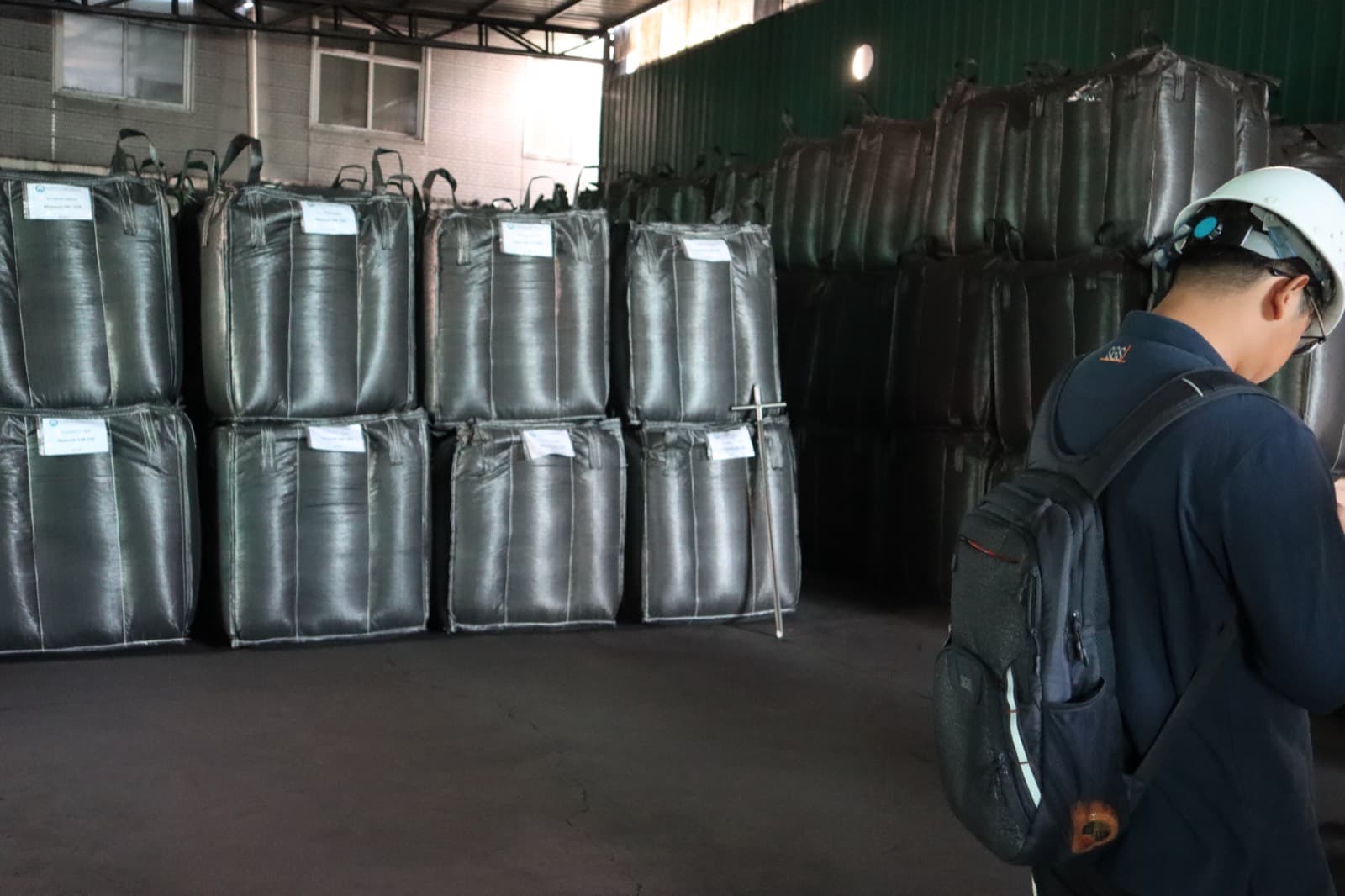
Different applications stress different carbon properties. Here's how Chinese alternatives perform against Haycarb in the three largest coconut shell GAC applications.
Municipal & Industrial Water Treatment
Haycarb's RWAP series is their flagship water treatment product. The critical specs are iodine number (≥1050 mg/g), low ash (≤5%), and NSF/ANSI 61 certification. Chinese manufacturers routinely hit these targets. At our factory, we produce 8x30 and 12x40 water-grade GAC with iodine numbers of 1050–1200 mg/g and acid-washed ash content below 3%.
The performance gap is negligible. A 2019 study published in the Journal of Water Process Engineering (Vol. 32) found no statistically significant difference in TOC removal between coconut shell carbons from different geographic origins when activated to equivalent BET surface areas.
Gold Recovery (CIP/CIL)
Haycarb's GoldSorb line targets CIP (carbon-in-pulp) and CIL (carbon-in-leach) gold extraction. Critical properties here are hardness (≥97%), gold adsorption activity, and abrasion resistance. This is where Haycarb's reputation is strongest — their GoldSorb has decades of proven performance in African and Australian mines.
Chinese alternatives for gold recovery need careful vetting. We recommend requesting a gold loading test (minimum 20 mg Au/g carbon) and a 72-hour attrition test before committing to a new supplier. At our facility, our coconut shell GAC for gold recovery achieves 97%+ hardness and gold loading capacity of 25–30 mg/g, validated by independent testing.
How to Qualify a Chinese Haycarb Alternative
Switching suppliers requires due diligence. From our experience shipping to buyers in 50+ countries, here's the qualification process that works.
Request a Datasheet Match
Send the supplier your current Haycarb product datasheet. Ask them to provide their equivalent grade with a Certificate of Analysis (COA) showing test results under ASTM D4607 (iodine number), ASTM D3802 (ball-pan hardness), and ASTM D2866 (ash content).
Order a 25–50 kg Sample
Test the sample in your application or send it to an independent lab. Compare results against your existing Haycarb performance data. Most Chinese factories ship samples within 3–5 business days via air freight.
Verify Certifications
Confirm NSF/ANSI 61, ISO 9001, and any application-specific certifications directly with the issuing bodies. Don't rely solely on PDF certificates — cross-reference with our certification verification guide.
Run a Trial Order (1–5 MT)
Place a small production order to evaluate real-world consistency, packaging quality, and logistics reliability before committing to a long-term contract.
Negotiate Annual Pricing
Once quality is validated, lock in annual volume pricing. Most Chinese factories offer 5–10% discounts on annual contracts of 50+ MT. Check our bulk ordering guide for negotiation tips.
Where Haycarb Still Has an Edge
Being fair means acknowledging strengths. Haycarb holds genuine advantages in a few areas that matter for certain buyers.
Brand Trust in Regulated Industries
Some municipal water authorities have Haycarb pre-approved in their specifications. Switching requires a formal qualification process that can take 6–12 months.
Local Technical Support
Haycarb maintains regional offices with application engineers in key markets. Chinese factories typically offer remote technical support, which may not suit buyers who need on-site assistance.
Track Record in Gold Mining
GoldSorb has decades of proven performance in major mining operations. For mines already using GoldSorb with optimized circuits, switching carbon carries operational risk that requires careful evaluation.
If any of these factors are critical for your operation, Haycarb may still be the right choice. For buyers where price, flexibility, and equivalent technical specs drive the decision, Chinese factory-direct carbon delivers clear advantages.
MOQ and Lead Time Comparison
| Factor | Haycarb | Chinese Factory-Direct |
|---|---|---|
| Minimum Order | Often 10–20 MT (distributor dependent) | 1–5 MT (some accept 500 kg trials) |
| Sample Availability | Through distributors, 1–2 weeks | Direct from factory, 3–5 days |
| Production Lead Time | 2–4 weeks | 7–15 days |
| Custom Specifications | Limited flexibility | Highly customizable (mesh, iodine, packaging) |
| Payment Terms | Net 30–60 (established accounts) | T/T, L/C, flexible for repeat buyers |
The flexibility difference is significant for mid-size operations. A water treatment plant testing a new carbon grade doesn't want to commit to 20 MT before validation. Chinese factories let you start small and scale up.
Decision Framework: Should You Switch from Haycarb?
Not every buyer should switch. Use this framework to evaluate whether a Chinese alternative makes sense for your situation.
Switch to Chinese Factory-Direct If:
- ✓Price is a primary decision factor and you buy 20+ MT annually
- ✓You need flexible MOQs or custom specifications
- ✓Your application specs don't mandate a specific brand
- ✓You have the capacity to validate a new supplier (lab testing, trial orders)
- ✓Faster lead times and direct factory communication are valuable
Stay with Haycarb if your project spec names them specifically, you need local on-site support, regulatory pre-approval would be costly to redo, or your annual volume is too small for the savings to justify qualification effort.
How Hojee Compares as a Haycarb Alternative
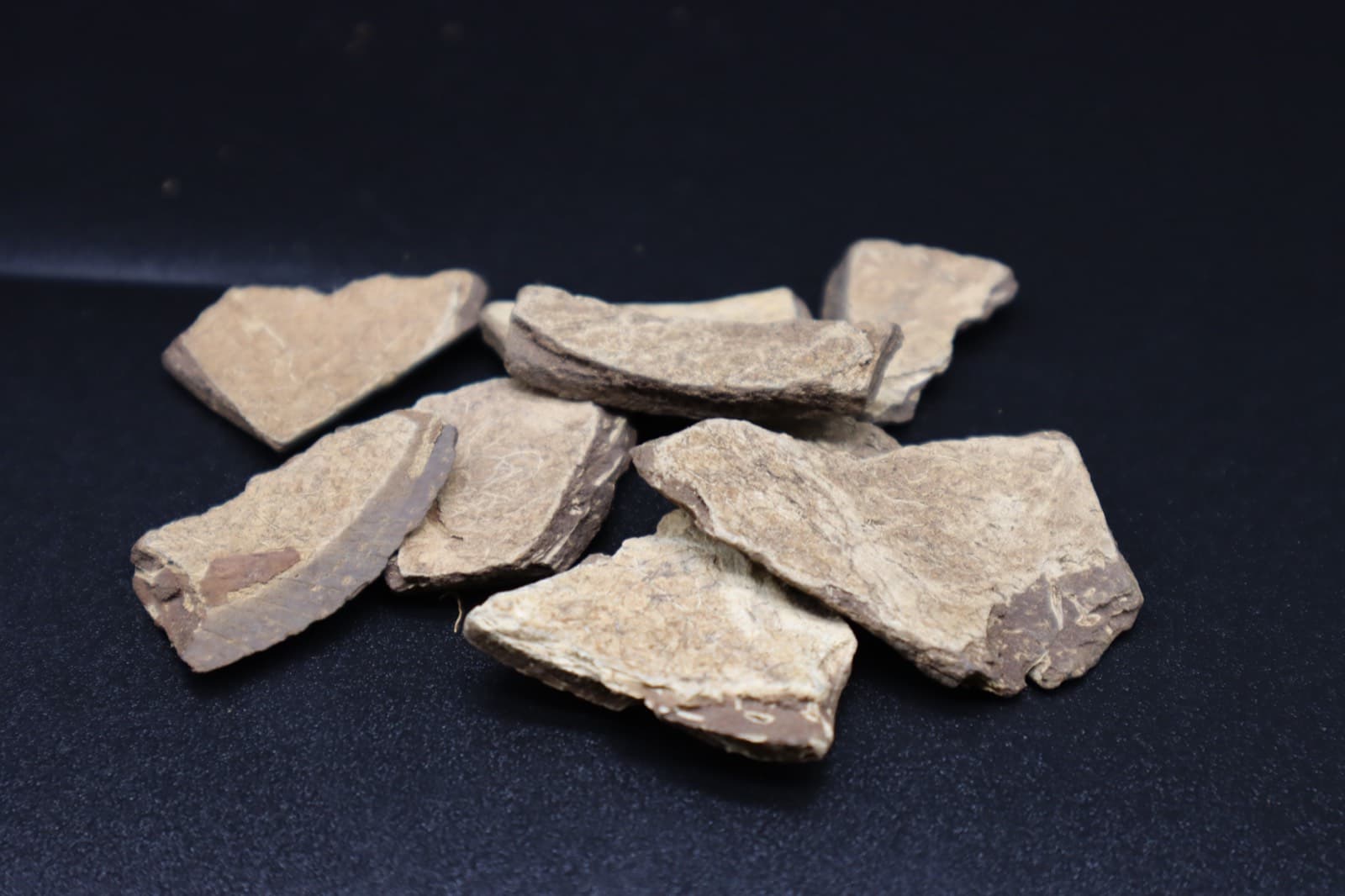
At our factory, we produce coconut shell activated carbon across all standard mesh sizes (4x8, 6x12, 8x30, 12x40, 20x50) with iodine numbers from 900 to 1300 mg/g. We've supplied Haycarb replacement orders for water utilities in North America, gold mines in Africa, and food processing plants in Europe.
What We Offer
- ✓Full COA with every shipment — ASTM-standard testing for iodine, hardness, ash, moisture, and particle size
- ✓NSF/ANSI 61 certified products for drinking water applications
- ✓MOQ as low as 1 MT — with free 25 kg samples for qualified buyers
- ✓Custom specification matching — send us your Haycarb datasheet and we'll produce an equivalent
- ✓ISO 9001 certified manufacturing with SGS-verified quality control
Browse our full coconut shell activated carbon product range or read our guide to choosing a reliable activated carbon supplier for a broader perspective on evaluating Chinese manufacturers.
Frequently Asked Questions
Is Chinese coconut shell activated carbon the same quality as Haycarb?
Quality depends on raw materials and manufacturing standards, not country of origin. Chinese manufacturers sourcing premium coconut shell from Southeast Asia and operating modern steam-activation kilns produce carbon matching Haycarb specifications on iodine number, hardness, and ash content. The key is verifying quality through independent lab testing — request a COA with ASTM test results before placing a bulk order.
Why is Chinese coconut shell carbon cheaper than Haycarb?
Three factors drive the price gap: lower labor costs in Chinese manufacturing regions, fierce competition among 200+ activated carbon producers driving efficiency, and integrated supply chains reducing overhead. Haycarb carries premium brand pricing and higher distribution costs. The carbon itself, when produced to the same spec, performs identically in adsorption tests.
What is the minimum order quantity for factory-direct coconut shell carbon from China?
Most Chinese factories accept MOQs of 1–5 metric tons for standard coconut shell GAC grades (4x8, 8x30, 12x40). Haycarb typically requires larger commitments through their distributor network. For trial orders, some Chinese suppliers offer 500 kg sample shipments so buyers can validate quality before committing to full container loads (18–20 MT per 20ft container).
How long does shipping take from Chinese carbon factories?
Production lead time is typically 7–15 days for standard coconut shell grades. Ocean freight from major Chinese ports (Shanghai, Ningbo, Tianjin) to North America takes 18–25 days, to Europe 20–30 days, and to Southeast Asia 5–10 days. Total door-to-door delivery is usually 4–6 weeks. Haycarb ships from Sri Lanka, which can have similar or longer transit times depending on your destination.
What certifications should I look for in a Haycarb alternative supplier?
At minimum, require ISO 9001 (quality management), NSF/ANSI 61 certification for drinking water applications, and AWWA B604 compliance for granular activated carbon. Halal and Kosher certifications matter for food and beverage applications. Ask for third-party lab reports from SGS, Intertek, or Bureau Veritas to verify iodine number, moisture, ash, and hardness independently.
Can Chinese factories match specific Haycarb product grades?
Yes. Experienced Chinese manufacturers routinely produce carbon to match competitor specifications. Provide the Haycarb product datasheet (e.g., RWAP series, GoldSorb) and the factory can formulate an equivalent. Order a 25–50 kg sample first, test it in your application, then scale to bulk orders once performance is confirmed.
Ready to Compare? Get a Free Sample & Quote
Send us your current Haycarb product datasheet. We'll match the specs, ship a free 25 kg sample, and provide factory-direct pricing within 24 hours.
Request a Sample & Quote